The European Union's climate monitoring service, Copernicus, announced on Thursday that August 2026 was the hottest single month ever recorded worldwide. The finding extends a troubling streak of temperature records and adds urgency to debates over climate adaptation across the continent.
According to Copernicus data, global average temperatures for August surpassed all previous monthly records since instrumental measurements began. The agency also confirmed that the summer season—meteorological summer spanning June through August—was the warmest ever measured for western Europe, a region stretching from the Iberian Peninsula to the British Isles and into parts of France and the Benelux countries.
Western Europe bears the brunt
Countries such as Spain, Portugal, and France experienced prolonged heatwaves that pushed local records. In Spain, the summer of 2026 was marked by 61 heatwave days, the most on record, as Spain's summer of 2026 became a benchmark for extreme heat. France recorded its hottest summer since 1900, with temperatures consistently above seasonal norms from the Mediterranean coast to the Paris basin.
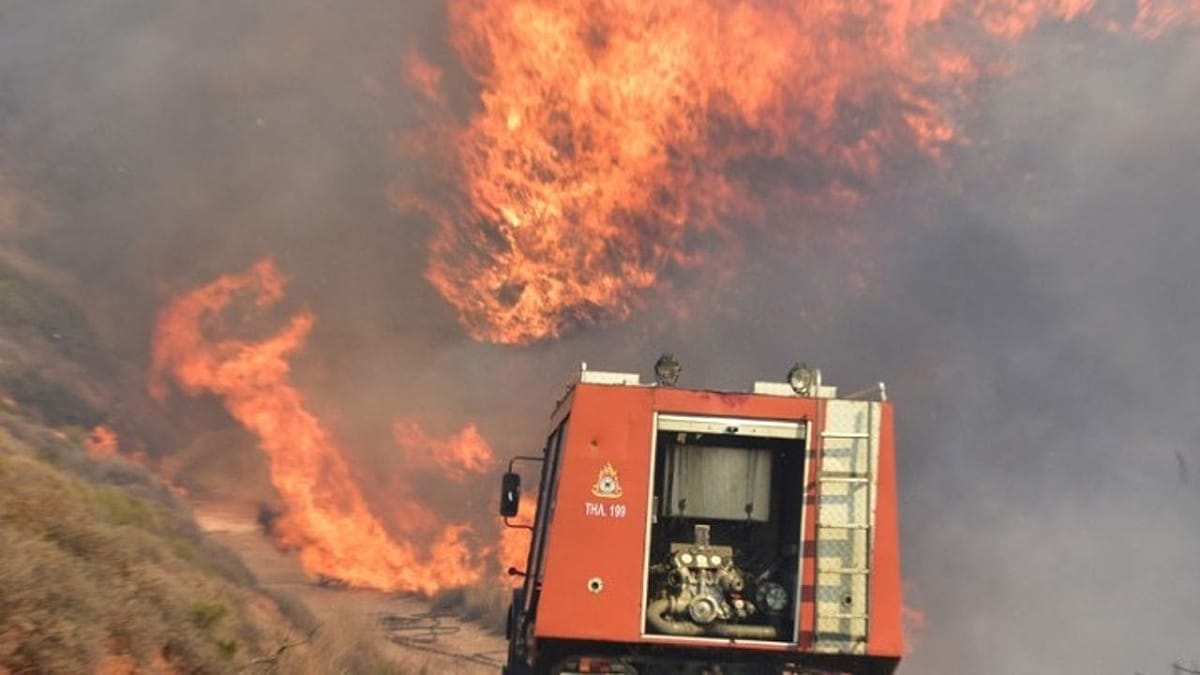
The heat has had tangible consequences. Wildfires in southern Europe, water shortages in agricultural regions, and increased strain on energy grids have all been reported. In Portugal, the heat coincided with a surge in electric vehicle sales, which captured over a third of the market in August, suggesting a shift in consumer behavior amid climate concerns—though the broader economic impact of extreme heat remains a worry.
Policy responses and calls for action
The new data has reignited political debate over the EU's climate strategy. Spain has been particularly vocal, urging the European Commission to make climate resilience a binding and fully funded priority across member states. Spain's push for binding resilience measures reflects a growing sentiment that adaptation is no longer optional.
EU officials have repeatedly framed climate action as a survival strategy rather than a burden. The European Commission's executive vice-president for the Green Deal, Maroš Šefčovič, said in a statement that "the cost of inaction far exceeds the investment needed to protect our citizens and economies." He added that the EU's commitment to carbon neutrality by 2050 must be matched by robust adaptation plans.
However, critics argue that current policies are insufficient. Environmental groups point to the gap between ambitious rhetoric and concrete measures, especially in sectors like agriculture and urban planning. The EU's insistence that climate action is a survival strategy has been met with both support and skepticism, as member states struggle to balance short-term economic pressures with long-term sustainability goals.
Global context and the road ahead
The Copernicus report is part of a broader global pattern. Climate scientists warn that without drastic emissions reductions, such records will become more frequent. The data also underscores the uneven distribution of warming: while western Europe sweltered, other regions experienced different extremes, from floods to droughts.
For European policymakers, the challenge is twofold: mitigate future warming by cutting emissions, and adapt to the changes already locked in. The upcoming EU climate summit in Brussels is expected to focus on financing adaptation measures, particularly for vulnerable regions in southern Europe and the Balkans.
As the continent grapples with the reality of a warming world, the message from Copernicus is clear: the hottest month on record is no longer an anomaly but a harbinger of what lies ahead if decisive action is not taken.