Portugal woke up to yet another fuel price increase on Monday, with diesel hitting an all-time high and petrol reaching levels not seen since the energy crisis triggered by Russia's invasion of Ukraine. The latest rise, part of a steady climb throughout the year, was met with visible anger on the country's roads.
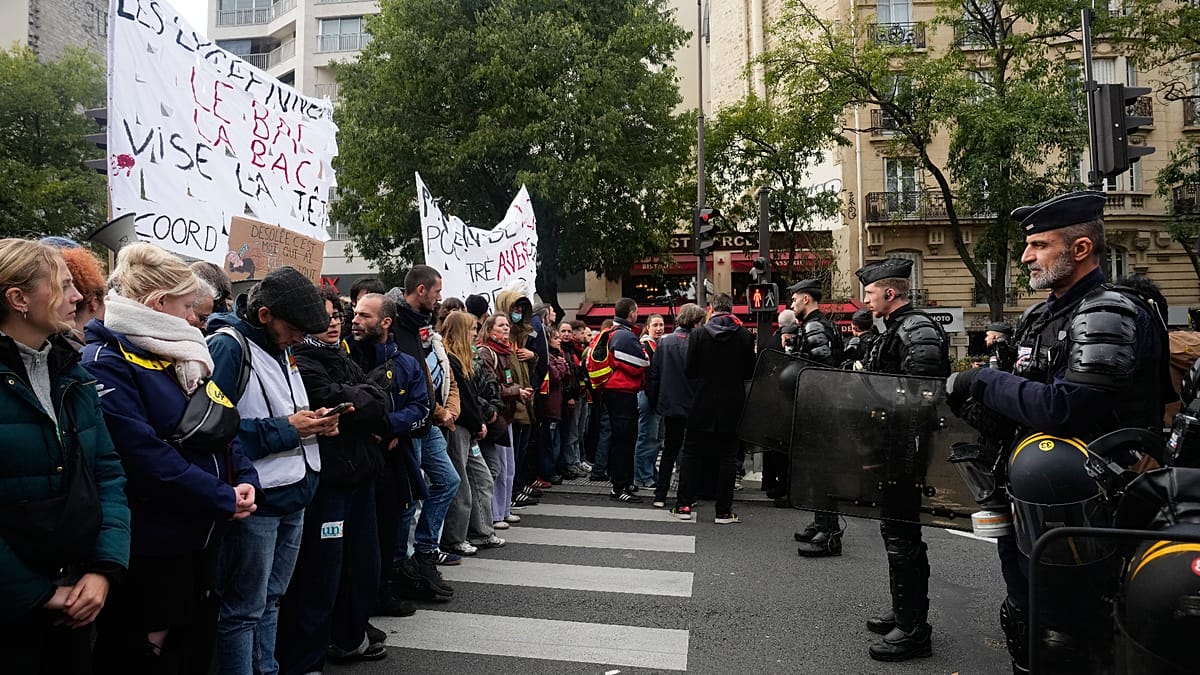
Early morning commuters on the 25 de Abril Bridge, which links Lisbon to Almada across the Tagus, were greeted by a chorus of car horns. Further south, a slow-moving convoy of vehicles, organized via WhatsApp and social media, headed toward Galp's refinery in Sines, in the Setúbal district. The protest had no fixed end time and was still underway after lunch, according to the Lusa news agency.
Social media images showed cars flying Portuguese flags and sounding their horns. Protesters carried placards reading “Enough of fuel price hikes” and “Families can't take any more.” The GNR, Portugal's national guard, estimated that between 60 and 100 vehicles took part in the Sines action.
Record prices at the pump
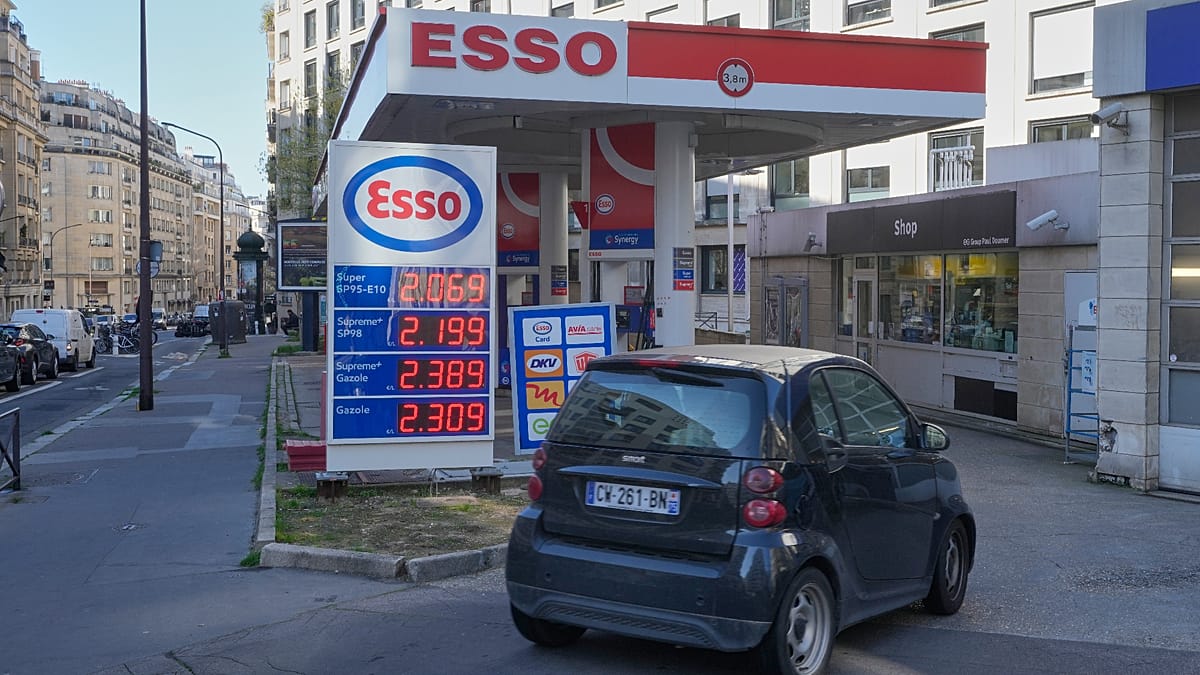
According to forecasts by the Automobile Club of Portugal (ACP), diesel rose by 15 cents on Monday to €2.169 per litre, while petrol increased by 12 cents to €2.142 per litre. These figures already account for an exceptional reduction in the petroleum products tax (ISP) applied by the government, which capped the increases at 12 cents for diesel and 9 cents for petrol.
Dinheiro Vivo calculations show that diesel is now at its highest price ever recorded in Portugal. For petrol, it is the most expensive since the peak of the 2022 energy crisis.
Portugal is among the most expensive countries for fuel in Europe. The fuel-prices website, which tracks prices in 21 European countries, placed Portugal 19th for petrol, with only France and Denmark more expensive. For diesel, Portugal ranks 17th, ahead of the United Kingdom, Italy, France, and Denmark.
The sustained increases have prompted political and public scrutiny. Environment and Energy Minister Maria da Graça Carvalho commissioned a study from the Energy Services Regulatory Authority (ERSE) to investigate whether fuel retailers were profiteering. The study, published in mid-August, found “no evidence of operators taking advantage” and dismissed the “rockets and feathers” phenomenon—where prices rise quickly but fall slowly. “The results therefore do not support the notion that price decreases are passed on persistently more slowly or less fully than increases,” the study concluded.
ERSE attributed the price gap with Spain to taxation, noting that Portugal's tax burden has remained constant, “in line with the majority of countries in the European Union and the euro area.”
Why prices keep climbing
The broader European fuel price surge is linked to the conflict in the Middle East and the blockade of the Strait of Hormuz, which has disrupted trade routes. But experts also point to limits on refining capacity, even when crude oil is available—a factor that particularly affects diesel.
In response, several EU governments are considering an extraordinary tax on oil companies' profits. According to AFP, ministers from Portugal, Germany, Italy, Austria, Poland, and Spain have sent a letter to Ireland's finance minister, asking for the issue to be discussed at the next meeting of EU finance ministers, scheduled for 18 and 19 September in Ireland, which currently holds the rotating presidency of the Council of the EU.
The protests in Portugal come as the country enjoys a brighter economic outlook—Fitch recently upgraded Portugal's credit rating to A+—but the cost of living remains a pressing concern for many families. The government has yet to announce further measures beyond the temporary tax cuts, and the pressure on household budgets is unlikely to ease soon.
For a deeper look at why European fuel prices remain high despite softer crude oil, see our analysis of the factors behind the persistent price gap.