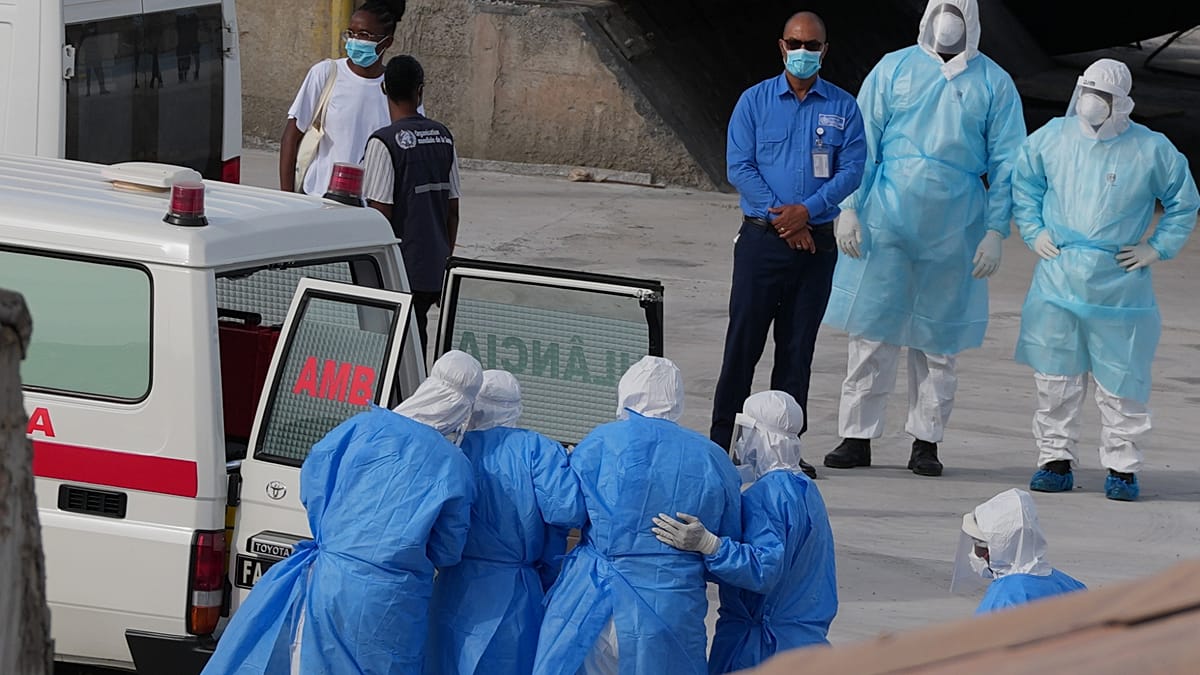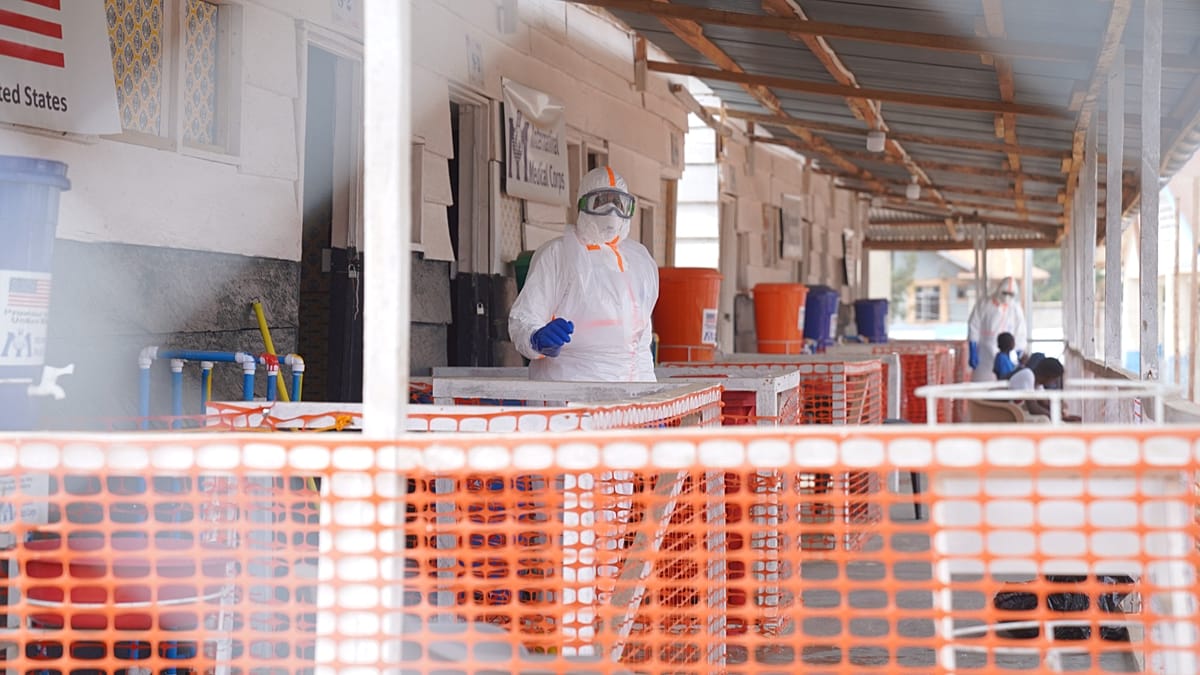
The Ebola outbreak in the Democratic Republic of the Congo is expanding at an alarming rate, with the United Nations warning on Friday that the epidemic is now growing exponentially. More than 2,500 people have died, and half of those deaths occurred in the last 20 days, according to Julien Harneis, the UN's senior Ebola coordinator.
Speaking from Bunia, the epicentre of the outbreak, Harneis told reporters in Geneva that the virus is spreading widely and now covers an area larger than France. "The epidemic is spreading widely. It's now covering an area that is bigger than France....It is growing faster and wider than the Ebola response," he said.
The outbreak, declared on 15 May, is already the deadliest in the country's history, surpassing all previous records. It has hit regions in the north and east where state presence is weak, health infrastructure is largely absent, and numerous armed groups have operated for decades.
Response under strain
Harneis stressed the urgent need to scale up the response, insisting that with more staffing and resources in remote areas across the east of the DRC, transmission could be slowed within months and eventually stopped. "If we provide more staffing, if we get more resources into remote areas across...the east of the Democratic Republic of Congo, within months we can slow the transmission and move to stopping it," he said.
The UN's warning comes as the outbreak has already spread to six provinces, raising fears of spillover into neighbouring South Sudan. The vaccination campaign has been hampered by insecurity and logistical challenges, though efforts continue to reach affected communities.
This is the DRC's 17th Ebola outbreak, and the virus is believed to have been circulating for several weeks before it was officially declared. The current crisis underscores the fragility of health systems in conflict-affected regions, a challenge that resonates beyond Africa's borders.
For Europe, the outbreak serves as a reminder of the interconnected nature of global health security. European nations, including France, Belgium, and Germany, have contributed funding and expertise to the response, while the EU's humanitarian aid arm has been active in the region. The spillover risk into South Sudan could further strain international resources.
As the UN calls for a more robust international effort, the focus remains on containing the virus before it spreads further. The coming weeks will be critical in determining whether the response can catch up with the outbreak's rapid expansion.