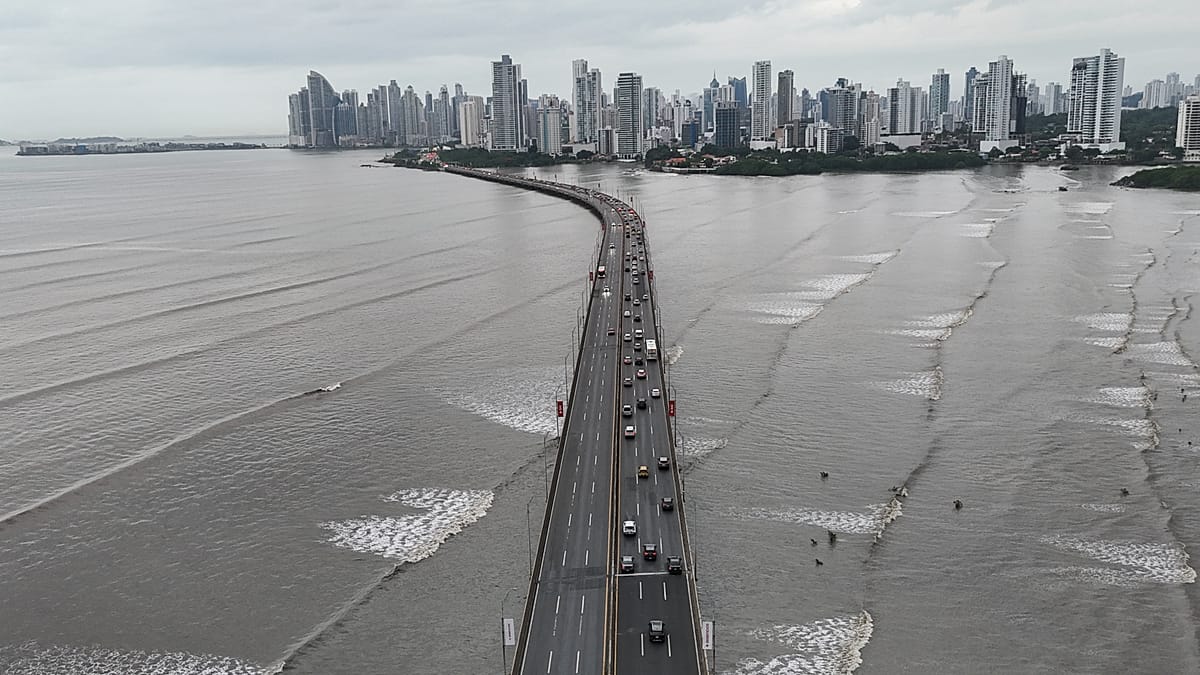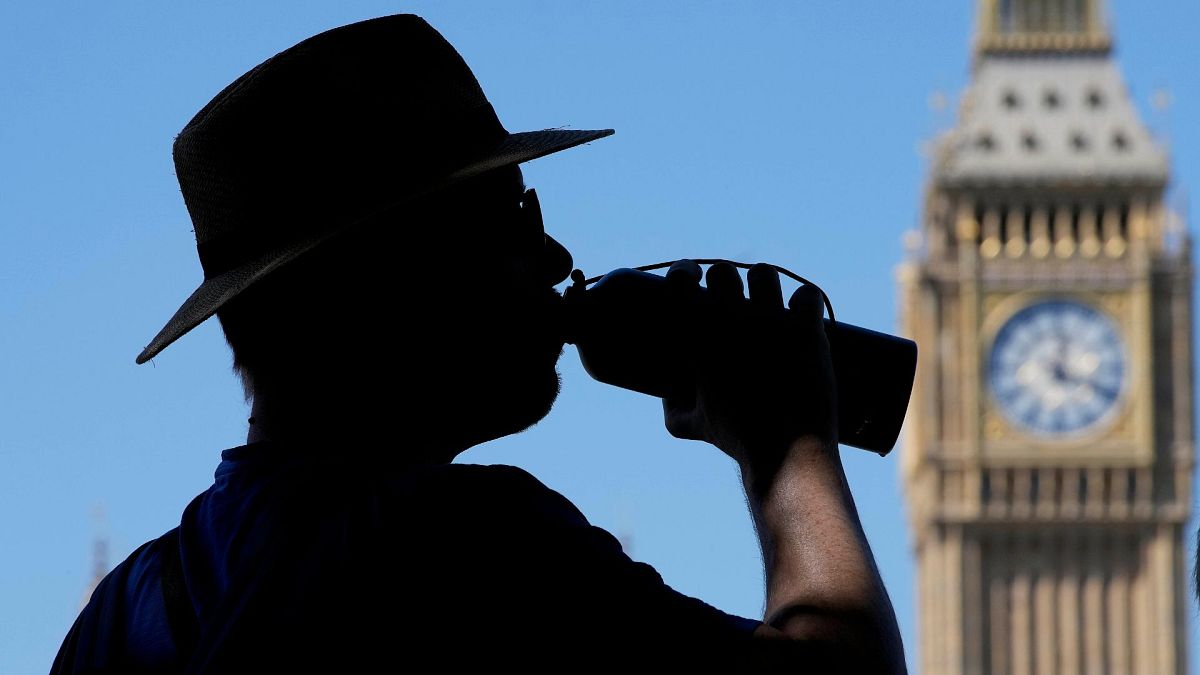
Anyone who has walked through a city on a summer's day knows the feeling: the air is thicker, the pavement radiates warmth, and the shade is scarce. This is not just a matter of comfort—it is a deadly phenomenon known as the urban heat island effect, which affects roughly three-quarters of Europeans living in urban areas.
According to the EU's Copernicus Climate Change Service (C3S), larger cities experience stronger heat stress. In London and Paris, for instance, nighttime temperatures can be around 4°C higher than in the surrounding countryside. This difference is not merely academic; it has real consequences for public health.
What causes urban heat islands?
Natural landscapes—forests, grasslands, rivers—absorb and release heat differently than the built environment. Cities are dominated by dark materials like asphalt, steel, and brick, which readily absorb sunlight and convert it into heat. These materials are also impermeable, meaning water cannot seep through to provide evaporative cooling. At night, the stored heat is radiated back into the air, keeping temperatures elevated.
The dense arrangement of tall buildings further exacerbates the problem by blocking airflow, reducing the ability of structures to cool down. Pollution from vehicles and industry adds another layer, trapping solar radiation and amplifying the warming effect.
EU research has linked the urban heat island effect to 6,700 premature deaths in the summer of 2015 alone, and the number of heat-related fatalities has been rising ever since. With much of Europe currently experiencing an unusually early heatwave, understanding and mitigating this effect is more urgent than ever.
How can we cool our cities?
While air conditioning might seem like an obvious solution, it is part of the problem. Air conditioning and electric fans consume about 10% of global electricity, contributing significantly to greenhouse gas emissions. Fortunately, there are more sustainable approaches.
One effective strategy is to use lighter materials that reflect sunlight. Painting rooftops white can help keep buildings cooler, while reflective grey coatings on roads, pavements, and car parks can lower overall city temperatures. Permeable materials that allow water to pass through also aid in cooling.
Trees are nature's air conditioners: they release water vapour and provide shade. Research shows that adding trees to cities can lower temperatures by 2°C to 10°C, depending on local conditions. Where space is limited, vertical gardens and rooftop gardens offer a practical alternative. Increasing water surfaces—such as ponds or fountains—can also help.
Design innovations like solar panels and moveable window shades that adjust with the sun's movement can further shield buildings from heat. Reducing road traffic through low-emission zones and promoting public transport can cut heat-trapping pollution, as noted in discussions at the World Urban Forum in Baku.
As Europe's urban population continues to grow, addressing the urban heat island effect is not just an environmental issue—it is a matter of public health and urban resilience. Cities from Paris to Athens are already experimenting with these solutions, and the evidence is clear: a cooler city is a safer, more livable one.