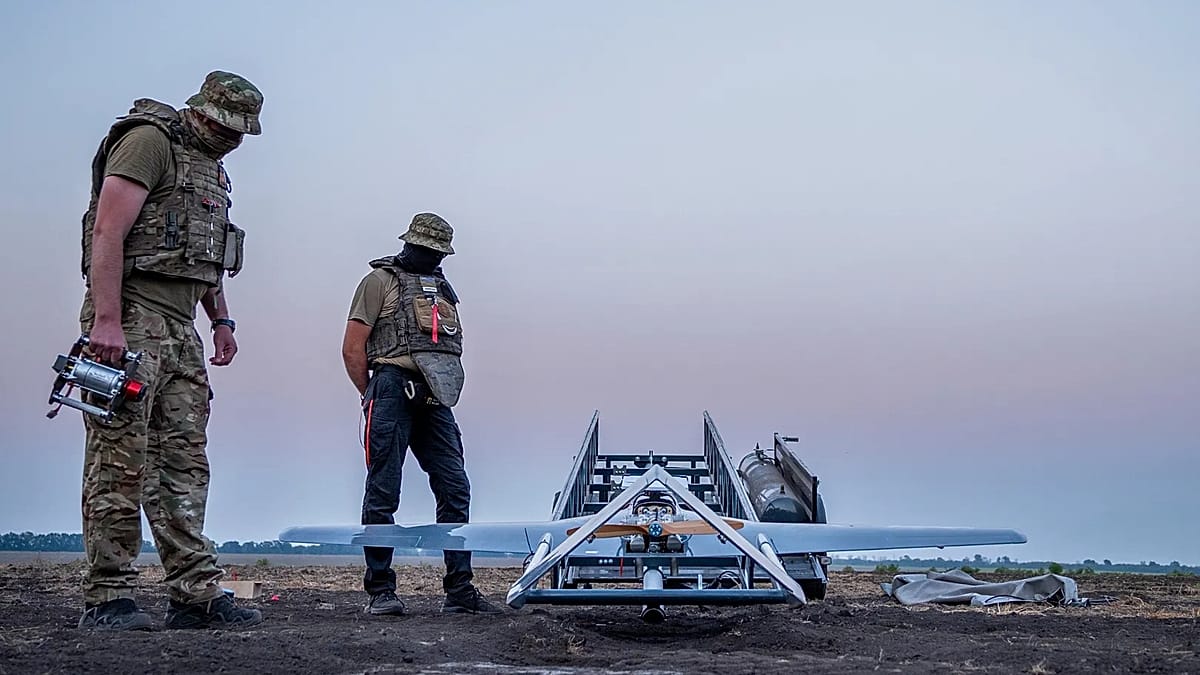
US defence contractor Covenant is preparing to establish a production line for medium-range missiles near Leipzig, with output potentially reaching 1,000 units per year by 2027, according to sources familiar with the plans. The move signals a growing transatlantic effort to bolster Europe's long-range strike capabilities outside traditional arms giants.
The missiles are expected to have a range exceeding 1,500 kilometres, making them suitable for deep-strike missions, though few other technical specifications have been disclosed. Each unit is projected to cost a few hundred thousand US dollars, significantly undercutting the Tomahawk cruise missile, which typically costs around $2 million per unit depending on the variant.
Covenant is also developing a cruise missile named "Anthem," considered its flagship project, but it remains unconfirmed whether that system is the one slated for production near Leipzig. The company, founded in 2024, is relatively new to the defence sector and also operates in Israel.
Germany's push for deep strike
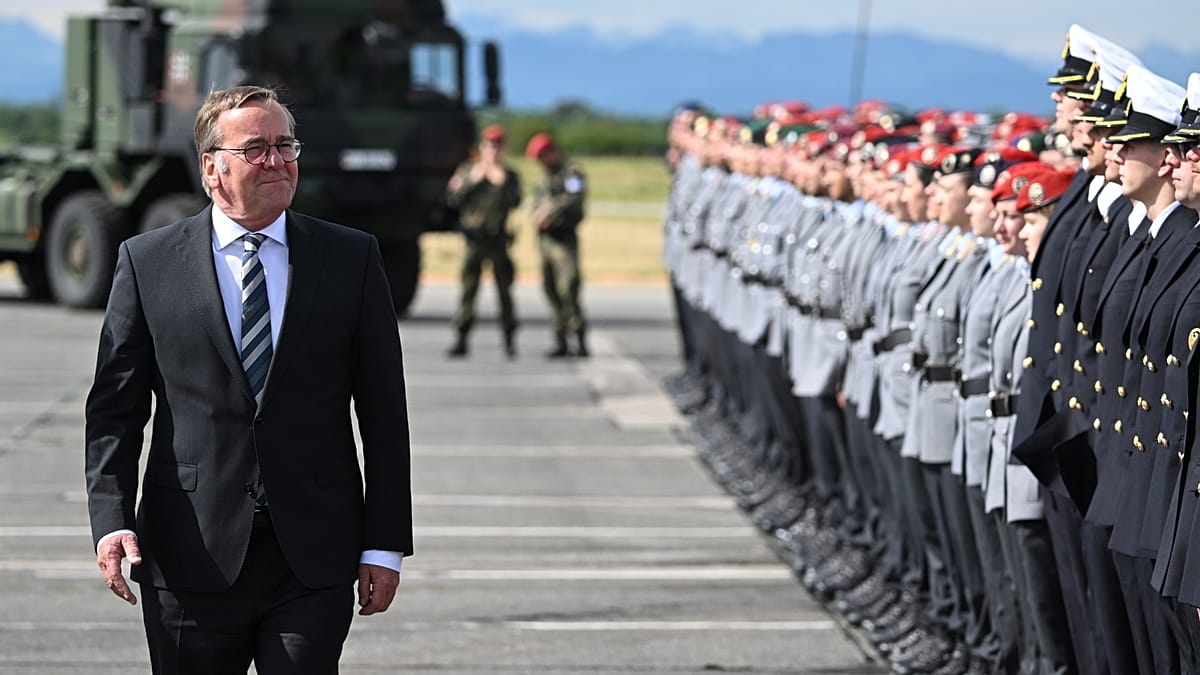
The planned investment comes as Germany confronts a pressing need for affordable, mass-producible long-range weapons. According to reports, the German Ministry of Defence has already issued requests for proposals to Covenant as part of its broader strategy to build a credible deep-strike capability. This effort aligns with wider European rearmament trends, including Switzerland's decision to field a drone battalion by 2028.
Although Covenant is a US company, most components are expected to originate from Germany and other European countries, reducing Berlin's reliance on American-made weaponry. This localisation could also strengthen the European defence industrial base, a priority for many EU capitals.
The choice of Leipzig as a production site is notable, given the region's existing logistics infrastructure and its proximity to major European markets. However, the area has recently seen security incidents, including drones and suspected explosives found near Leipzig/Halle Airport, which may raise questions about site security.
Who backs Covenant?
Covenant is backed by US investor Michael Kaufman, a former Thiel Capital executive, with additional support from prominent technology investors such as Andreessen Horowitz and the Founders Fund. This Silicon Valley pedigree reflects a broader trend of tech entrepreneurs entering the defence industry, seeking to disrupt traditional procurement models.
The company's rapid rise and its focus on cost-effective cruise missiles could appeal to European nations looking to expand their arsenals without straining budgets. As European defence spending rises—the EU has boosted maritime defence spending to record levels—innovative suppliers like Covenant may find fertile ground.
Analysts note that the success of such ventures will depend on their ability to navigate complex export controls and certification processes within the EU. The involvement of European suppliers could ease these hurdles, but questions remain about technology transfer and intellectual property.
For Germany, the potential partnership with Covenant represents a step toward greater strategic autonomy, a goal that has gained urgency since Russia's full-scale invasion of Ukraine. The conflict has highlighted the need for sharing missile technology with allies and maintaining robust domestic production capacities.
As the 2027 target approaches, observers will watch whether Covenant can deliver on its promises and whether other European nations will follow Germany's lead in embracing new defence players. The answer could reshape the continent's military-industrial landscape for decades.