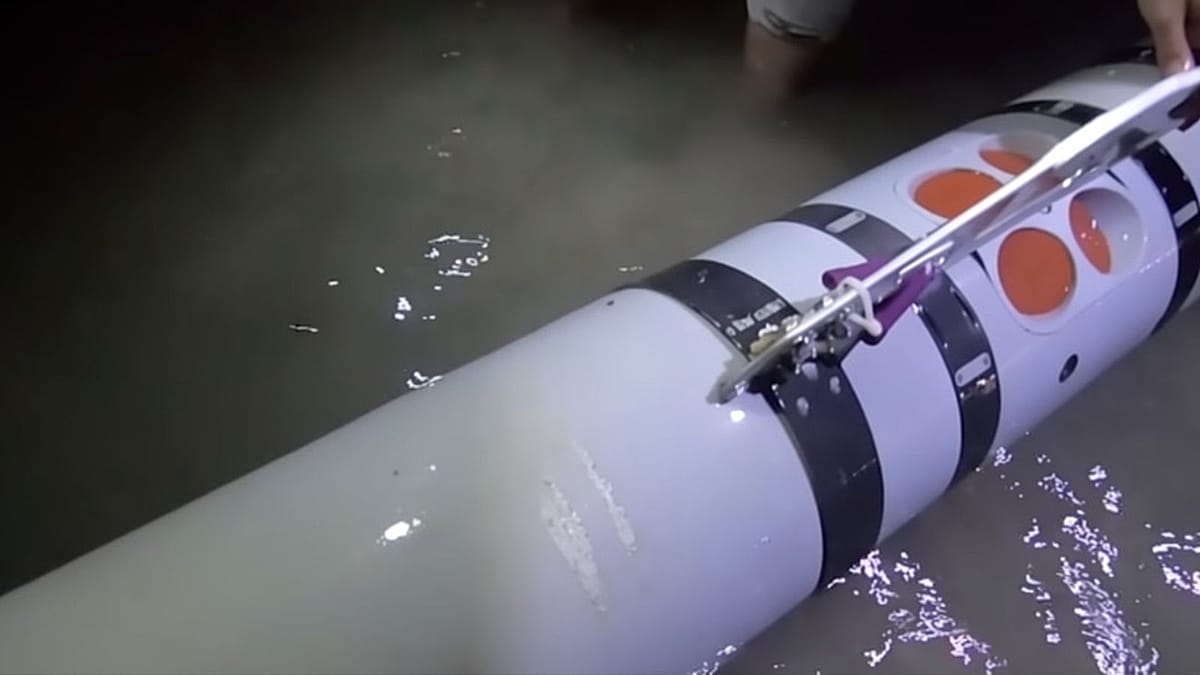
US Central Command (CENTCOM) reported on Saturday that its forces in the Middle East intercepted two Iranian one-way attack drones that posed a threat to international maritime traffic in the Strait of Hormuz. The downings occurred just a day after US forces shot down four other Iranian attack drones in the same strategic waterway, which Washington said were aimed at disrupting shipping.
“Earlier today, US forces in the Middle East shot down two Iranian one-way attack drones that threatened international maritime traffic in the Strait of Hormuz,” CENTCOM stated in a post on X. The command added that it remains prepared to “continue defending against Iranian aggression.”
Regional Escalation and Gulf Reactions
The latest interceptions come amid a broader escalation in the Gulf region. Bahrain’s government announced early Saturday that ballistic missiles and drones launched by Iran toward Bahrain and Kuwait had been intercepted. Manama urged Tehran to halt attacks against its Gulf neighbours, warning of the destabilising impact on regional security.
Iran, for its part, said it had targeted US military assets in both countries in response to American strikes on surveillance facilities on Qeshm Island and near Sirik. Tehran described those facilities as being used to protect borders and ensure the security of international navigation, and characterised the US strikes as a violation of the existing ceasefire.
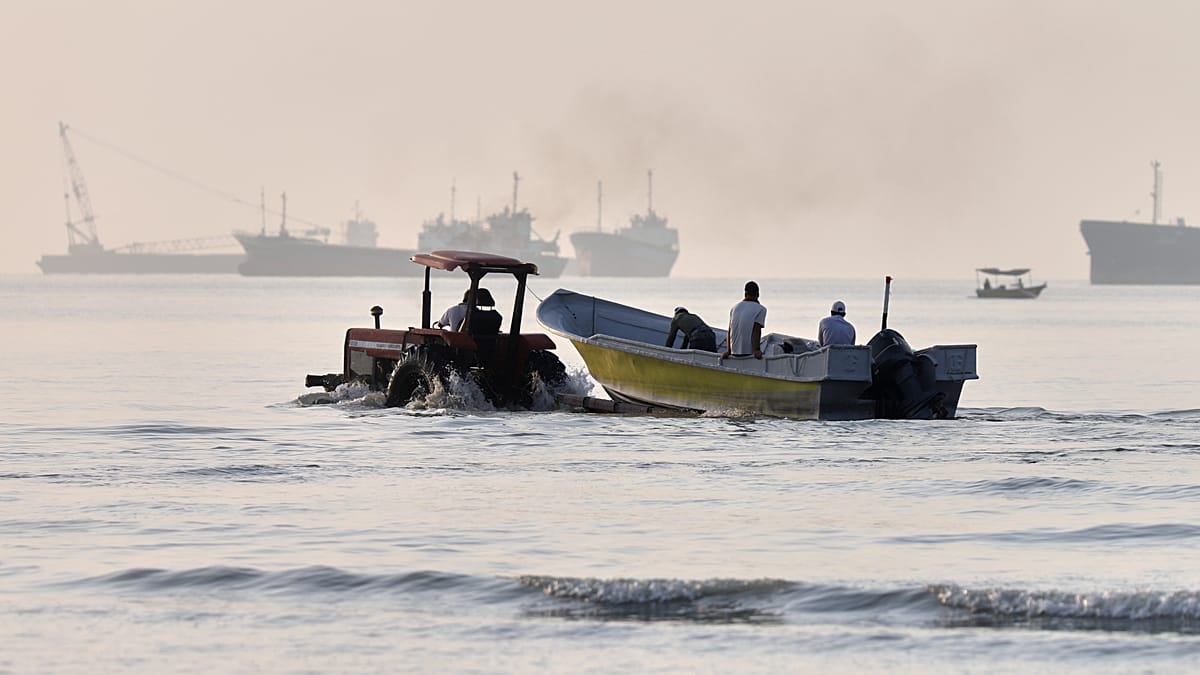
The Strait of Hormuz, a narrow passage between the Persian Gulf and the Gulf of Oman, is a critical chokepoint for global oil shipments. Roughly 20 percent of the world’s petroleum passes through its waters, making any disruption a matter of immediate concern for energy markets and European economies reliant on Gulf crude.
European Pulse has previously reported on the fragility of the ceasefire in the region, with US-Iran military exchanges threatening the fragile truce and Strait of Hormuz shipping. The latest drone interceptions underscore how quickly tensions can escalate, even as diplomatic channels remain open.
The European Union, which imports a significant share of its oil from the Gulf, has a direct stake in the stability of the Strait of Hormuz. EU foreign policy chief Josep Borrell has repeatedly called for de-escalation and dialogue. The bloc’s member states, including France, Germany, and Italy, maintain naval presence in the region as part of the European Maritime Awareness in the Strait of Hormuz (EMASOH) mission, launched in 2020 to ensure freedom of navigation.
Iran’s threats to close the Strait have previously sent oil prices soaring, as noted in our coverage of oil price surges following Iran’s suspension of talks and threats to the waterway. Any sustained disruption would have immediate knock-on effects for European consumers and businesses already grappling with energy costs.
The US military’s downing of the drones is the latest in a series of tit-for-tat actions that have characterised US-Iran relations since the Trump administration withdrew from the nuclear deal in 2018. The Biden administration has sought to revive negotiations, but progress has been uneven. The recent strikes and interceptions suggest that both sides are willing to use military force to protect their interests.
For European policymakers, the situation presents a delicate balancing act: maintaining solidarity with Gulf allies while avoiding being drawn into a broader conflict. The EU’s diplomatic efforts, including the work of the European External Action Service, remain focused on preventing an all-out confrontation that could destabilise the entire region and disrupt global energy supplies.
As the situation develops, European Pulse will continue to monitor the implications for European security and energy markets. The Strait of Hormuz remains a flashpoint where local incidents can quickly become global crises.