Inflation in the United States cooled for a second consecutive month in July, with consumer prices rising 3.4% from a year earlier, according to data released on Wednesday by the US Bureau of Labor Statistics. The figure, down from 3.5% in June, matched the consensus forecast of economists, offering little clarity to a deeply divided Federal Reserve ahead of its September policy meeting.
On a monthly basis, prices rose 0.1% after a 0.4% decline in June. Core inflation, which excludes food and energy, increased 0.2% month-on-month and eased to 2.5% annually from 2.6%. Every metric aligned with the Dow Jones consensus, though the annual slowdown partly reflects favorable comparisons with a strong summer in 2025. Monthly momentum picked up from June's unusually soft readings, suggesting that disinflation remains gradual.
US stock futures ticked higher immediately after the release, while traders trimmed bets on tighter policy. The probability of a September rate hike, as measured by CME's FedWatch tool, slipped from 48% to 42%, but money markets still see the decision as nearly a toss-up.
A committee at odds with itself
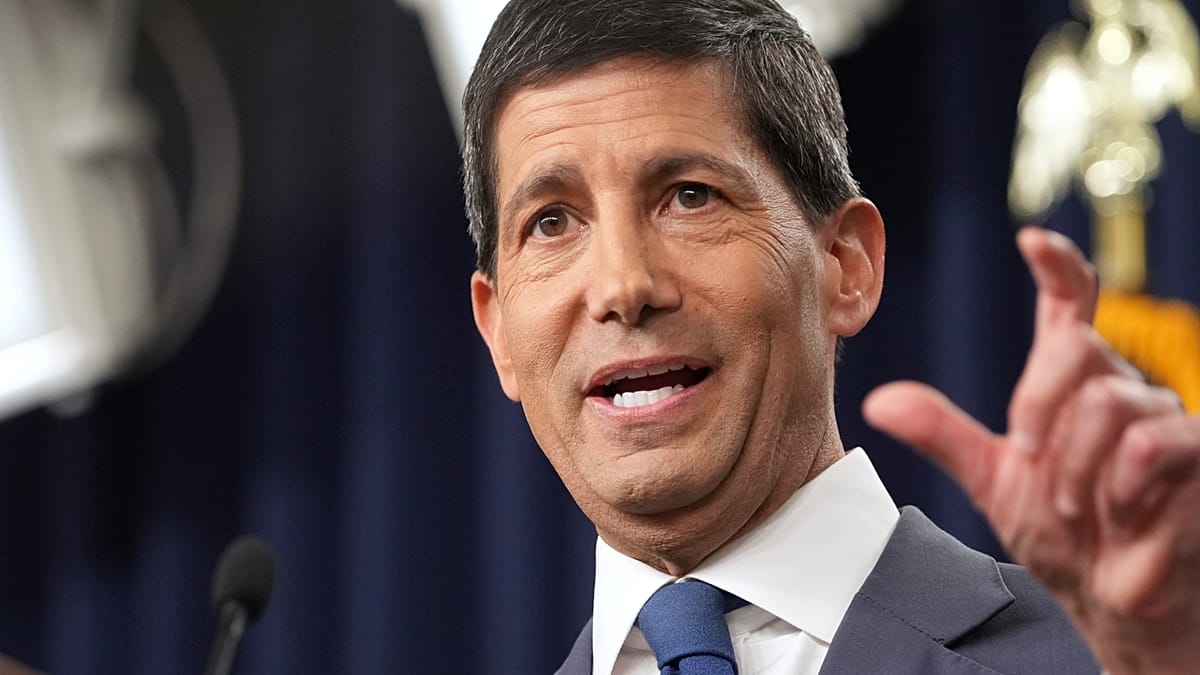
The Federal Reserve held its benchmark rate at 3.50%–3.75% on 29 July, marking a fifth consecutive pause. However, three regional presidents dissented in favor of a quarter-point increase—the most in one direction in nearly a decade. Chair Kevin Warsh, who has abandoned forward guidance and declined to publish his own projections, reiterated that the Fed would "deliver price stability" and act without hesitation, having previously described inflation as a choice.
The Fed's other mandate pulls in the opposite direction. The US economy shed 23,000 jobs in July, against forecasts of roughly 83,000 added, while average hourly earnings grew 3.2% year-on-year—lagging behind price increases and reviving talk of stagflation. Unemployment, at 4.1%, sits close to most estimates of full employment.
Cleveland Fed president Beth Hammack, a dissenter, argued on Monday that a single quarter-point move would achieve little and that several may be needed, contending that rates are not meaningfully restraining growth. Her New York counterpart, John Williams, expects inflation to fall in the second half of the year. Investors remain similarly split, with hike odds hovering around 50% this week, down from 67% a week ago, and shifting again after the latest figures.
The oil problem has not gone away
The bigger threat to disinflation lies in the Gulf. The Strait of Hormuz remains largely closed, with crossings at just 6 to 11 vessels per day compared with 130–140 before the war. Talks to reopen the strait have stalled over reparations demands, with US President Donald Trump insisting that Iran should also pay for damages it is responsible for in Lebanon, Syria, Yemen, and Gaza.
Brent crude has gained about 5% since Friday, reaching its highest level since 31 July and standing roughly 25% above early July's lows. Energy was a key driver of US inflation in May, when prices hit 4.2%, and Goldman Sachs estimates that airfares rose 2% last month as jet fuel costs fed through.
Trump has signaled he will let economic pressure on Tehran build rather than launch a fresh military campaign, telling Axios that Washington is "low-keying it." That implies a prolonged standoff and a lasting premium on crude, which could complicate the Fed's path back to its 2% target.
For European observers, the US inflation trajectory carries direct implications. The Federal Reserve's decisions influence global financial conditions, and a prolonged period of elevated US rates could weigh on the eurozone's recovery. Meanwhile, the ongoing closure of the Strait of Hormuz continues to affect energy prices across Europe, as seen in global markets wavering on oil and gold. European central banks, including the European Central Bank, will be watching closely as they calibrate their own monetary policies.