The fragile ceasefire between the United States and Iran is teetering on the edge of collapse, with both sides accusing each other of violations and no clear path to renewed negotiations. US President Donald Trump announced on his social media platform Truth Social that he would extend the temporary truce to allow more time for diplomacy, but simultaneously ordered the US Navy to maintain its blockade of Iranian ports.
“I will extend the Ceasefire until Iran comes up with a unified proposal,” Trump wrote, adding that he had “directed our Military to continue the Blockade.” The move underscores Washington’s dual strategy of offering a diplomatic off-ramp while keeping military pressure on Tehran.
Vice President JD Vance, who was expected to lead the US negotiating team, abruptly cancelled a planned trip to Pakistan, according to a US official. Meanwhile, Iran’s Foreign Ministry spokesman Esmail Baghaei told state television that there has been “no final decision” on whether to attend further talks, citing “unacceptable actions” by the US—an apparent reference to the blockade in the Strait of Hormuz.
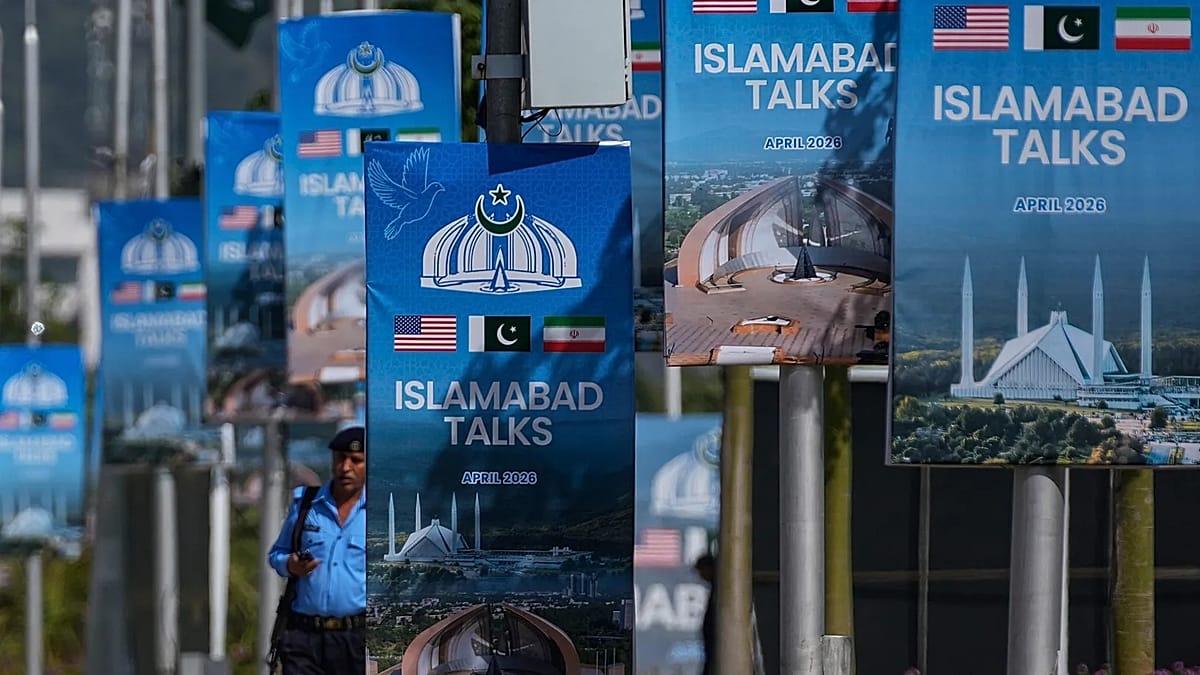
Pakistani Prime Minister Shehbaz Sharif and other officials worked late into Tuesday to broker a second round of talks, but those efforts have so far failed to bridge the gap. The initial talks in Islamabad earlier this month, the highest-level direct discussions between the two countries since the founding of the Islamic Republic in 1979, collapsed without an agreement.
Strait of Hormuz: A Strategic Flashpoint
At the heart of the crisis is the Strait of Hormuz, a narrow waterway through which about a fifth of the world’s oil passes. Iran closed the strait on 28 February, triggering a surge in global oil prices. In response, the US imposed a naval blockade of Iranian ports, which Tehran says violates the ceasefire agreement. Washington insists the blockade will remain until Iran reopens the strait unconditionally.
Trump has demanded that Iran surrender its uranium stockpile and abandon efforts to control the waterway. Despite weeks of US and Israeli bombing before the ceasefire, Tehran has refused these conditions. “We’re in a very, very strong negotiating position,” Trump said earlier this week. “We’re going to end up with a great deal. I think they have no choice.”
Iranian parliament speaker Mohammad Bagher Ghalibaf struck a defiant tone on X, writing: “Trump, by imposing a siege and violating the ceasefire, seeks to turn this negotiating table—in his own imagination—into a table of surrender or to justify renewed warmongering. We do not accept negotiations under the shadow of threats, and in the past two weeks, we have prepared to reveal new cards on the battlefield.”
The standoff has direct implications for Europe, which relies heavily on Middle Eastern oil and gas. The disruption in the Strait of Hormuz has already sent energy prices climbing across the continent, adding to inflationary pressures. The UK envoy to the UAE has warned of regional risk but expressed confidence in the resilience of global markets.
Trump also claimed that the US had intercepted a ship carrying a “gift” from China to Iran, which he said was “not very nice.” He expressed surprise, saying he thought he had an “understanding” with Chinese President Xi Jinping that Beijing would not supply weapons to Tehran. A week earlier, Trump had announced that Xi assured him there would be no such deliveries.
As the crisis deepens, the US administration is consulting internally. Trump’s special envoy Steve Witkoff and his son-in-law Jared Kushner were expected in Washington on Tuesday for strategy discussions. The White House has not ruled out further military action, with Trump warning that bombing Iran’s bridges and power plants—which many analysts say could constitute war crimes—is “not my choice but it will also hurt them.”
For now, the ceasefire holds by a thread, but with both sides unwilling to compromise, the risk of a full-scale resumption of hostilities remains high. European capitals are watching closely, aware that any escalation could have severe consequences for energy security and regional stability.