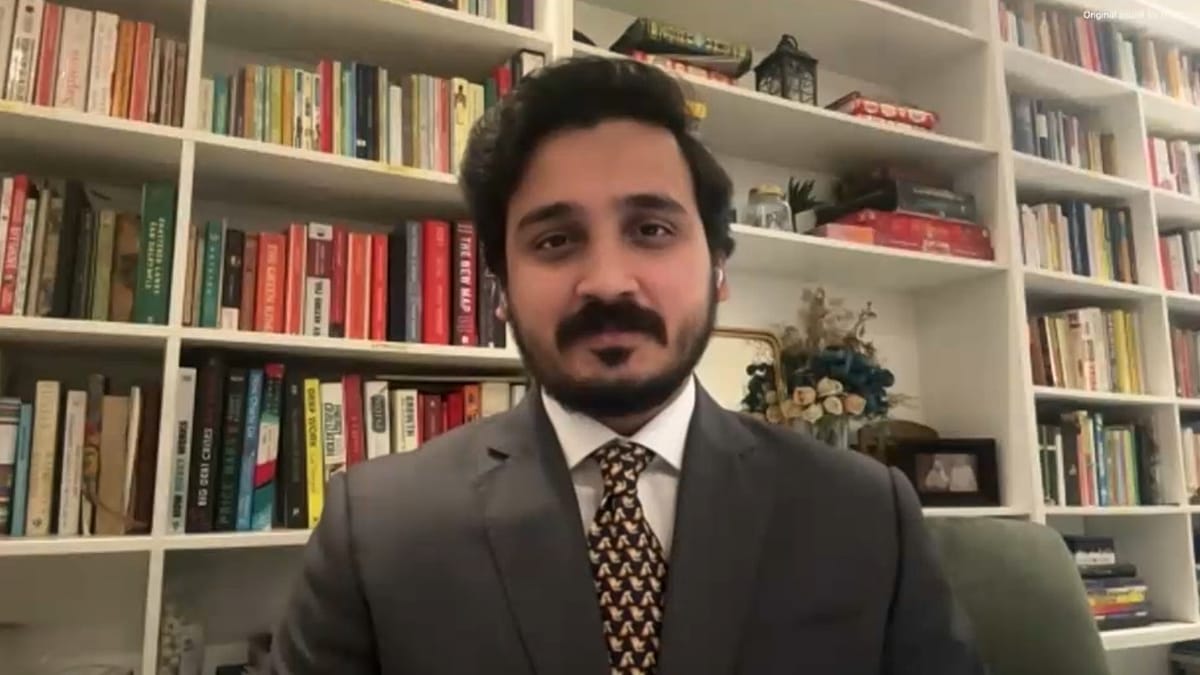
The ongoing uncertainty surrounding US-Iran relations is creating significant confusion in global financial markets, with one economist warning that conditions are more likely to deteriorate than improve. Osama Rizvi, an economic analyst, told European Pulse that the probability of markets turning "worse" or "ugly" now exceeds the chance of recovery, as diplomatic signals from Washington and Tehran remain contradictory.
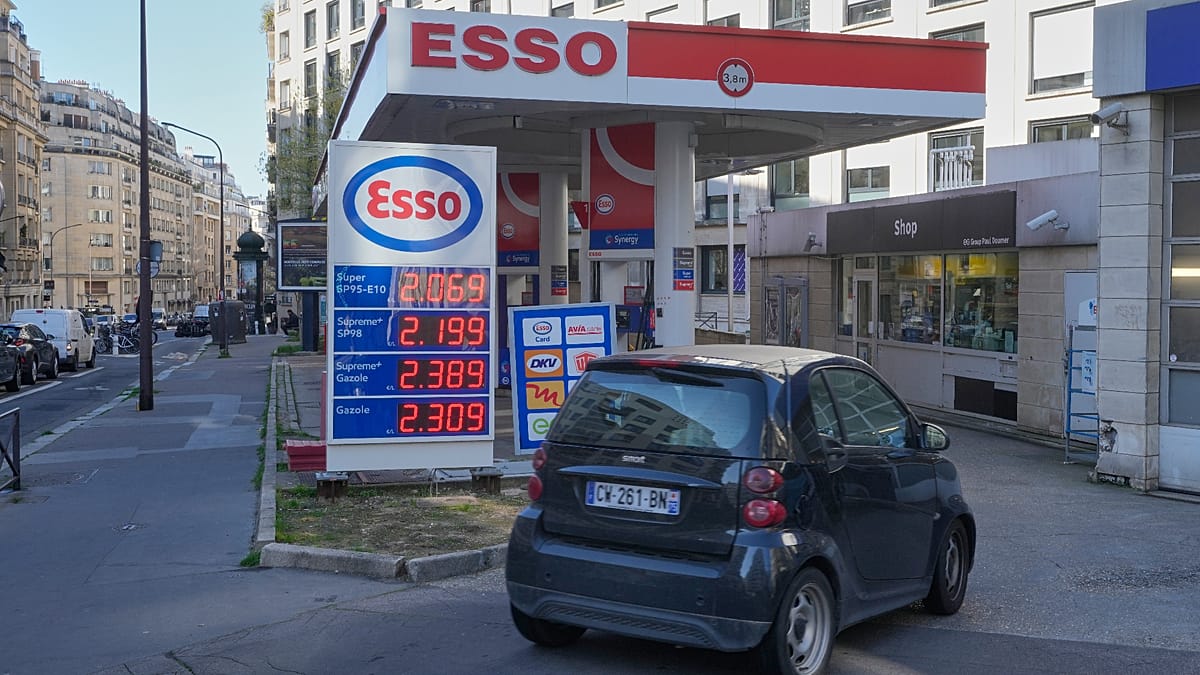
Rizvi highlighted that European business confidence is particularly affected. "Economic confidence is going down in Europe," he said, pointing to the continent's vulnerability to energy price shocks and trade disruptions stemming from geopolitical instability in the Middle East. The analyst noted that oil prices have steadied around $100 per barrel as talks between the two countries stall, adding pressure on European importers and manufacturers.
Oil Price Volatility and Market Reactions
Crude oil markets have been swinging sharply on every hint of progress or setback in US-Iran negotiations. Recent reports of a potential ceasefire extension triggered a brief rally, with oil prices dropping as markets rallied on hopes of de-escalation. However, those gains proved short-lived as the underlying tensions remain unresolved.
European stock indices have mirrored this volatility. The DAX in Frankfurt, the CAC 40 in Paris, and the FTSE 100 in London have all experienced erratic trading sessions, with energy and defense sectors seeing the largest swings. Analysts warn that prolonged uncertainty could deter investment and slow the region's economic recovery.
Rizvi emphasized that the confusion stems from a lack of clear policy direction. "Markets are trying to price in multiple scenarios simultaneously—from a full-scale conflict to a diplomatic breakthrough—and that creates paralysis," he explained. The analyst added that European policymakers are watching the situation closely, as any disruption to oil supplies from the Strait of Hormuz would hit the continent hard.
Broader Economic Implications for Europe
The uncertainty comes at a delicate time for the European economy, which is already grappling with high inflation, rising interest rates, and the aftermath of the energy crisis. The European Central Bank has signaled further rate hikes to combat persistent price pressures, but geopolitical shocks could complicate its task.
Rizvi noted that business leaders across the EU are postponing investment decisions, waiting for more clarity on energy costs and trade conditions. "When confidence goes down, companies hold back on hiring and expansion. That feeds into slower growth and higher unemployment," he said. The analyst pointed to recent data showing a dip in the European Commission's economic sentiment indicator for several member states, including Germany and France.
Meanwhile, the EU's six largest economies have agreed on a blueprint for a Capital Markets Union, aiming to deepen financial integration and reduce dependence on external funding sources. However, such structural reforms take time to implement and may not provide immediate relief from the current geopolitical headwinds.
Outlook: More Volatility Ahead
Rizvi cautioned that the situation could worsen before it improves. "The chance of things getting worse or ugly is more than getting better," he reiterated, urging investors to brace for continued turbulence. He recommended that European businesses diversify supply chains and hedge against energy price spikes to mitigate risks.
As the US and Iran continue their diplomatic dance, European markets remain caught in the crossfire. The coming weeks will be critical: any escalation could send oil prices soaring and trigger a broader sell-off, while a credible ceasefire could restore some calm. For now, confusion reigns, and confidence is eroding.