Venezuela's acting president, Delcy Rodríguez, has pushed back against mounting criticism over her administration's handling of the two devastating earthquakes that struck on 24 June. With the official death toll now exceeding 2,500 and thousands still missing, Rodríguez rejected claims that rescue efforts were slow and that casualty figures have been deliberately under-reported.
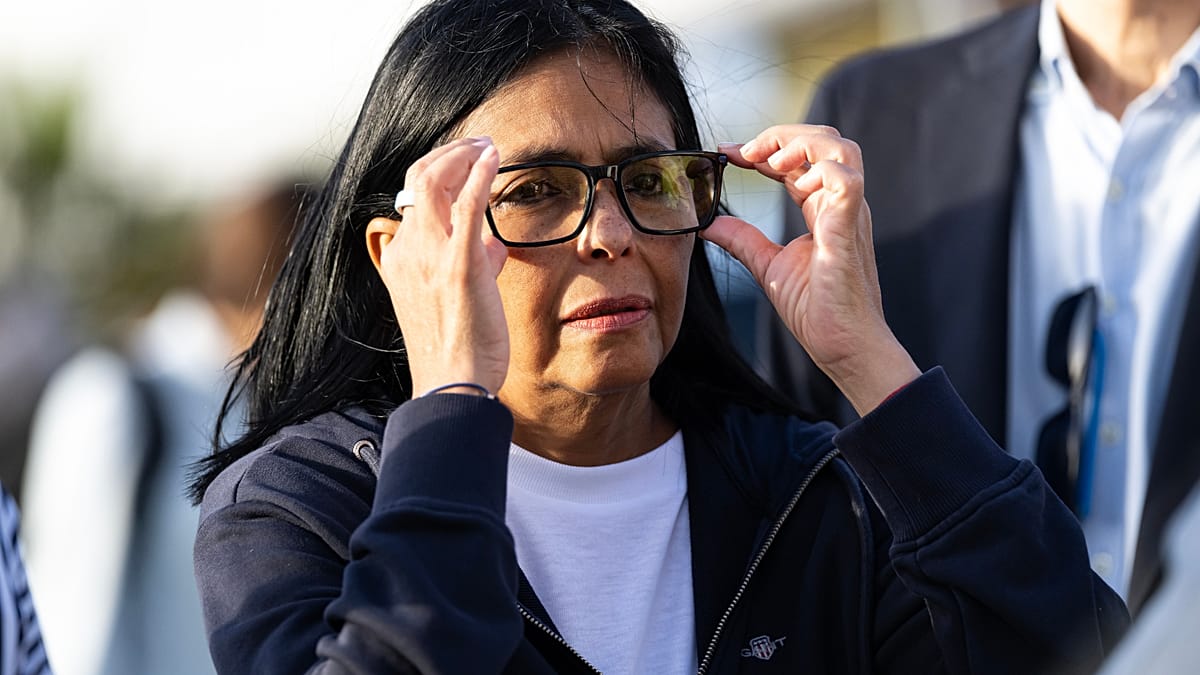
Speaking at a press conference in Caracas, Rodríguez wore a black mourning ribbon but was unequivocal in her defense. "We did not wait one day, two days or three days. We activated immediately," she said, accusing the media of weaponizing the tragedy for political gain. The dual 7.2 and 7.5-magnitude quakes leveled nearly 200 buildings across the capital and the northern coastal state of La Guaira, though satellite imagery suggests the true scale of destruction may be far greater.
International Aid and Political Pressure
Rodríguez has welcomed international assistance, specifically thanking US President Donald Trump and Secretary of State Marco Rubio, as well as nations such as Ecuador and Israel. The disaster comes at a critical juncture for her interim mandate, granted after the US removed former President Nicolás Maduro in January. Her 180-day term was set to expire on Friday, leaving her political future uncertain.
Opposition groups have seized on the crisis to question her leadership. An opposition-run website has logged over 38,000 missing-person reports, and the United Nations is reportedly procuring 10,000 body bags. Rescue teams from 27 countries have been involved in operations, but by Friday—nine days after the quakes—the search for survivors had largely ended, with efforts shifting to body recovery.
Addressing the collapse of several signature social housing projects built under former President Hugo Chávez, Rodríguez claimed that 80% of the destroyed buildings were privately developed, though she provided no evidence to support this assertion. The accusation that poor construction standards exacerbated the disaster remains a flashpoint in the national debate.
Rescue Operations End, Recovery Begins
A rare moment of hope came on Thursday when rescuers extracted 43-year-old security guard Hernán Alberto Gil Flores from an air pocket beneath a collapsed seven-story mall in Catia La Mar, where he had survived for eight days. However, subsequent sweeps using search dogs and sensitive audio sensors found no further signs of life, prompting international teams to call off rescue operations.
The focus has now shifted to recovering bodies, a grim task complicated by an oppressive heatwave and the sheer volume of casualties. Forensic technicians report that many bodies are unrecognizable, forcing families to rely on tattoos or clothing for identification. Storage facilities have run out of space; in the city of La Guaira, over 200 bodies were left in a sweltering hospital parking lot before being moved to a makeshift morgue at the local seaport, where private firms donated refrigerated shipping containers. Forensic staff estimate it could take up to three months to collect all the victims and have warned that mass graves will be necessary.
The disaster has also drawn attention to broader challenges facing the region. As European leaders grapple with their own crises—such as the June heatwave linked to over 4,000 excess deaths across Western Europe—the Venezuelan tragedy underscores the vulnerability of infrastructure in politically unstable environments. Meanwhile, international solidarity has been notable, with teams from 27 countries, including several European nations, contributing to the relief effort.
Rodríguez's political fate remains unclear, but the earthquake response will likely define her legacy. For now, the focus remains on the human toll: thousands dead, thousands more missing, and a nation grappling with the aftermath of one of its worst natural disasters in decades.