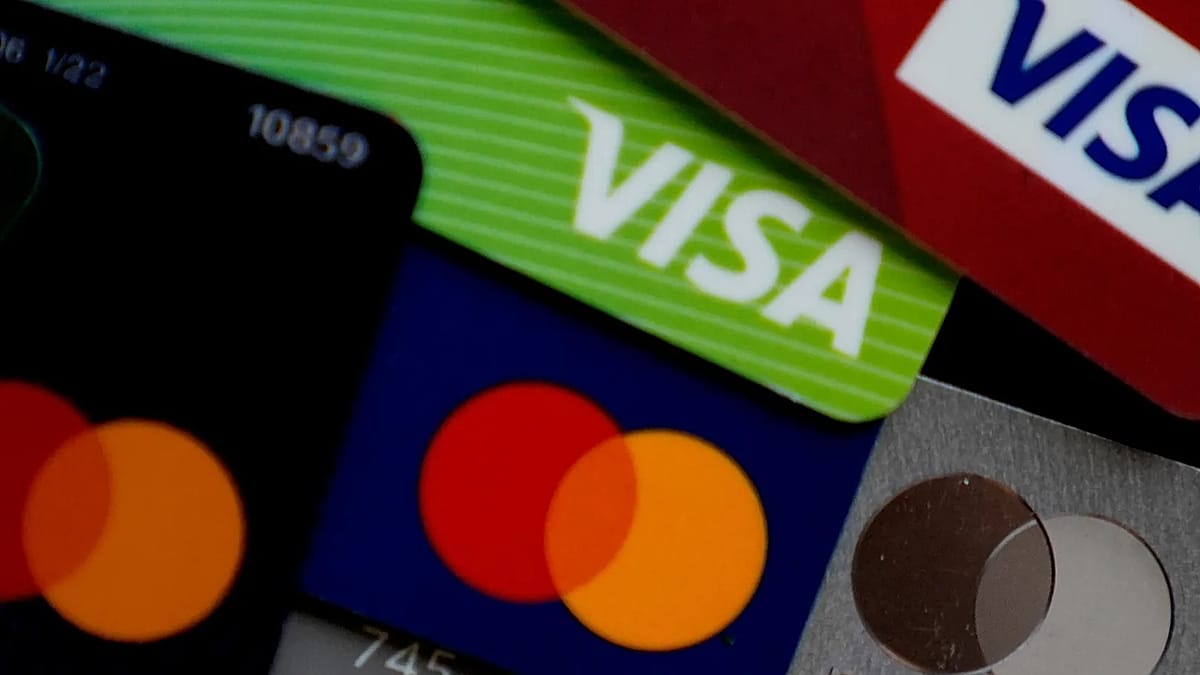
Visa has embedded its payment network directly into OpenAI's ChatGPT, enabling the chatbot to independently browse, select, and purchase products on behalf of users. The move marks a significant step in the evolution of AI-powered commerce, extending beyond simple product recommendations to full transaction execution.
Under the partnership, ChatGPT will handle the interaction and decision-making process, while Visa manages payment authorization and fraud monitoring. The system works at any merchant that accepts Visa, a departure from earlier attempts that were limited to single retailers or small groups of enrolled merchants.
How the System Works
At a company event in San Francisco on Wednesday, Visa's chief product and strategy officer, Jack Forestell, demonstrated the feature with an example: a user asks ChatGPT to find wireless headphones under $150 (€136). The chatbot locates a suitable pair and completes the purchase without further input.
Users must link their Visa cards to ChatGPT and can set guardrails such as spending limits, required approval steps, and a list of approved merchants. Forestell said Visa would handle disputes using the same rules applied to any other transaction, verifying that the consumer intended the purchase and that the merchant processed it correctly.
This is not OpenAI's first foray into e-commerce. The company launched Instant Checkout late last year, allowing ChatGPT to search for specific items. However, that feature was prone to errors and struggled with adoption after merchants balked at a 4% transaction fee. It was retired in March. Financial terms of the new Visa deal were not disclosed, nor were any fees for merchants or customers.
Trust and Adoption
Forestell acknowledged that building consumer trust in autonomous purchasing will take time. He expects most early transactions to still require human approval, with agents sending notifications before completing a purchase. "I think we're generally at a place where most people are very comfortable with the shopping aspects of it," he said, adding that making the leap to autonomous purchasing "just requires a whole different level of trust."
Visa's main rival, Mastercard, has also been developing AI shopping features, though on a smaller scale. Its offering targets businesses rather than consumers, allowing AI agents to procure services such as advertising on a company's behalf.
The integration raises questions about the future of e-commerce in Europe, where data protection and consumer rights are tightly regulated under the General Data Protection Regulation (GDPR). European consumers may be cautious about granting an AI agent direct access to payment systems, even with safeguards. The development also echoes broader trends in automation, such as those seen in Amazon's busiest European warehouse, where robots and lasers are reshaping logistics.
As AI agents become more embedded in daily life, the balance between convenience and control will be critical. For now, Visa and OpenAI are betting that with the right security measures, consumers will gradually embrace the idea of letting a chatbot handle their shopping.