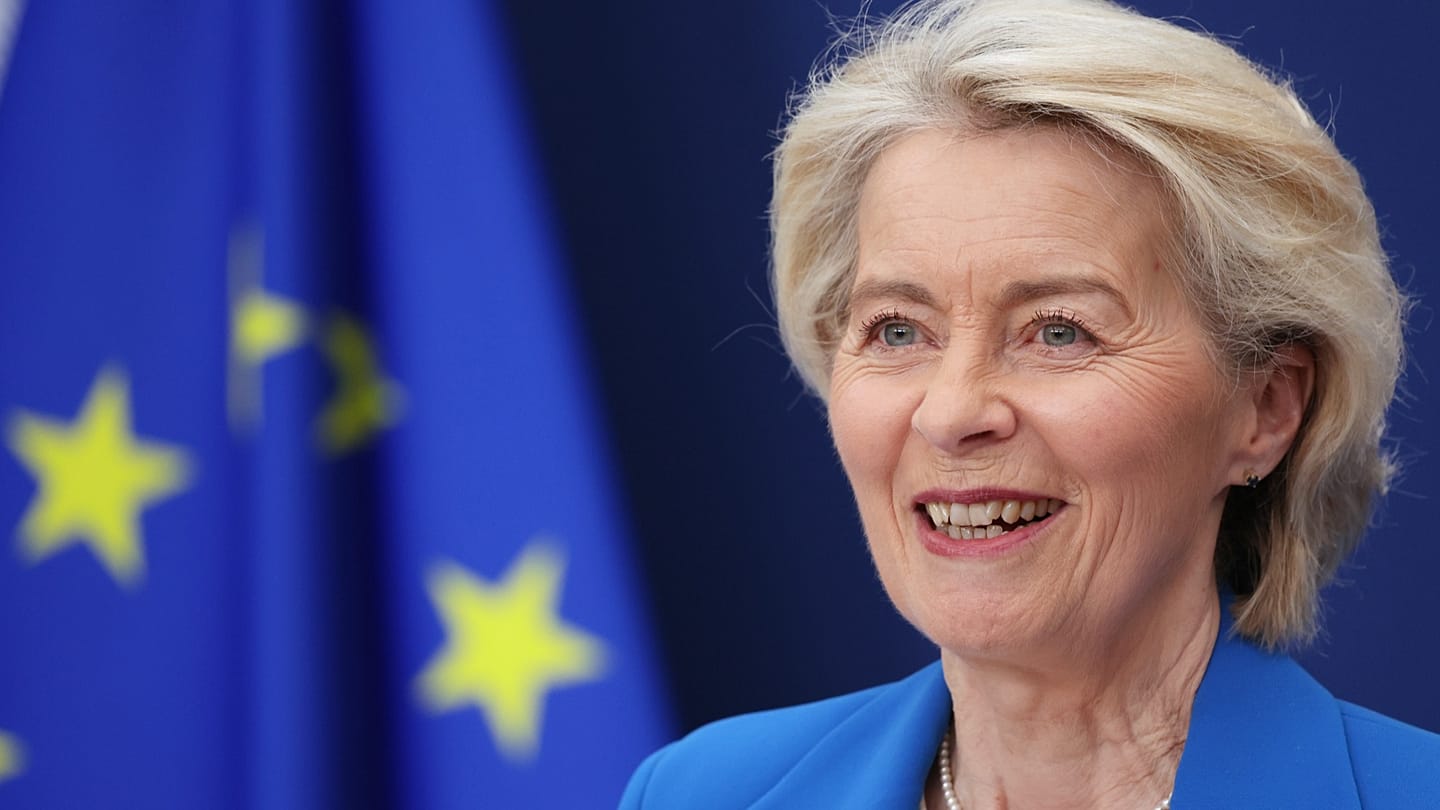
European Commission President Ursula von der Leyen is set to visit Azerbaijan and Armenia next week, marking a significant push to solidify the European Union's strategic footprint in the South Caucasus. The trip, which includes stops in Baku and Yerevan, underscores Brussels' intent to deepen cooperation on energy security, trade, and regional infrastructure projects that directly benefit EU member states.
Energy and Connectivity at the Forefront
The visit comes as the EU seeks to diversify its energy sources away from Russian supplies, a priority that has gained urgency since the invasion of Ukraine. Azerbaijan, a key gas exporter, has already signed a memorandum of understanding with the EU in 2022 to double its gas deliveries to Europe by 2027. Von der Leyen's discussions in Baku are expected to focus on accelerating that timeline and exploring renewable energy projects, including offshore wind and solar farms in the Caspian Sea.
In Yerevan, the agenda will center on Armenia's growing alignment with European standards. The country has recently taken steps toward closer integration, including a pro-EU referendum that signals a shift away from its traditional reliance on Russia. Brussels has been supporting Armenia's reform efforts, particularly in rule of law, trade facilitation, and digital connectivity. The visit is also likely to touch on the landmark internet transit deal signed between Armenian and Azerbaijani telecoms, which could enhance digital links across the region.
Balancing Act in a Volatile Region
The South Caucasus remains a complex geopolitical chessboard, with Russia, Turkey, and Iran all vying for influence. The EU's engagement is not without risks: Azerbaijan and Armenia have a long-standing conflict over Nagorno-Karabakh, and tensions have flared repeatedly despite a 2020 ceasefire brokered by Russia. Von der Leyen's visit is intended to promote stability through economic interdependence, a strategy that has worked in other parts of Europe.
Brussels is also keen to position itself as a credible mediator. The EU has been facilitating peace talks between Baku and Yerevan, and the European Council President Charles Michel has hosted several rounds of negotiations. Von der Leyen's presence in both capitals is a signal that the EU is willing to invest political capital in the region, even as it competes with other powers for influence.
Trade and Investment Opportunities
Beyond energy, the EU is looking to expand trade ties. Azerbaijan is already a significant trading partner, with EU exports to the country reaching €3.4 billion in 2023. Armenia, though smaller, has seen a surge in EU investment, particularly in the tech and services sectors. The visit is expected to yield new agreements on customs cooperation and standards alignment, making it easier for businesses in both countries to access the European single market.
Regional connectivity is another key theme. The EU has been promoting the so-called Middle Corridor, a trade route linking Central Asia to Europe via the Caucasus, bypassing Russia. This initiative has gained traction following Western sanctions on Moscow. Von der Leyen's discussions in Baku and Yerevan will likely address how to improve rail and road links, as well as customs procedures, to make the corridor more efficient.
Broader European Context
The visit also fits into a wider pattern of EU outreach to its eastern neighbors. Earlier this year, the EU signed a €10 billion package of deals with Kazakhstan, highlighting the bloc's interest in Central Asia and the Caucasus as alternative sources of energy and raw materials. Von der Leyen's trip to Azerbaijan and Armenia is a logical next step in this strategy, reinforcing the EU's commitment to building resilient supply chains and stable partnerships on its eastern flank.
For European readers, the implications are clear: the South Caucasus is no longer a distant periphery but a critical node in the continent's energy and trade networks. As the EU navigates a shifting global order, its engagement with Baku and Yerevan will have direct consequences for energy prices, supply security, and geopolitical stability in Europe.