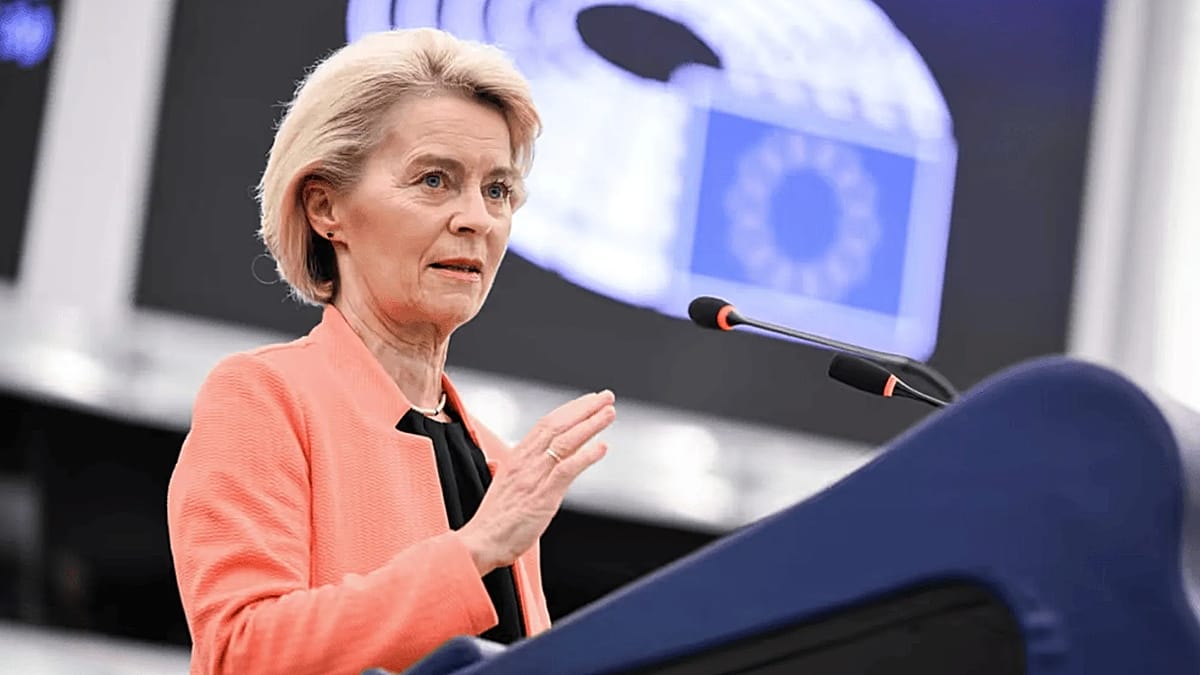
When Ursula von der Leyen steps before the European Parliament on Wednesday, the closing line is almost certain to be “Long live Europe.” The European Commission president has used that sign-off in every State of the Union address since 2020, with a single exception: her 2021 speech, delivered during the pandemic, ended with “Viva l’Europa.”
What she says before that familiar refrain is far harder to predict. The speech is one of Brussels’ most closely guarded secrets, with the final text often revised until the last minute. According to one EU official, only two people hold the full draft: von der Leyen and her chief of cabinet, Bjoern Seibert.
Drawing on conversations with diplomats, civil servants, and MEPs, here are the key themes expected to dominate the address.
Social media ban for minors: an open secret
Last year’s headline promises — a “drone wall” for Europe and sanctions on Israeli extremist ministers — largely fizzled out, delayed or watered down by member states. This year’s big announcement could prove just as contentious.
Von der Leyen is expected to unveil a proposal for an EU-wide social media ban for minors, following recommendations from a group of experts published in July. The Commission is due to present the “EU Kids Act” on Thursday, and the ban is likely to be its centrepiece.
The sensitive part is harmonising the minimum age across the bloc. Countries like the Netherlands and Spain have already pushed for similar restrictions on video games and AI companions, but national competence over such matters makes agreement difficult.
Ukraine: frozen assets and fresh sanctions
Ukraine will be high on the agenda, as Kyiv faces a massive budget shortfall and the debate over using Russia’s frozen assets intensifies. The Commission has been asked to find creative solutions that would protect Belgium, which hosts Euroclear, the main custodian of those assets, from legal challenges. If such solutions are ready, the State of the Union is the perfect platform to unveil them.
Von der Leyen is also expected to bring a Ukrainian guest on stage, as she has done in previous years. This time it could be Oleksandra Paskal, a 10-year-old rhythmic gymnast who lost her left leg in a Russian missile strike on the village of Zatoka in 2022. After receiving a prosthesis and rehabilitation, she has returned to competition and now performs alongside able-bodied gymnasts.
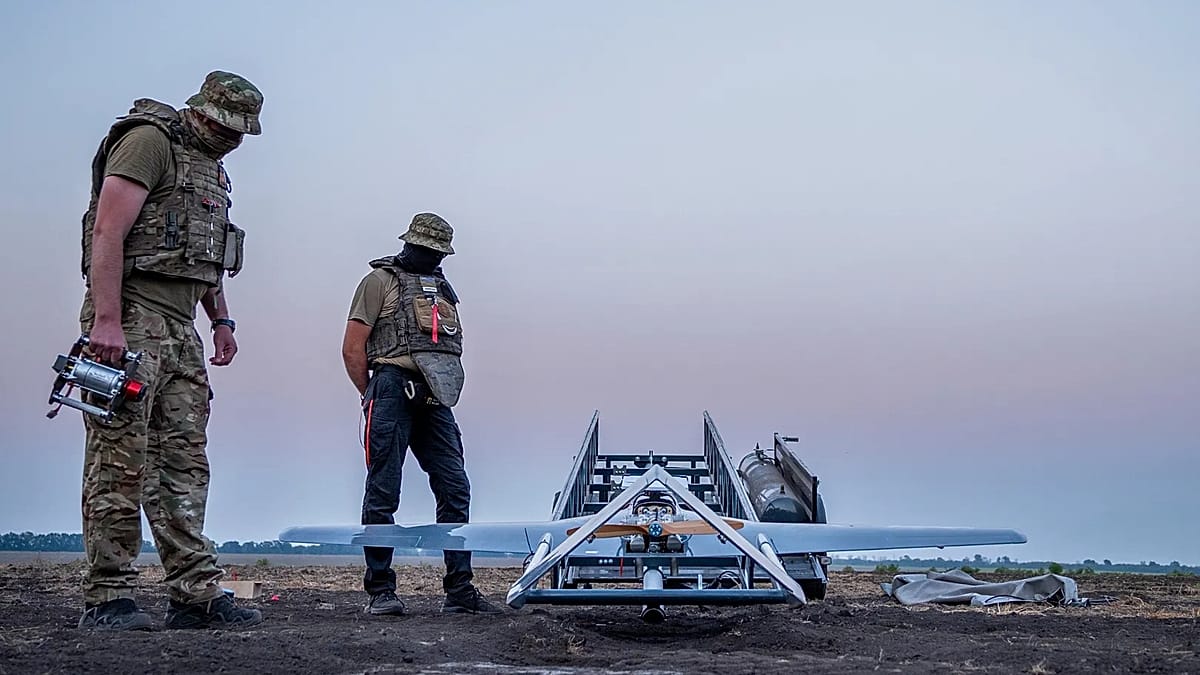
On the sanctions front, von der Leyen might announce the next package against Russia, even as member states struggle to agree on new sectors to target. The recent drone attack at Leipzig airport, involving a suspect who entered the Schengen area on an Italian tourist visa, has reignited calls to restrict visas for Russian tourists and ban former combatants from entering the EU. The Commission chief may use this “Leipzig momentum” to push the ban forward, despite opposition from France and Italy.
Migration: an even stricter line
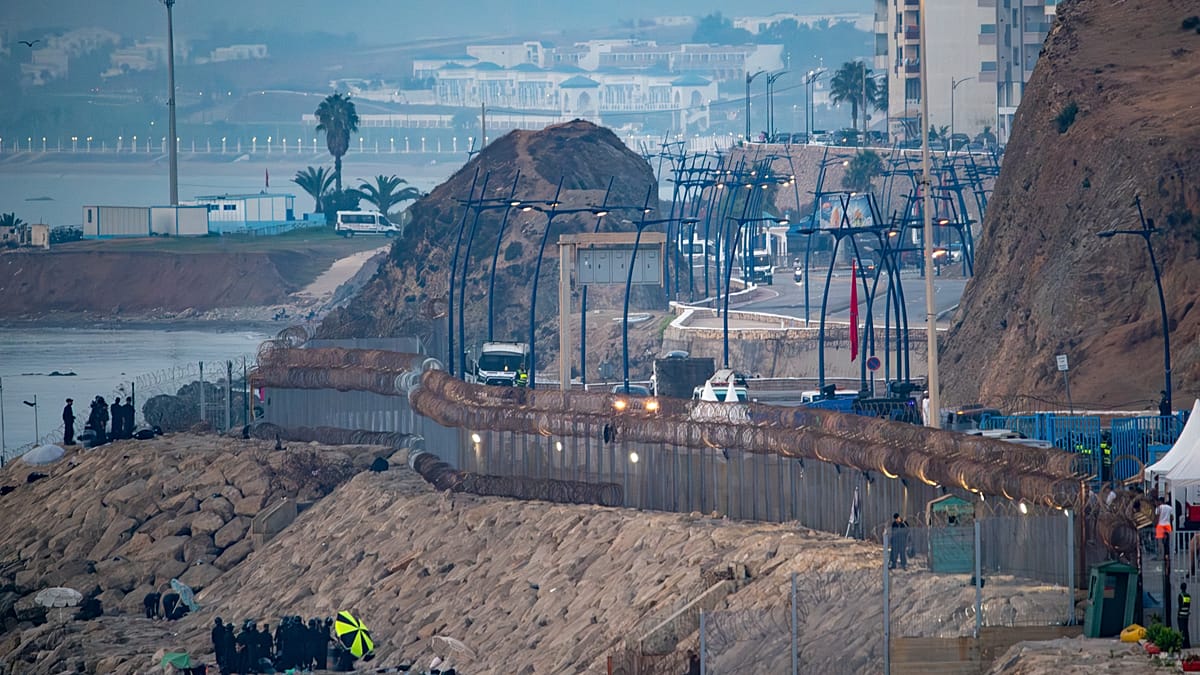
New measures to tackle irregular migration are highly likely, following a surge in arrivals at Ceuta in July that alarmed EU governments and put the Schengen area under strain.
Three options are on the table, and they are not mutually exclusive. The most disruptive would be a temporary suspension of asylum rules in cases of sudden, large-scale arrivals. Poland and Greece have already adopted similar measures, while Italy, Denmark, and Sweden favour restricting asylum rights.
A boost to Frontex is also expected, with a wide-ranging reform of the border agency’s mandate due by the end of the year. Von der Leyen, who pledged two years ago to triple Frontex’s staff, could announce a greater role for the agency in deporting irregular migrants and monitoring migration routes beyond Europe’s borders.
Less expected would be a pledge to use EU funds to finance the controversial “return hubs” — deportation centres in non-EU countries where rejected asylum seekers could be sent. Currently, national governments are expected to fully finance the hubs, but a European solution to partially cover costs cannot be ruled out, as most member states support the scheme.
Enlargement: reform before expansion?
Enlargement — or “reunification,” as von der Leyen called it last year — is at a crossroads. Montenegro, Albania, Moldova, and Ukraine are all making progress on their accession paths, but questions are growing about how an expanded Union would function and whether candidates should receive early benefits to keep them engaged.
These issues will be addressed in the upcoming pre-enlargement policy review, due at the end of the month. Von der Leyen might, however, have kept some surprises for the speech itself.
As the Commission president prepares to deliver her final State of the Union before next year’s European elections, the stakes are high. Her past promises have had mixed results, and this year’s address will be scrutinised for both ambition and feasibility.
With the war in Ukraine continuing and cross-border tensions rising, von der Leyen’s words will be watched closely in Kyiv, Moscow, and across European capitals. Whether she can deliver on her pledges remains to be seen.