Munich is set to become the first city in the European Union to host Waymo's driverless taxi service. Alphabet's autonomous driving subsidiary announced on Wednesday that it will begin public robotaxi operations in the Bavarian capital towards the end of 2026, marking a significant step for the company's international expansion.
Until now, Waymo has operated its self-driving taxis only in the United States, London, and Tokyo. Munich will be its fourth market worldwide and its first within the EU's 27-member bloc. The company says its vehicles have completed more than 20 million paid journeys and covered over 350 million kilometres without a human at the wheel.
Mapping Munich's streets
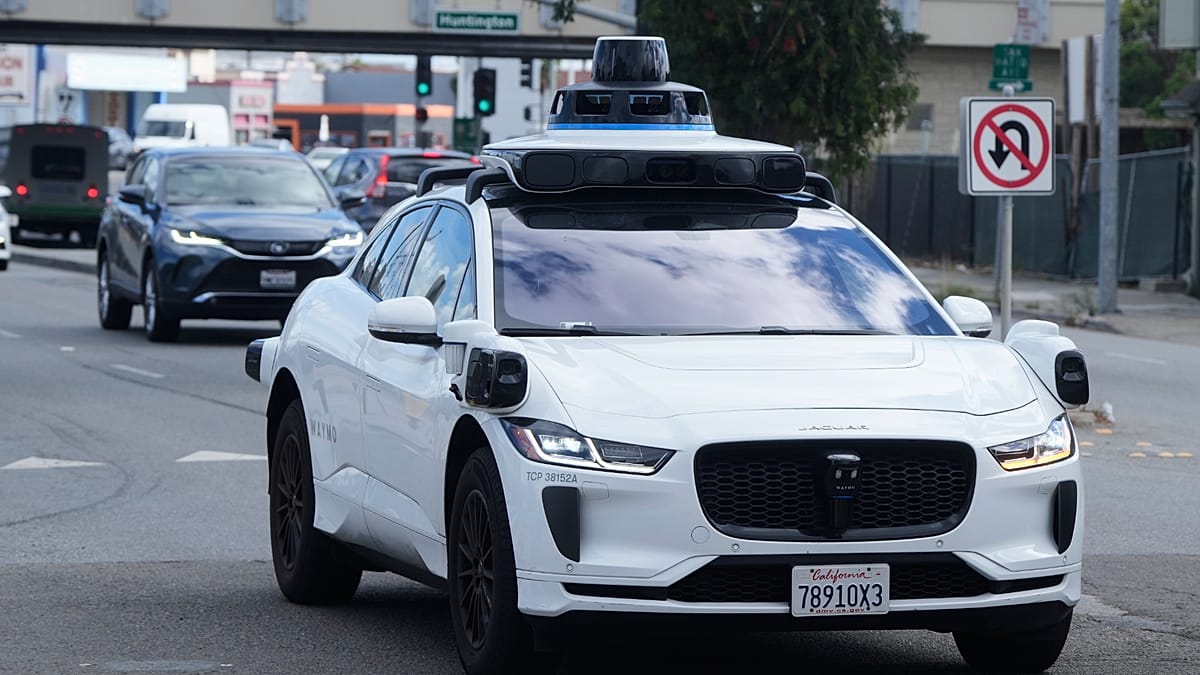
In the coming weeks, Waymo's electric Jaguar I-Pace vehicles will appear on Munich's roads, but they will be driven manually during the initial phase. Specially trained professionals will map the road network and conduct test runs to adapt the Waymo Driver system to the specific characteristics of Munich's traffic, including its narrow lanes, tram tracks, and dense cycling infrastructure.
Waymo co-chief executive Tekedra Mawakana called Munich "one of the absolute top locations worldwide for mobility and technology," adding that joining the city is "an important step in expanding our global presence." She stressed that earning the trust of local residents is a top priority as the service is prepared for launch, and announced plans to create highly qualified jobs in the region.
The company will start with a small initial fleet of upgraded Jaguar I-Pace models, according to Business Insider. Waymo still needs regulatory approvals from Germany's Federal Motor Transport Authority and local authorities before the driverless service can go live.
One open question is how the cars will cope with Bavarian winters. Snow and ice remain among the toughest conditions for autonomous vehicles, as Waymo co-CEO Dmitri Dolgov has acknowledged. In US cities with harsh winters, the company still keeps safety drivers on board for that reason.
During test operations in London in June, residents complained about noise pollution, with media reports describing the cars frequently and noisily shunting back and forth while mapping streets. Waymo will need to address similar concerns in Munich, where residential areas are close to the city centre.
Germany's legal head start
Germany has had legislation permitting driverless vehicles in everyday road traffic since 2021, a framework that Bavarian economy minister Hubert Aiwanger hailed as a "milestone" for the state. Christian Hirte, parliamentary state secretary at the federal transport ministry, said autonomous driving will shape the future of mobility and that Germany wants to become a leading global hub for developing and producing the technology.
"Our ambition must be that these technologies are not only used in Europe, but also developed and operated here," Hirte said, pointing to the existing legal framework as a competitive advantage.
Waymo is not the only player eyeing Munich. In June, ride-hailing giant Uber and Israeli AI firm Autobrains announced a joint robotaxi programme in the city, citing its dense urban infrastructure, proximity to major carmakers, and Germany's legal conditions. Unlike Waymo, the Uber-Autobrains partnership is building software that can work across multiple car brands. Meanwhile, Volkswagen is running an autonomous vehicle project in Hamburg, though those cars still have safety drivers on board.
Waymo's entry into Munich comes as Europe's autonomous driving sector gains momentum. The company's choice of Munich underscores the city's role as a mobility and technology hub, and its success will depend on navigating both regulatory hurdles and the practical challenges of operating in a dense European urban environment.