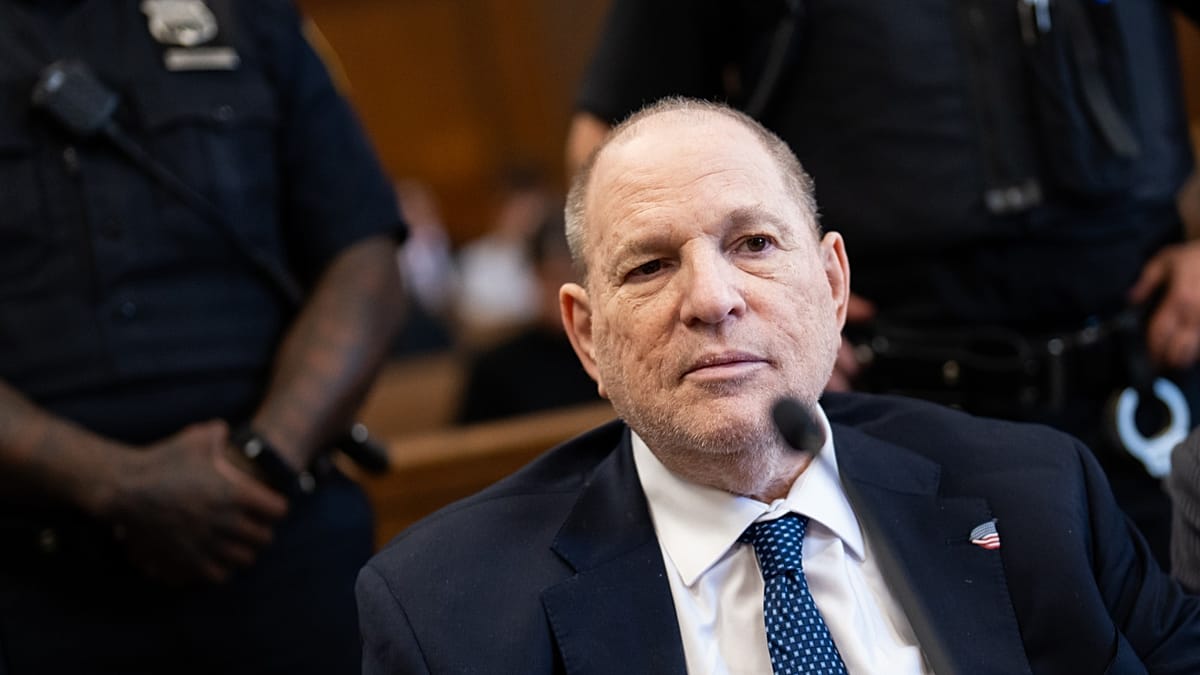
Harvey Weinstein, the once-dominant film producer whose downfall helped spark the global MeToo movement, is set to receive a new sentence in a New York courtroom on Wednesday for sexually assaulting a former production assistant in 2006. The 74-year-old, who has been held in a New York jail, was convicted by a jury in 2025 after a retrial, overturning his earlier 2020 conviction on appeal.
Weinstein faces at least two decades in prison for forcibly performing oral sex on Miriam Haley, one of more than 80 women who have accused him of misconduct. The original 23-year sentence was thrown out by an appeals court in 2024, citing errors in the handling of witness testimony. A new trial followed, and the jury again found him guilty.
Speaking after the verdict, Haley said the defence's tactics had been exhausting. "The victim shaming and deliberate attempts to distort the truth was exhausting and at times dehumanising," she told reporters. "But today's verdict gives me hope, hope that there is new awareness around sexual violence and that the myth of the 'perfect victim' is fading."
Weinstein, who once ruled Hollywood as a kingpin capable of making or breaking careers, has consistently denied all allegations. His health has deteriorated while in custody, and he now uses a wheelchair.
A reckoning that crossed the Atlantic
The investigations by The New Yorker and The New York Times that exposed Weinstein's behaviour triggered an avalanche of accusations and a global movement that resonated far beyond the United States. In Europe, the MeToo wave prompted similar reckonings in France, Germany, and the UK, leading to public debates about power, gender, and accountability in industries from film to politics. The case has been closely followed in European capitals, where it became a touchstone for discussions about workplace harassment and legal reform.
Weinstein's legal troubles are not confined to New York. In California, an appeals court in June upheld his 2013 rape and assault conviction but vacated his 16-year prison term, meaning he will also be resentenced there. Meanwhile, a New York judge declared a mistrial in May after jurors failed to reach a verdict on allegations that he sexually assaulted actor Jessica Mann. It was the third time Mann had testified against Weinstein; prosecutors later said they would not pursue a fourth trial in her case.
The fall from grace has been spectacular. Once a titan of independent cinema, Weinstein's productions included Pulp Fiction and Shakespeare in Love. But the revelations of his abusive behaviour led to his expulsion from the Academy of Motion Picture Arts and Sciences and a cascade of legal and professional consequences.
The case has also had a lasting impact on how European institutions and companies handle harassment complaints. In Brussels, the European Parliament has adopted stricter rules on sexual harassment, and several member states have introduced new legislation inspired by the movement. The Weinstein case remains a reference point for activists and policymakers across the continent, even as the legal proceedings continue in the United States.
For Haley, the retrial verdict was a vindication after years of legal battles. "This is not just about one man," she said. "It is about a system that too often protects the powerful. I hope this sends a message that no one is above the law."
Weinstein's lawyers have indicated they will appeal the latest conviction, arguing that the retrial was unfair. But for now, the former mogul remains behind bars, awaiting a sentence that could keep him in prison for the rest of his life.