Poland continues to trail Western Europe in both life expectancy and the number of years lived in good health, according to public health specialist Robert Mordaka. Speaking at the Economic Forum in Karpacz, Mordaka stressed that the gap is not just about living longer, but about living better.
"We are lagging behind not only in terms of average life expectancy, but also in the number of years we spend in good health. And that is a metric that really needs to be improved," he told Euronews.
Mordaka highlighted that around 60% of deaths in Poland are caused by two major disease groups: cardiovascular diseases and cancers. In both cases, prevention and earlier intervention in response to risk factors can play a crucial role.
Prevention underfunded
The problem is not solely about individual choices, Mordaka argued. The way the healthcare system operates is equally important. Poland is among the EU countries that allocate the smallest share of health spending to preventive care.
"The EU average is around 6% of health budgets, while in Poland it is just under 2%. And without funding it is impossible to reverse this trend," he said.
At the same time, many factors affecting the length and quality of life remain in patients' own hands. Mordaka pointed to the so-called Life's Essential 8 – eight areas critical to cardiovascular health. These include controlling blood pressure, blood glucose and cholesterol, maintaining a healthy body weight, getting enough sleep, eating a balanced diet, not smoking, and engaging in regular physical activity.
"These are the small, everyday choices. Do we go to the shop and buy a sugary drink, or do we buy water instead?" the expert asked.
Obesity and smoking shorten lives
Obesity is one of the biggest current threats, with studies suggesting it can shorten life by as much as 15 years. Smoking is another major factor, potentially taking several years off life expectancy depending on the number of cigarettes smoked per day and the duration of the habit.
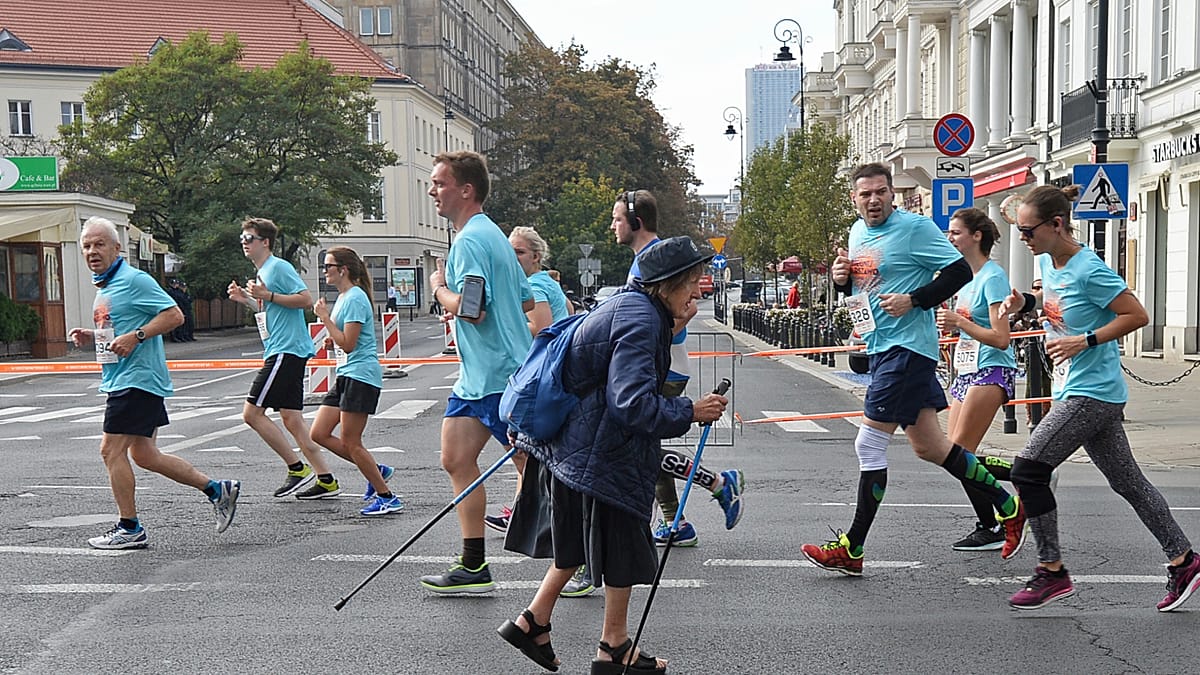
Lack of physical activity also negatively impacts longevity. Mordaka advises starting with two basic elements: reviewing your diet and increasing physical activity.
"Let's take a close look at how we eat. Let's plan a healthy plate and adapt it to our age and state of health. And the second thing: let's start moving," he urged. "Exercise is the best medicine."
According to World Health Organization guidelines, adults should engage in at least 150 minutes of moderate physical activity per week. This does not have to mean intensive workouts; brisk walking, cycling, or other moderate exercise can suffice.
Poland's health challenges are part of a broader European picture. As the country grapples with these issues, regional security concerns also draw attention, such as Sweden deploying Patriot systems to Poland to protect a key aid hub. Meanwhile, political shifts, like Kraków's mayoral runoff, indicate changing voter priorities that could influence health policy.
Mordaka's message is clear: improving longevity in Poland requires both systemic investment in prevention and a cultural shift toward healthier daily habits. The potential gains are substantial, not just in years of life, but in the quality of those years.