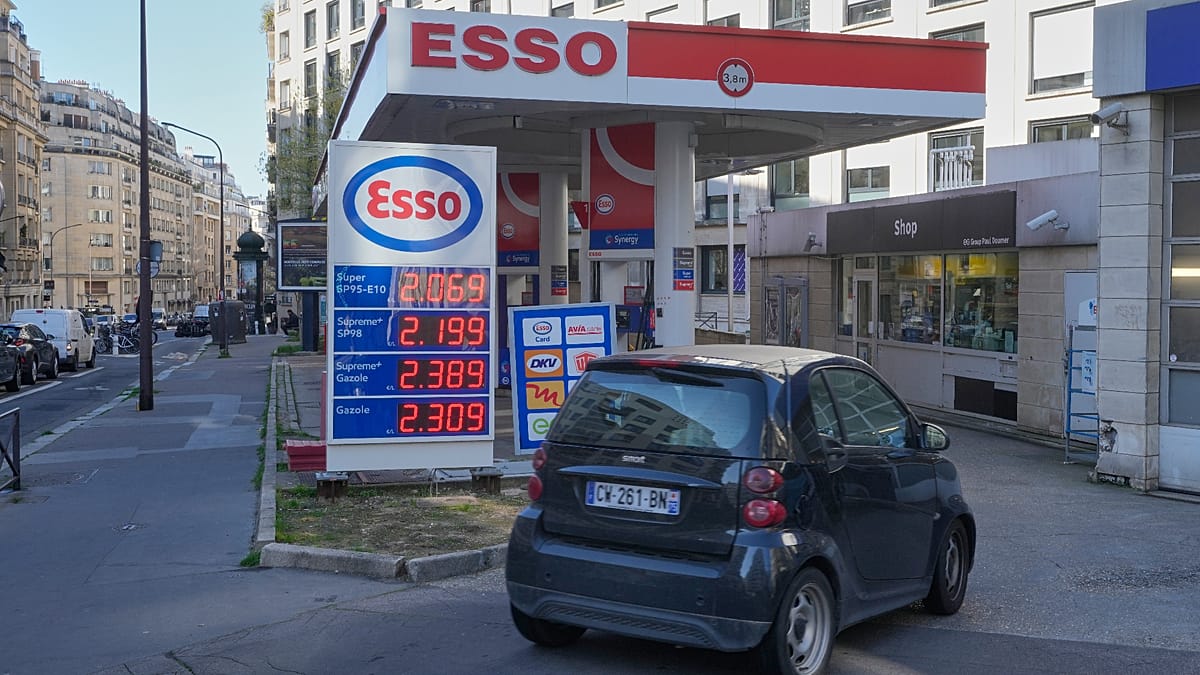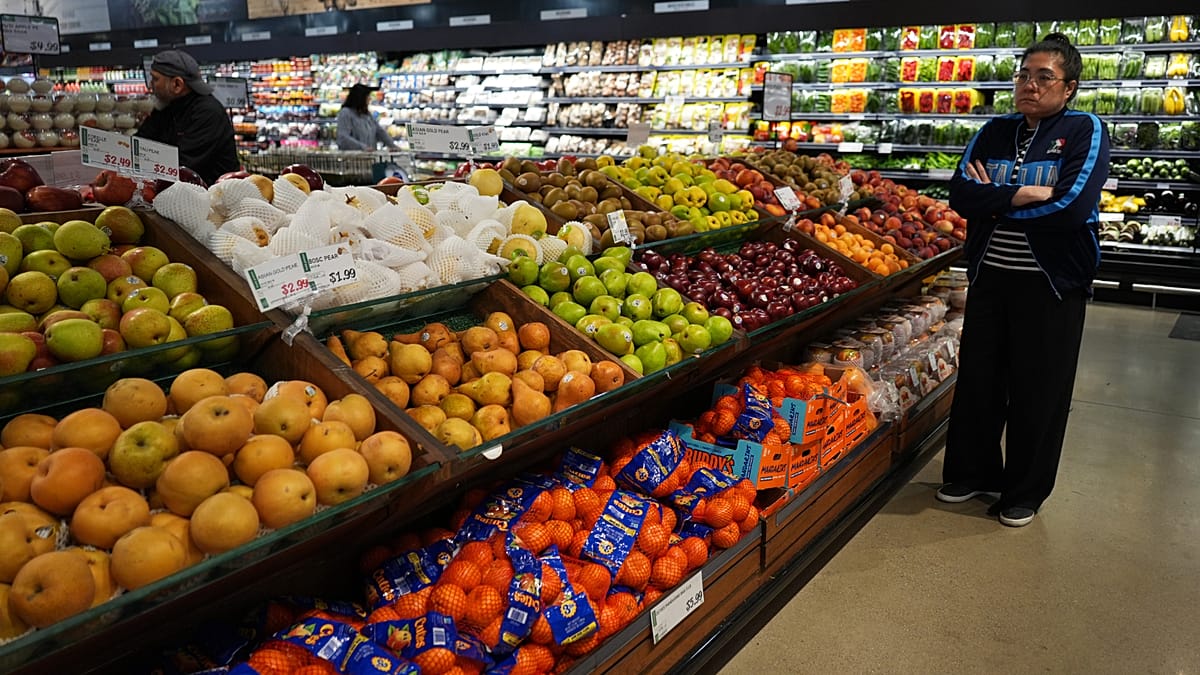
Inflation is down, the European Central Bank is largely satisfied, and the immediate economic fallout from the Iran conflict is being contained. Yet for millions of Europeans, a routine supermarket visit still feels like a small act of financial self-harm. The disconnect is not a statistical illusion—it reflects deep structural changes in how food is produced, processed, and priced across the continent.
The core misunderstanding lies in what falling inflation actually means. When Eurostat reports that food inflation has eased to 2.8%, it does not mean prices are dropping. It means they are rising more slowly. The cumulative damage from the most severe food price shock in a generation is baked into the system. Across the EU, food and non-alcoholic beverages have recorded the largest cumulative price increase of any consumer category over the past decade, rising by 33.2% between 2016 and 2025, according to Eurostat's harmonised inflation data. That surpasses energy, services, and every other basket component.
The psychological impact is amplified by frequency. The ECB's Consumer Expectations Survey finds that food prices disproportionately shape how people perceive overall inflation—precisely because shopping for food is a weekly, often daily, act. One in three eurozone consumers now worries about being able to afford the food they want.
Wage Growth: A Double-Edged Sword
Once energy and supply chain costs stabilised after the post-pandemic surge, a new pressure emerged: labour. Workers across the food supply chain—from farm labourers in Andalusia to logistics drivers in Bavaria and checkout staff in Warsaw—have secured pay rises. This is broadly a positive development for living standards, but it comes with a cost that ends up on the receipt.
ECB research on euro area food price drivers shows wages in agricultural sectors rose 6.2% year-on-year in 2022 and remained above 5% through 2023. In transportation and storage—a critical link in getting food to shelves—wages climbed 4.3% in 2022 and 6.3% during the first three quarters of 2023. Labour typically accounts for 10–15% of total costs in food manufacturing, according to ING Research. Across Europe, labour costs rose 5.1% on average in 2025, still outpacing food price inflation, as noted in McKinsey's State of Grocery Europe 2026 report. In Germany, wages rose 4.0% while food inflation sat at just 2.2%, meaning retailers absorbed part of the difference—but only part.
The ECB's own wage tracker projects negotiated wage growth will stabilise at around 2.6% through 2026, indicating this structural pressure is not vanishing, even if it is softening at the edges.
Upstream Costs Are Rising Again—and Shelves Lag Behind
Just when commodity markets began to ease, new shocks arrived. Eurostat's agricultural price data for the first quarter of 2025 shows milk up 12.6%, eggs up 10.7%, and cereals up 9.6% year-on-year. These are upstream inputs that take months to reach supermarket shelves. Meanwhile, of the 64 food items tracked by Eurostat, all but eight recorded price increases in 2025. Chocolate rose 17.8%, frozen fruit 13%, and beef and veal increased by 10%. Eggs surged 20% or more in five EU countries, including 29% in Czechia and 27% in Slovakia.
Further back in the supply chain, trouble is building again. The World Bank's April 2026 Food Security Update flagged a near 46% month-on-month spike in urea, a key fertiliser, driven by energy market disruption from the Middle East conflict. The ECB has explicitly highlighted lagged effects from past price increases in international food commodities as a reason food inflation will remain elevated into 2027, with staff projections placing it at rates somewhat above 2% through that year. Price shocks that hit farm gates in spring routinely reach consumers by autumn.
Supermarkets: Not Profiteering, but Not Absorbing Costs
The instinct to blame corporate greed is understandable and politically popular, but it does not always survive scrutiny. A peer-reviewed study published in January 2025 analysed nearly 89,000 European food and beverage manufacturers across 2013–2022 and found that price markups—the margin above marginal cost—actually decreased over the period. Meanwhile, McKinsey's 2026 European grocery report puts average EBIT margins in the sector at just 2.8%, a figure described as a pause rather than a recovery after years of compression. S&P Global analysis likewise noted that over half of rated European retailers would be unable to restore their pre-pandemic margins even by 2025.
These are not industries swimming in profit. They are industries with very little buffer. When costs rise—whether from wages, energy, packaging regulations, or agricultural inputs—there is almost nowhere to absorb them except through higher prices. The question is never really whether costs get passed on, but how quickly.
For European consumers, the outlook offers little immediate relief. The structural drivers—labour costs, commodity volatility, and supply chain lags—are not transient. As the ECB continues to monitor inflation dynamics, and as member states from Berlin to Rome grapple with the political fallout, one thing is clear: the era of cheap groceries is not coming back anytime soon.