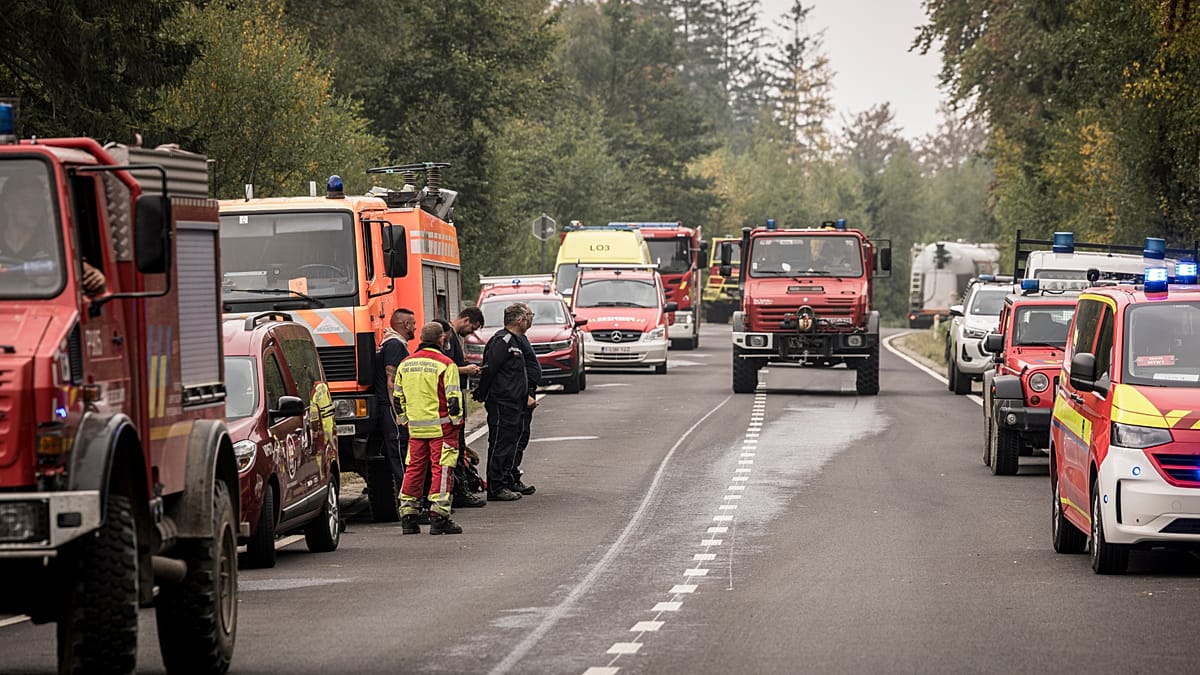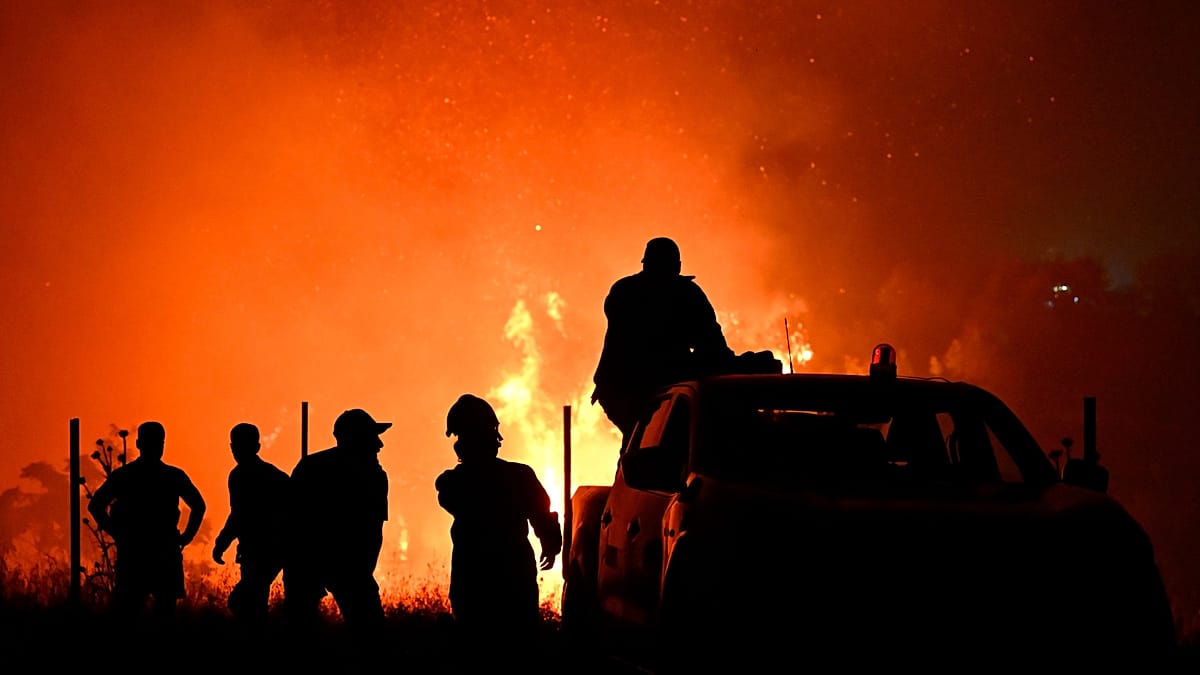
A wildfire raging in the province of Castellón, in eastern Spain, has forced the evacuation of approximately 500 residents as emergency services struggle to contain the blaze. The fire, which broke out near the town of Villanueva de Viver, has spread rapidly across the Valencia region, prompting authorities to deploy ground crews and aerial firefighting units.
The Valencian government has activated its emergency response protocols, with firefighters from multiple brigades working alongside water-dropping helicopters and planes. The flames have been fueled by dry vegetation and strong winds, conditions that have become increasingly common during the summer months in southern Europe.
Evacuations and Response
Local authorities ordered the evacuation of several small villages and rural areas as a precautionary measure. Residents were relocated to temporary shelters set up in nearby towns. No injuries have been reported so far, but officials warn that the situation remains volatile.
Spain has experienced a series of wildfires across southern Europe in recent years, exacerbated by rising temperatures and prolonged droughts. The Castellón fire is the latest in a pattern of blazes that have tested the region's firefighting capabilities.
Emergency services are coordinating with the Spanish Ministry of Ecological Transition, which has provided additional resources, including specialized firefighting aircraft. The European Union's Civil Protection Mechanism has also been placed on standby, though Spanish authorities have not yet requested international assistance.
The fire has already consumed hundreds of hectares of forest and agricultural land, threatening local ecosystems and livelihoods. The Valencian government has urged residents to remain vigilant and follow evacuation orders.
This incident comes as Spain braces for another heatwave, with temperatures expected to reach up to 44°C in parts of the country. The combination of extreme heat and dry conditions creates a high risk of further fires. Earlier this summer, Spain and Italy sent firefighting aircraft to Portugal as wildfires spread across the Iberian Peninsula.
Climate scientists have linked the increasing frequency and intensity of wildfires in the Mediterranean region to global warming. The European Commission has warned that southern Europe will face more frequent and severe heatwaves and fires in the coming decades without significant emissions reductions.
Local authorities are investigating the cause of the Castellón fire, though preliminary reports suggest it may have been sparked by human activity. In the meantime, firefighters continue to work around the clock to protect homes and critical infrastructure.
The Valencian government has set up a hotline for affected residents and is providing updates through its emergency services website. The situation is being closely monitored by the Spanish government, which has pledged support for the region.