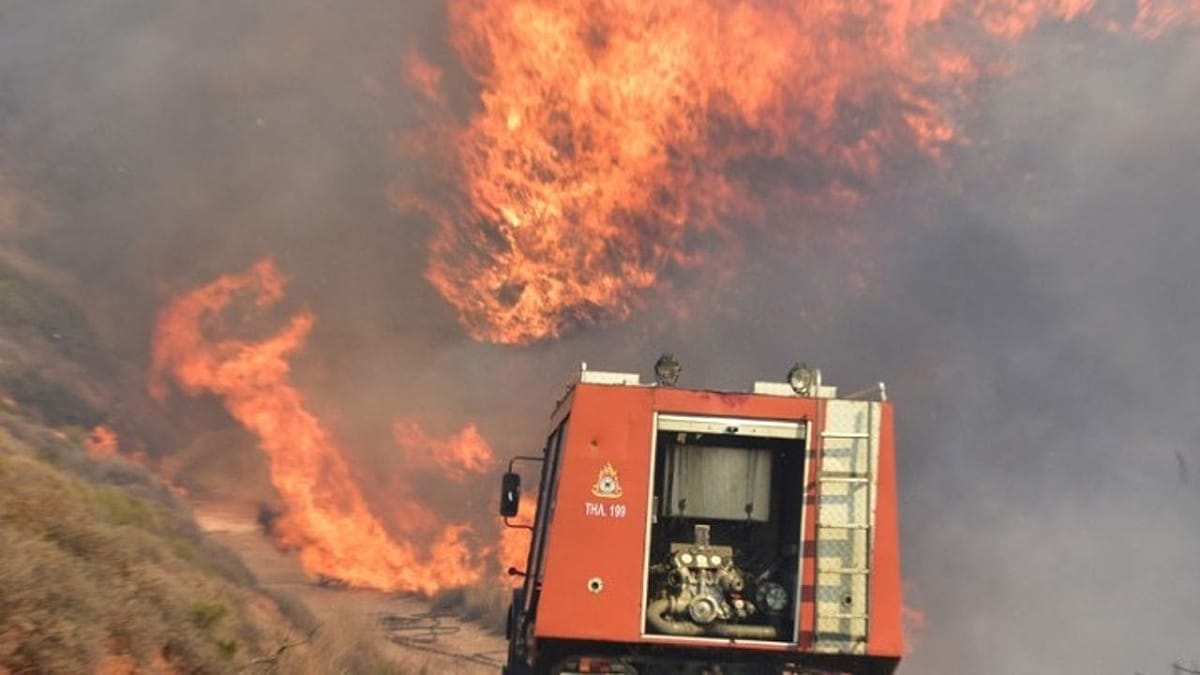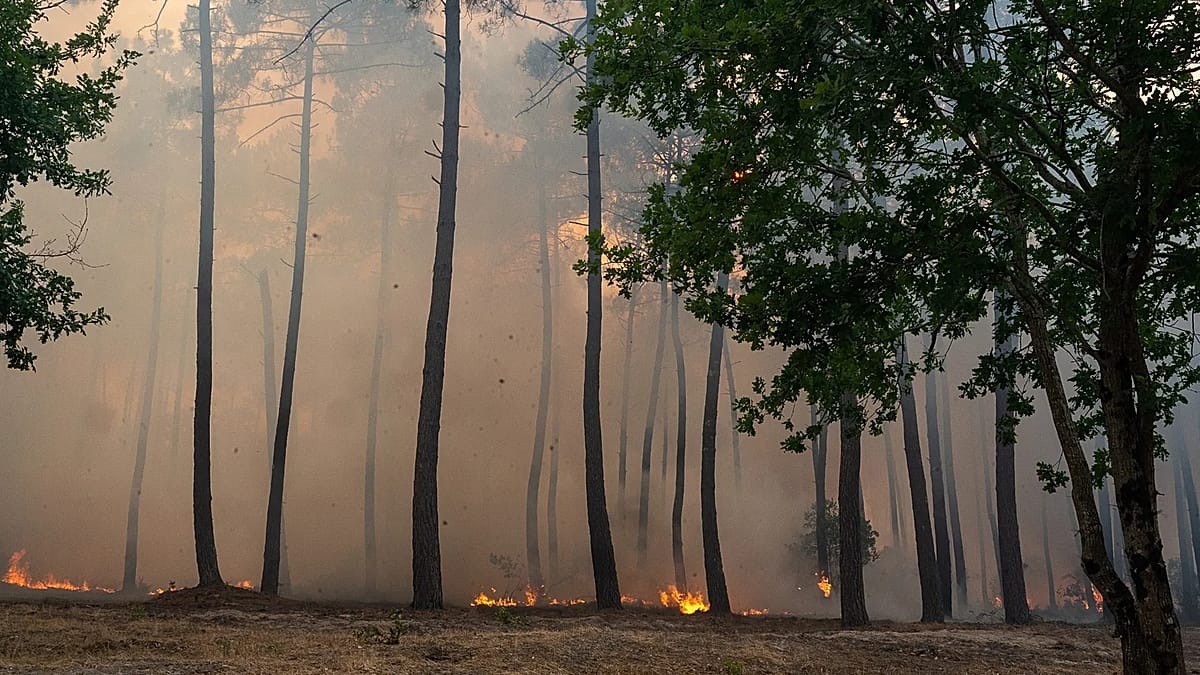
French authorities have ordered the evacuation of three suburbs of Bordeaux—Le Haillan, Eysines, and Mérignac—as wildfires continue to devastate southern Europe. The blaze, described as unprecedented, has consumed around 19,000 hectares in the Gironde department this week, forcing approximately 110,000 people to flee their homes.
The fire started in the town of Saumos on Tuesday and has since spread toward Le Porge and Lège Cap-Ferret, before advancing east toward the Bordeaux metropolitan area. Smoke from the fires in the Arcachon Basin is now visible from the city itself. Bordeaux has opened the Parc des Expositions exhibition centre to accommodate evacuees.
Two firefighters died while tackling the flames in Mérignac on Tuesday. French President Emmanuel Macron paid tribute to them on social media, writing: "I extend the nation’s condolences, gratitude and support to their families, their loved ones and the firefighters of France."
EU Assistance and International Support
France has requested assistance through the European Union's civil protection mechanism. The bloc announced on Friday that planes and helicopters from Portugal, Croatia, the Czech Republic, and Slovakia would be deployed to help. Swedish Prime Minister Ulf Kristersson also confirmed that Sweden would send firefighting aircraft as part of the programme. This coordinated response highlights the growing need for cross-border cooperation as wildfires force mass evacuations across the continent.
The fires in France are part of a broader pattern of extreme weather affecting southern Europe. In Spain, blazes continue to rage in the Madrid area and the province of Ávila, with thousands forced to leave their homes. The Spanish government has declared a national emergency over the fires threatening communities in the region. Isabel Díaz Ayuso, the president of the Community of Madrid, said on Friday that the blaze affecting the area was "the worst" in local history. Spain's Civil Guard has deployed 650 officers, 60 vehicles, and two helicopters to assist with evacuations.
The scale of the destruction has drawn comparisons to earlier disasters. Earlier this year, France's wildfires burned a record 42,000 hectares by mid-July, with two firefighters killed. The current fires in Gironde are among the most severe in recent memory, exacerbated by a prolonged heatwave that has dried out vegetation and created tinderbox conditions.
Climate scientists have warned that such extreme fire seasons are becoming more frequent and intense due to rising global temperatures. Southern Europe, in particular, is vulnerable to longer and hotter summers, which increase the risk of wildfires. The European Union has been working to improve its disaster response capabilities, but the scale of the current crisis has stretched resources thin.
As the fires continue to burn, authorities are urging residents to follow evacuation orders and avoid the affected areas. The situation remains fluid, with weather forecasts predicting little relief in the coming days. For now, the focus is on protecting lives and property, while firefighters from across Europe battle the flames.