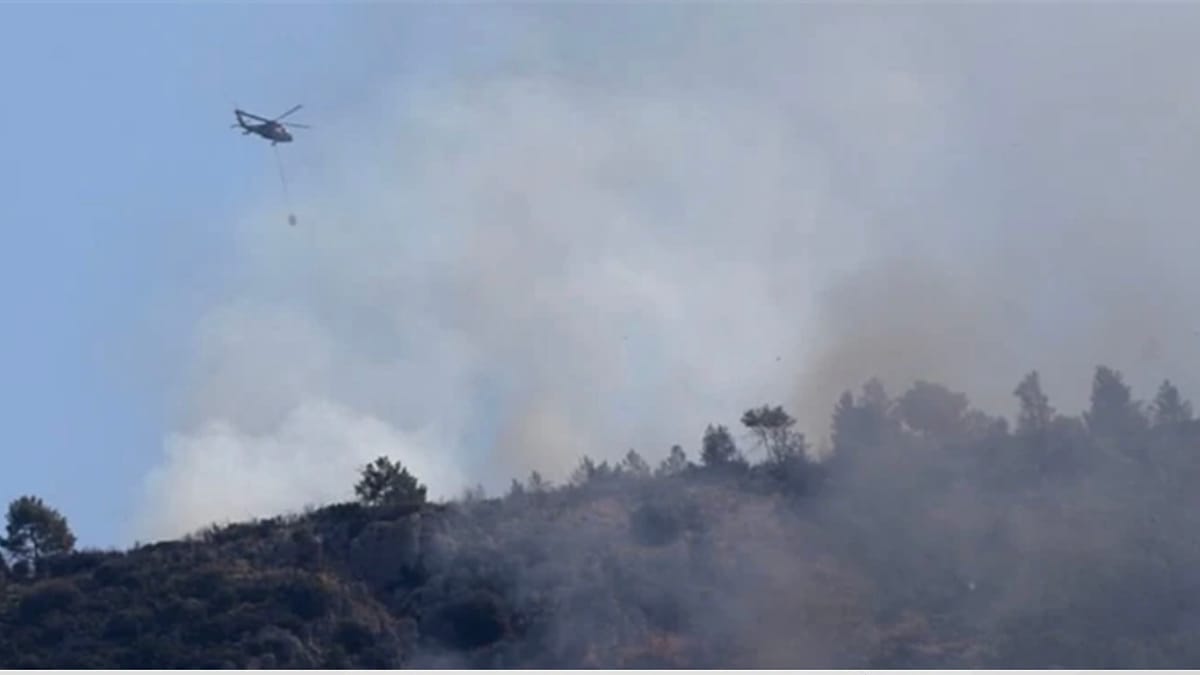
Wildfires fanned by extreme summer heat have swept through several regions along Turkey's western and southern coasts, forcing hundreds of residents and tourists to evacuate and disrupting travel. The blazes, which broke out on Wednesday, have affected six provinces, including Antalya, Muğla, and Balıkesir, areas known for their popular resorts and ancient sites.
Agriculture and Forestry Minister İbrahim Yumaklı reported that fires in Yalova's Armutlu, Kütahya's Domaniç and Altıntaş, and Çanakkale had been fully contained. However, Antalya, Muğla, and Balıkesir remained under threat as of Thursday. The UK Foreign Office, in its standing travel advice, notes that wildfires are a regular feature of Turkish summers from June to October, peaking in July and August, but has not issued a blanket warning against travel to the affected regions.
Evacuations and damage in Seydikemer
The most serious active fire is in Seydikemer, a district in the hills between Fethiye and Marmaris. The blaze started on farmland Wednesday morning and quickly spread into woodland. Forty-five patients were evacuated from the local state hospital and transferred to nearby facilities. Across six affected neighbourhoods, 408 homes were evacuated, and 703 people, along with around 100 animals, were moved to safety. Fifty-five buildings were damaged, some completely destroyed. More than 25 aircraft, 410 ground vehicles, and over 1,100 personnel were deployed to the area.
In Kumluca, a district south of Antalya city on the road toward Kaş and the Lycian coast, a fire left 10 homes unusable. Crews brought the main blaze under control but continued cooling operations on Thursday.
Balıkesir province hit by multiple fires
Five separate fires broke out in Balıkesir province, which sits between İzmir and the Dardanelles coast, on Wednesday. The most significant was in Altınoluk, a seaside town on the Aegean known for its olive groves, near the ancient site of Antandros. The fire grew rapidly in wind and threatened residential areas, prompting the evacuation of 210 homes. The Gömeç fire, in the same province, was still active on Thursday evening. Six aircraft, five helicopters, and dozens of fire trucks were deployed across the province.
Travel disruptions and closures
The Fethiye–Antalya highway was temporarily closed due to smoke from the Seydikemer fire and later reopened under controlled conditions. Access to the ancient ruins at Olympos in Antalya province was closed. Kaş, a popular diving and boat-trip destination on the Lycian coast, has an active fire in the surrounding woodland. Travellers heading to the region this week should be aware of these specific disruptions.
Turkey's Aegean and Mediterranean coasts are vulnerable to wildfire each summer. A combination of prolonged drought, temperatures regularly exceeding 40°C in July and August, low humidity, and strong seasonal winds—particularly the dry, northerly Etesian winds known as the meltemi—creates conditions in which fires can spread rapidly through pine and scrub forests. This pattern is not unique to Turkey; similar conditions have driven sixth-generation wildfires across southern Europe, from Greece to Portugal.
The fires come as Europe grapples with increasingly severe wildfire seasons, exacerbated by climate change. In recent years, blazes in Crete and Gironde have caused significant damage and loss of life. While Turkey has not declared a nationwide wildfire emergency, the current fires highlight the persistent risk along its tourist-heavy coasts.
Local authorities continue to monitor the situation, with cooling operations underway in several areas. The Ministry of Agriculture and Forestry has deployed additional resources to prevent further spread. For now, the focus remains on protecting lives, property, and the region's valuable farmland and forests.