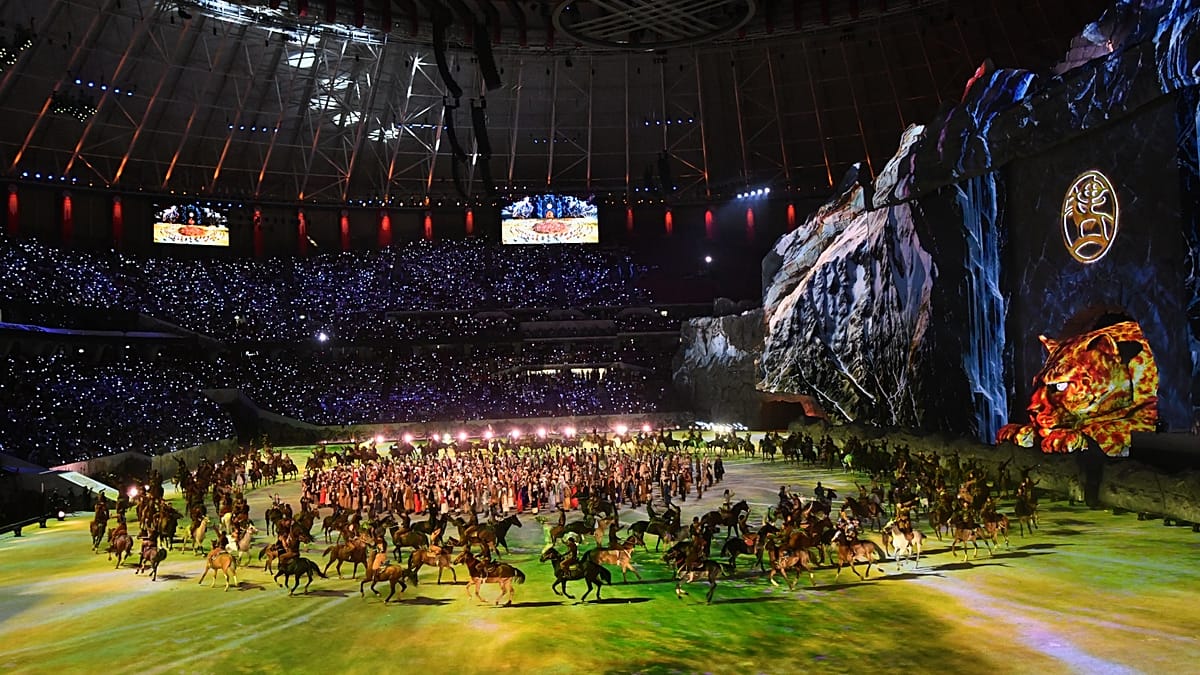
The World Nomad Games have once again turned the Kyrgyz steppe into a vibrant arena of tradition, drawing athletes from more than 90 countries to compete in sports that have been passed down through generations. Held in the Issyk-Kul region, the games are a testament to the enduring legacy of nomadic cultures across Central Asia and beyond.
A celebration of nomadic heritage
From eagle hunting to kok-boru, a fierce horseback game where riders vie to place a goat carcass in a goal, the games showcase skills that were once essential for survival on the vast Eurasian steppe. Participants from nations as diverse as Mongolia, Turkey, and the United States have gathered to honor these ancient practices, blending competition with cultural exchange.
"These games are not just about sport; they are about keeping our history alive," said a Kyrgyz organizer. "Every rider, every archer, every eagle hunter is a link to our ancestors."
The event has grown significantly since its inception in 2014, with this year's edition featuring over 2,000 athletes. Spectators have been treated to displays of traditional wrestling, horse racing, and even a form of falconry that has been practiced in the region for centuries.
Beyond the competition
The World Nomad Games also serve as a platform for cultural diplomacy. Visitors can explore yurt camps, sample traditional cuisine, and watch artisans craft goods using methods unchanged for millennia. For many European attendees, the games offer a rare glimpse into a way of life that has largely disappeared from the continent.
"It's fascinating to see how these traditions have been preserved," said a German tourist. "It makes you reflect on our own cultural roots."
The event has also drawn attention from global leaders, with several heads of state attending the opening ceremony in Bishkek, as reported earlier. This international presence underscores the games' growing significance as a bridge between nations.
A window into the past, a bridge to the future
While the games are rooted in tradition, they also look forward. Organizers have incorporated modern elements, including live streaming and digital scoring, to reach a wider audience. This blend of old and new is part of the appeal, attracting younger generations who might otherwise lose touch with their heritage.
For Kyrgyzstan, the games are a source of national pride and an economic boost. The influx of tourists and participants has revitalized local businesses, from hotels to souvenir shops. The government hopes to build on this momentum, positioning the country as a cultural hub in Central Asia.
Similar efforts to revive ancient practices can be seen elsewhere, such as the Viking anchor forging in Denmark, where craftsmen use traditional techniques to recreate historical artifacts. These initiatives highlight a broader European interest in preserving and celebrating pre-modern skills.
As the games draw to a close, participants and spectators alike leave with a deeper appreciation for the resilience of nomadic cultures. The World Nomad Games are more than a sporting event; they are a living museum, a reminder that even in a rapidly modernizing world, ancient traditions can still thrive.
For those unable to attend, the games have been broadcast internationally, allowing a global audience to witness the spectacle. The organizers are already planning for the next edition, hoping to expand further and include even more countries.
In a world where cultural homogenization is a growing concern, events like the World Nomad Games offer a vital counterpoint. They celebrate diversity and remind us of the rich tapestry of human experience that exists beyond our immediate horizons.