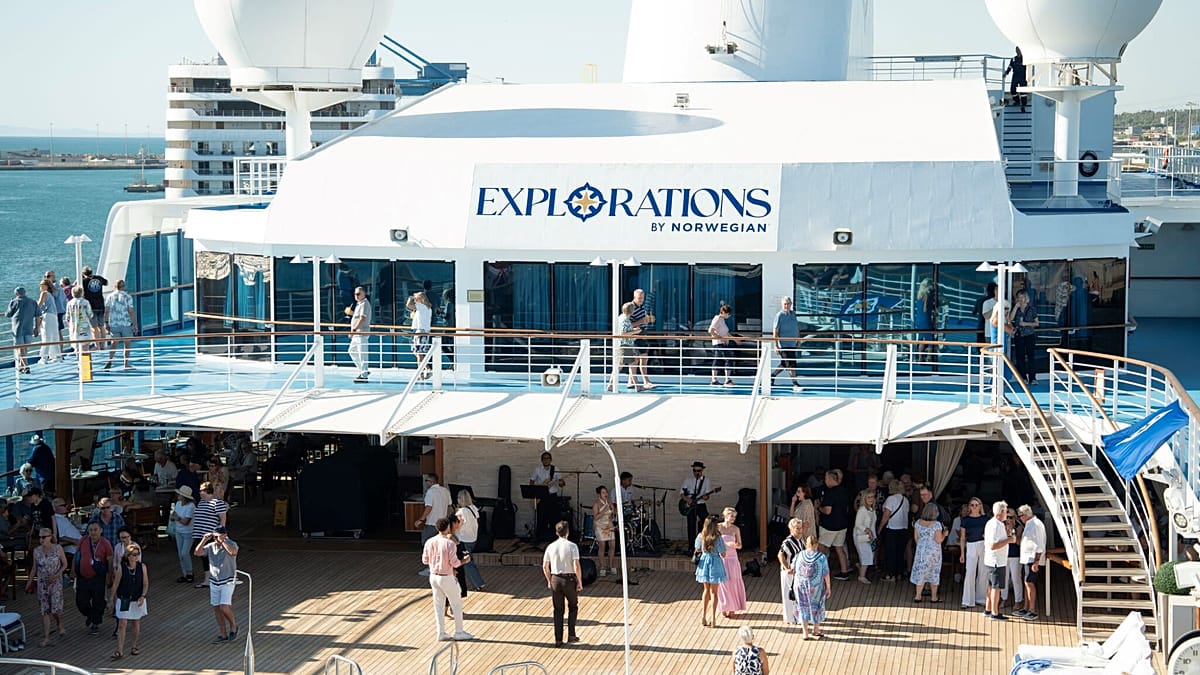
For those who find Jules Verne's Around the World in 80 Days too rushed, a new maritime marathon offers a slower, more thorough alternative. The world's longest scheduled cruise, operated by Explorations by Norwegian, has just departed from Rome's port of Civitavecchia aboard the Regatta, a 348-room vessel that will spend 371 days at sea, calling at 220 ports across 62 countries.
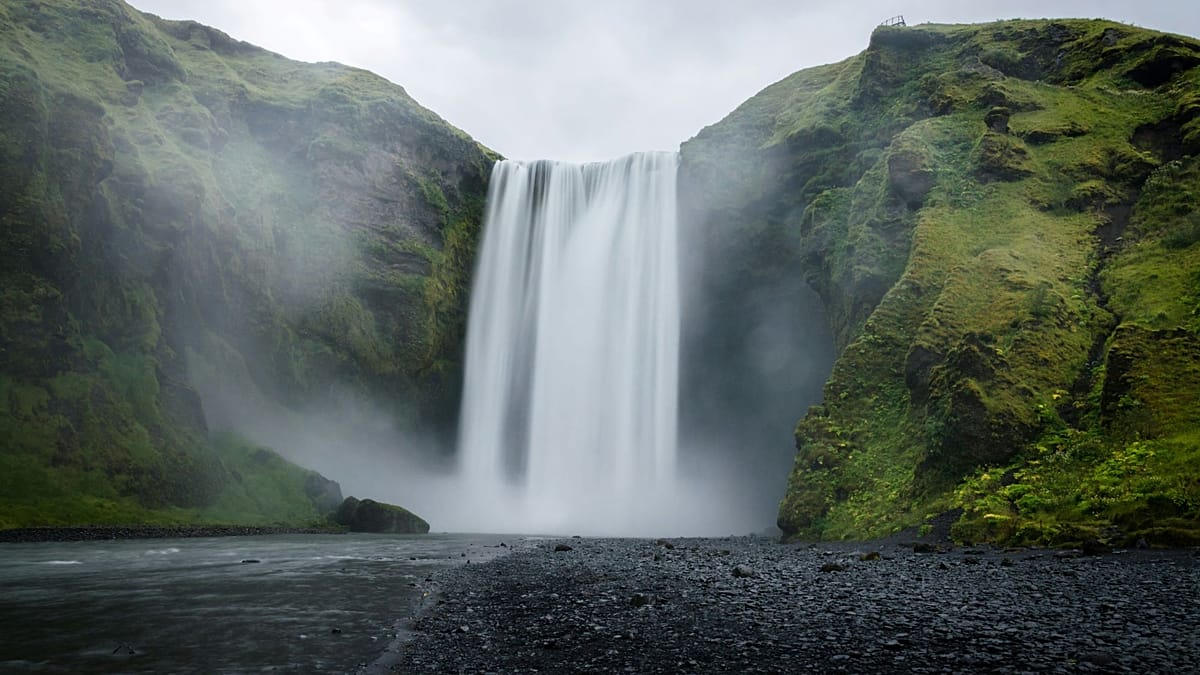
The itinerary reads like a geography textbook: from the sun-bleached cliffs of Santorini to the northern lights of Helsinki, from the volcanic archipelago of Cape Verde to the coral reefs of Zanzibar, and from the neon-lit streets of Tokyo to the dense greenery of the Amazon. In Asia, stops include Hiroshima, Jeju Island, Colombo and Malé; in the Americas, the route stretches from Alaska to the river ports of Brazil.
A second chance to circumnavigate
If you missed this inaugural departure, there is still time to join the next marathon. A 367-day voyage is scheduled to start from Australia in February, offering a similar round-the-world experience. The price for the full journey is NZD$129,990 (about €65,700) per person—a significant investment, but one that includes accommodation, meals and most onboard amenities.
For those unable to commit to a year at sea, the Regatta also offers shorter segments. A 19-night cruise around Türkiye, the Greek islands and Malta provides a taste of the Mediterranean without the long-term commitment. This flexibility reflects a broader trend in the cruise industry, where travellers increasingly seek immersive, multi-destination experiences rather than traditional point-to-point holidays.
The launch of this record-breaking voyage comes at a time when European tourism is rebounding strongly. According to recent data, Mediterranean ports are seeing near-record passenger numbers, and the demand for extended cruises has grown steadily among retirees and remote workers. The Regatta's route deliberately includes several European Union member states, from Italy and Greece to Denmark and Finland, highlighting the continent's enduring appeal as a cruise hub.
While the environmental impact of long-haul cruising remains a topic of debate, Norwegian Cruise Line has stated that the Regatta is equipped with advanced waste-treatment systems and uses shore power where available. The company has also pledged to offset carbon emissions for this voyage, though critics argue that offsets are no substitute for reducing fuel consumption.
For passengers, the appeal lies in the chance to see the world without unpacking more than once. As one traveller on the Rome departure put it, "It's not just a cruise; it's a lifestyle. You wake up in a new country every few days, but you still have your favourite chair in the lounge."
The 371-day journey will conclude back in Rome in late 2026, having crossed every ocean and touched every inhabited continent. For those who prefer their adventures on land, Europe offers plenty of alternatives—from learning holidays that combine travel with skill-building to shorter city breaks. But for the truly patient traveller, the Regatta represents the ultimate slow journey.