Luxury travel in 2027 is set to shed its flashy reputation. Instead of grand displays of wealth, discerning travellers are prioritising what money can't easily buy: quiet, privacy, and experiences that feel genuinely worthwhile.
Marie-France Perrel, Head of Business Development, Hotels at Michelin Guide, told the Euronews Travel & Tourism Summit 2026 in Brussels that luxury has fundamentally changed. “It's no longer the sort of standards of opulence that we had in mind,” she said, noting that travellers now seek properties that “offer a sense of place”.
Europe leads the destination list
According to Virtuoso's 2027 Luxe Report, which surveyed over 3,100 travel advisors in more than 50 countries, seven of the top ten global destinations are in Europe. Japan takes the top spot, followed by Italy, France, Greece, and Spain. Croatia, Portugal, and the UK also feature in the top ten, alongside South Africa and the US.
Abercrombie & Kent (A&K) suggests adding Chile's Easter Island to your 2027 list, highlighting its “open air museum” of over 1,000 moai statues and filming locations from Martin McDonagh's Wild Horse Nine. They also note that China is “firmly back on the radar” and Egypt is seeing renewed interest.
The return of the trip designer
While AI can generate an itinerary in seconds, the human travel advisor is making a comeback. Elle magazine calls them “chic again,” rebranded as “travel advisors” or “trip designers” who are active on Instagram, offering curated content and, at times, performing “miracles”. Wealthy travellers value the human touch—knowing when to go, which room to request, and which restaurants live up to the hype—something algorithms can't replicate.
Privacy as the ultimate luxury
In an era of hyper-connectivity, privacy is a top priority. Virtuoso's report notes that with social media turning destinations into overcrowded spots overnight, privacy means “avoiding the queues and camera clicks, while being able to move through the world with minimal friction”. Sherif Khalil, writing on A Luxury Travel Blog, calls privacy “the new luxury,” saying travellers want it “more than prestige”. He adds: “Nowadays privacy might just mean having a museum to yourself before the doors officially open. Sailing out quietly instead of queueing on a dock. Taking your time over breakfast instead of clock-watching for whatever's next on the schedule. Honestly, it might be the rarest thing money can buy.”
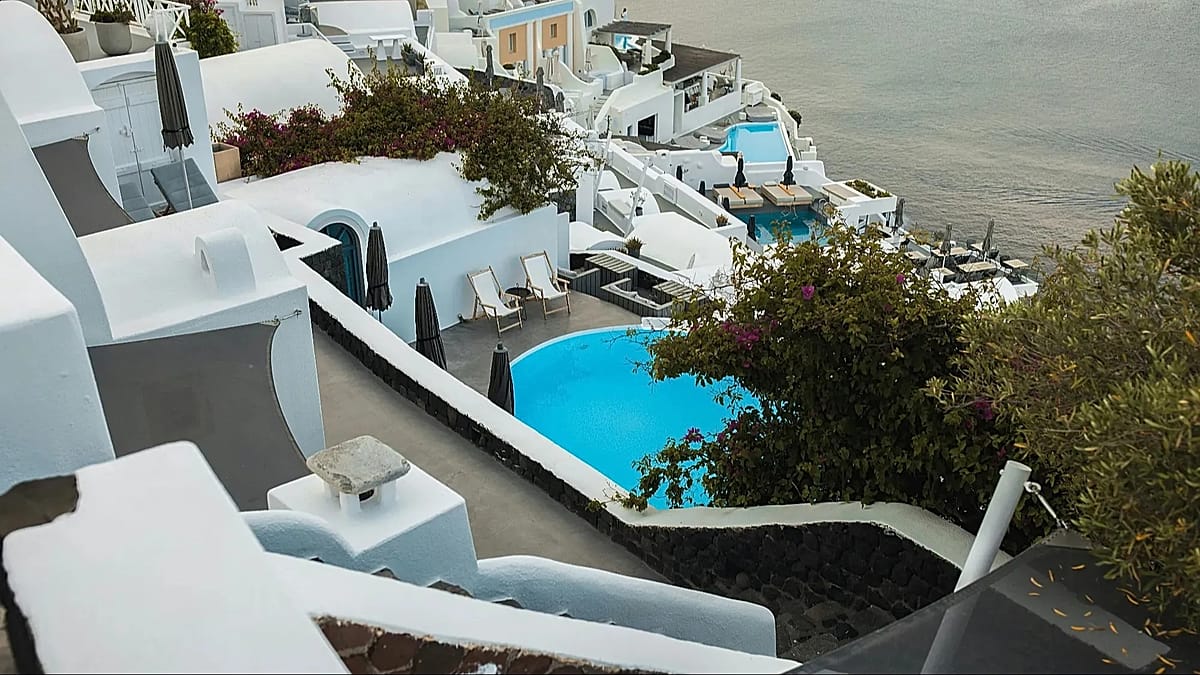
One practical way to secure privacy is booking a holiday villa instead of a hotel. Villas offer private amenities and no fixed meal times, a stark contrast to hotel schedules.
Airport lounges without the airport
Privacy also extends to air travel. DiamondAir has launched a private, remote check-in lounge minutes from London Heathrow. “The Lounge” offers á la carte dining, a wellness area, and runway views. For departures, guests can check in and have their luggage pre-collected; for arrivals, they can relax and use concierge services.
Elevated in-flight dining
Airlines are making food a central part of the journey. Singapore Airlines will unveil its latest in-flight dining experience across Suites, First, and Business Class this November, featuring over 100 new dishes developed with in-house and guest chefs, served on new serviceware with the brand's batik motif.
Slow luxury and wellness
Given the anxiety of recent years, slow travel and wellness are gaining traction. Nervous system-regulating getaways are predicted to be popular in 2027. This aligns with broader trends like wellness retreats in the Algarve and the rise of historic travel odysseys. Even Booking.com's prediction of 'plot twist trips' suggests travellers are seeking the unexpected.
As luxury evolves, the focus is on intentionality. Whether it's a private villa, a remote lounge, or a slower itinerary, the discerning traveller in 2027 will value experiences that offer meaning and peace over mere extravagance.