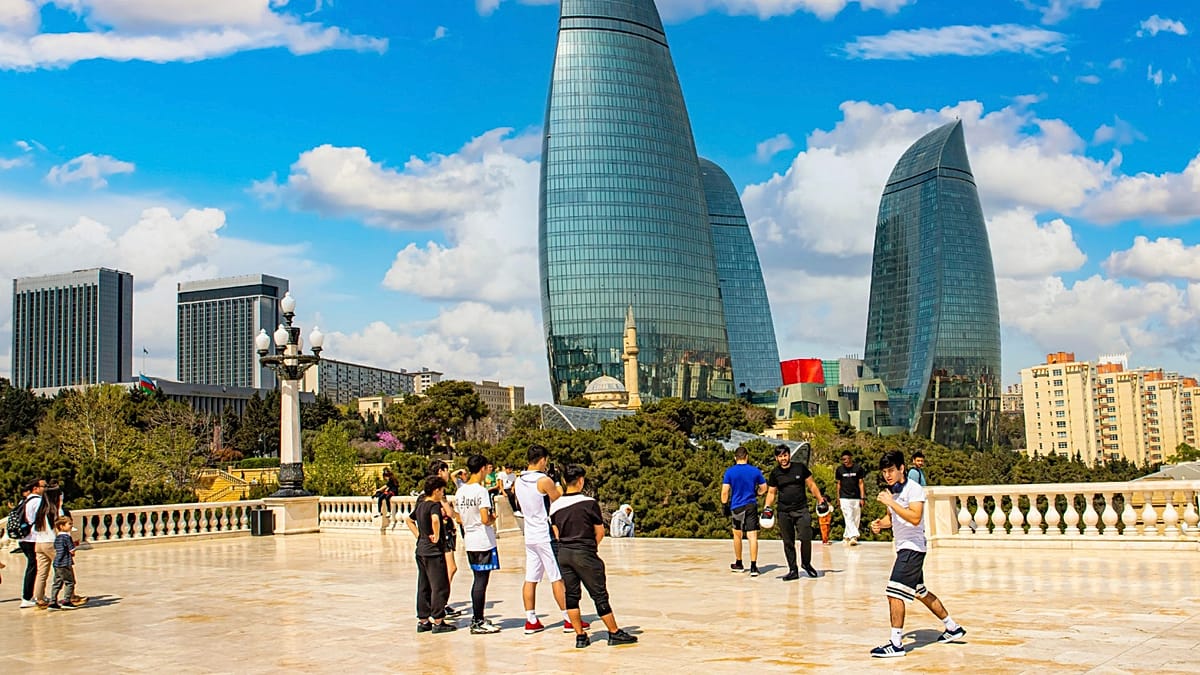
More than 28,000 participants are expected in Baku, Azerbaijan, from 17 to 22 May for the 13th session of the World Urban Forum (WUF13), the United Nations’ premier conference on sustainable urbanisation. Organised by UN-Habitat, the event arrives as the agency warns that at least 3 billion people worldwide lack adequate housing, and over 1 billion currently live in slums or informal settlements. Without decisive intervention, UN-Habitat projects that slum populations could triple by 2050, reaching 3 billion.
The scale of this crisis extends beyond humanitarian concern. It is increasingly understood as an economic, political, and environmental challenge. Housing costs have quadrupled since 2010, and one in five households globally now spends more than 40% of its income on shelter. Over 300 million people are homeless, and more than 100 million are displaced by conflict, instability, and climate-related disasters. The COVID-19 pandemic further exposed the link between housing, public health, and economic resilience, reshaping national policies across Europe and beyond.
Why the World Urban Forum matters for Europe
For European readers, the forum’s discussions carry direct relevance. European cities—from Berlin to Barcelona, Warsaw to Vienna—face mounting pressure from population growth, migration, rising living costs, and climate adaptation. The EU’s Sustainable Development Goal 11 explicitly targets inclusive, safe, resilient, and sustainable cities. Yet many European capitals struggle with affordable housing shortages, gentrification, and ageing infrastructure. The forum offers a platform for exchanging practical solutions, as Anna Soave, Head of UN-Habitat’s Country Office in Azerbaijan, noted: “The housing question is increasingly understood as inseparable from the future of our cities, climate resilience, social-economic prosperity and quality of life.”
WUF13 brings together governments, mayors, urban planners, academics, businesses, and civil society. The theme this year is “Housing the world: Safe and resilient cities and communities.” Sessions will focus on social housing, land rights, finance, informal settlements, climate resilience, flood protection, digital urban planning, and public transport integration. For European policymakers, these topics align with ongoing debates about the European Green Deal, urban mobility, and social cohesion.
Dr Thomas Kovári, founding partner at Swiss architecture firm SA partners, highlighted Baku as a fitting host: “Baku is a city that embodies the opportunities and challenges faced by urban professionals around the world, such as rapid modernisation alongside heritage preservation, and innovation alongside cultural continuity.” He pointed to Azerbaijan’s reconstruction in the Karabakh region as a case study in “building back better,” combining sustainability, affordable housing, and smart city principles. This experience will be discussed during a dedicated side event on post-conflict urban transformation.
Hosting WUF13 also positions Azerbaijan as a regional hub for global gatherings. Adil Mammadov, CEO of the WUF13 Azerbaijan Operations Company, said the event “shows the level of trust placed in Azerbaijan by international partners such as UN-Habitat and highlights the country’s growing role as a regional hub for large-scale global gatherings.” For Europe, this underscores the importance of engaging with the wider continent, including the Balkans, the UK, Switzerland, and Norway, in shaping urban policy.
UN-Habitat reports that its programmes have helped more than 41 million people move out of slum-like conditions between 2020 and 2025, while millions more gained access to clean water, safe public spaces, and secure land tenure. The agency advocates a “twin-track” approach: upgrading existing informal settlements while expanding affordable housing supply. European cities can learn from these models, particularly as they grapple with integrating migrants and addressing housing inequality.
As the forum opens, the message is clear: housing is not a standalone issue but a linchpin for sustainable development, climate action, and social stability. For Europe, which claims all top 10 spots in the 2026 Global Walking Cities Ranking, urban design and walkability are already strengths. Yet the continent must also confront its own housing challenges, from soaring rents in Paris to overcrowding in London. The World Urban Forum in Baku provides a rare opportunity to share best practices and forge partnerships that can shape the future of cities across the continent and beyond.