As a punishing summer heatwave continues to grip Europe, a massive wildfire in northern Greece forced hundreds of tourists to evacuate by sea, while blazes in Croatia, France and the UK stretched firefighting resources to their limits. The incidents have renewed questions about the continent's ability to cope with increasingly frequent and intense heatwaves.
Greece: wall of fire hits Halkidiki
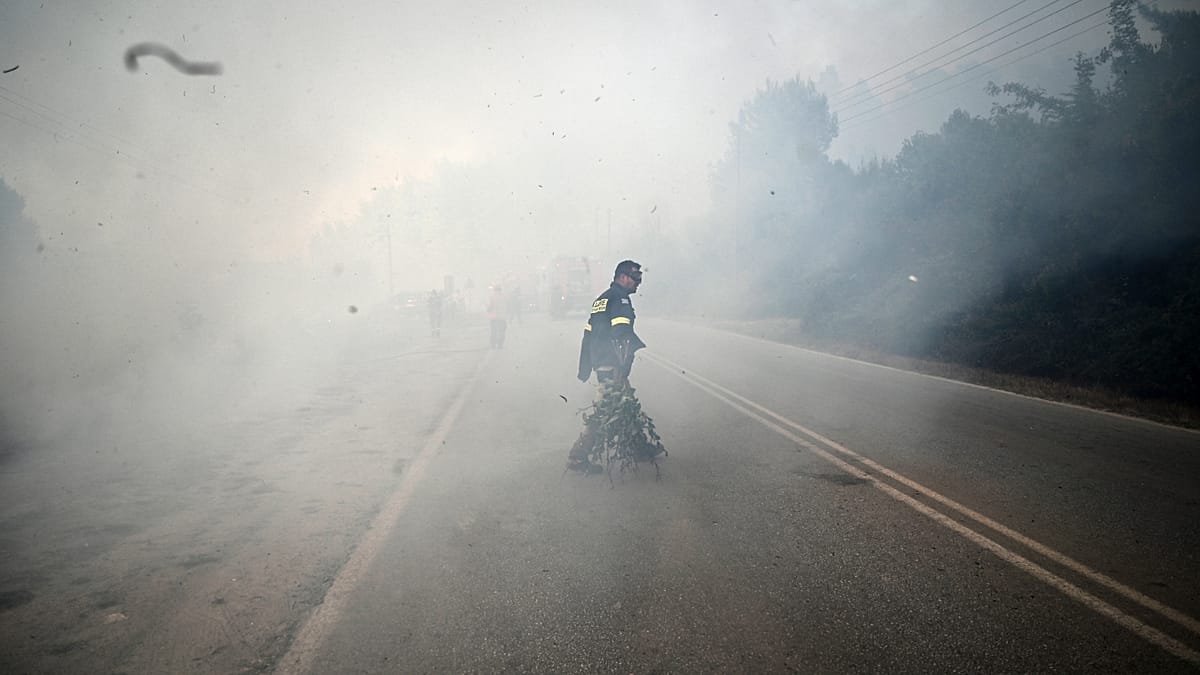
On the Halkidiki peninsula, south of Thessaloniki, a wall of flames up to three kilometres wide and 30 metres high bore down on the resorts of Siviri and Fourka, packed with summer visitors. More than 200 firefighters, supported by water-bombing planes and helicopters, battled for hours to contain the blaze. With roads deemed too dangerous for evacuation, officials sent around 500 tourists onto small boats, coast guard vessels and fire brigade craft, including roughly 200 who were taken to a ship waiting offshore. Cars attempting to flee by road were caught in gridlock.
Local homeowner Sophia told AFP: "We are on the beach and looking for a way to get away," adding that flames had already reached houses in the town. Two firefighters were hospitalised, and authorities banned public access to the region's pine forests as forecasters warned of winds up to 100 km/h. The fire was later brought under control, though crews remained on alert for flare-ups.
Greece remains under its highest wildfire alert nationwide, still reeling from a blaze near Athens earlier this month that killed two helicopter crew members and burned 110 square kilometres of forest. The country has also seen a surge in West Nile virus cases, adding to the strain on public services.
Croatia: coastal town evacuated
In Croatia, more than 150 firefighters battled a blaze that swept quickly from a pine forest into the tourist town of Lokva Rogoznica, destroying homes and vehicles. At least 1,000 displaced residents were sheltered in a sports hall in nearby Omis, and a coastal road was closed, causing long queues of traffic. Croatia's fire chief, Slavko Tucakovic, warned of a "difficult night ahead" as reinforcements were called in, with four Canadair water-bombers grounded until dawn. Officials said strong winds had driven the fire's spread and that some residents suffered burns. The fire followed a separate blaze on the island of Brac brought under control a day earlier, amid a heatwave that set record coastal temperatures.
France: multiple fronts and a teenager detained
Météo France placed four departments under its highest wildfire alert on Friday, warning that weather conditions make the risk of fires starting and spreading "very high compared with summer norms." Overnight, firefighters brought the Aude blaze near Carcassonne under control after saving 73 homes, while the Pas-de-Calais fire near Mont-Frieux remained active into Friday morning. With the heatwave persisting, authorities across France are urging continued vigilance heading into the weekend.
In a separate development, a 15-year-old has been placed under formal investigation and held in juvenile detention over a forest fire near Bordeaux airport that killed two firefighters trapped in their truck on 21 July. The deaths, along with that of a volunteer firefighter in southeast France, have angered fire unions, whose representatives met Interior Minister Laurent Nunez this week but said his commitments fell short, threatening strike action in September over inadequate resources.
UK: fires in the Midlands
In the UK, a wildfire with multiple points of origin tore through homes near Stourbridge on the region's hottest day of the year, damaging at least six properties and forcing evacuations. Three firefighters and a child were hospitalised, while six others were treated for smoke inhalation. West Midlands' Chief Fire Officer Simon Tuhill called it "one of the most significant incidents" the service had ever attended, blaming rapid spread on "tinder-dry" conditions.
Europe's firefighting capacity under scrutiny
The simultaneous blazes across the continent have highlighted the strain on national fire services, many of which are not equipped for the scale of wildfires now seen in southern and even northern Europe. As repeated heatwaves strain water, health and the economy, experts are calling for greater investment in firefighting infrastructure and cross-border cooperation. Some countries are already innovating: Swiss ski resorts are repurposing snowmaking pipes to fight wildfires, a sign of the creative solutions needed to adapt to a hotter continent.
With forecasts of more extreme heat in the coming weeks, the pressure on Europe's fire services is unlikely to ease. The question is whether the continent can learn from this summer's fires and build a more resilient response before the next heatwave hits.