Greek health authorities are grappling with a significant West Nile virus outbreak this summer, as new data from the National Public Health Organization (EODY) reveals a sharp rise in infections, particularly in the Attica region surrounding Athens.
According to EODY's weekly epidemiological report, up to 12 August 2026, a total of 110 domestically acquired cases have been laboratory-confirmed. Of these, 81 involved severe manifestations affecting the central nervous system (CNS), including encephalitis, meningitis, and acute flaccid paralysis, while 29 cases were milder or showed no CNS involvement.
The pace of new infections is alarming: 45 new domestic cases were reported in the last week alone, accounting for a substantial share of the season's total. This surge has put hospitals under strain, with 35 patients currently admitted—19 in regular wards and 16 in intensive care units.
Fatalities and vulnerable groups
Tragically, nine patients have died, all over the age of 65, with a median age of 82. The median age for those with CNS manifestations is 73, though cases range from 19 to 91 years old, underscoring that younger adults are not immune to severe illness.
EODY stresses that the official case count likely represents only a fraction of actual infections. A 2010 seroepidemiological study suggested that for every CNS case, there are approximately 140 infected individuals, many of whom remain asymptomatic or experience mild symptoms. This implies the virus is circulating far more widely than the numbers suggest.
Attica at the epicentre
The geographical distribution is striking, with Attica bearing the brunt of the outbreak. Cases have been recorded across 39 municipalities in 14 regional units, spanning four regions: Attica, Thessaly, Central Macedonia, and the Peloponnese. In Attica, affected areas include East Attica and the North, West, Central, and South sectors of Athens, as well as Piraeus.
East Attica is particularly hard-hit. The municipality of Spata-Artemida reports 11 CNS cases and two milder ones, while Markopoulo Mesogaias has eight CNS cases and three milder. Vari-Voula-Vouliagmeni, Pallini, Agia Paraskevi, and other municipalities also show significant numbers. The incidence rate in Markopoulo Mesogaias reaches 36.8 CNS cases per 100,000 inhabitants, and in Spata-Artemida, 31.5 per 100,000.
EODY has also identified additional 'high-risk' municipalities with no human cases yet, based on proximity to affected areas and geomorphological factors. These include Kifisia, Iraklio, Filothei-Psychiko, Metamorfosi, Kallithea, Nea Smyrni, Nea Filadelfeia-Nea Chalkidona, Dafni-Ymittos, as well as Amfipoli in Serres, Naousa in Imathia, and Delta in Thessaloniki.
Veterinary surveillance adds another layer of concern: recent West Nile infections in equines have been detected in East Attica, Drama, Preveza, and the Thessaloniki metropolitan unit, indicating the virus's wider geographical reach.
As Greece battles this outbreak, the focus remains on mosquito control and public awareness. The situation echoes previous years, but the intensity in Attica is notable. For context, the country has faced similar challenges before, and the return of Greek athletes from Paris offers a lighter note, yet the health crisis demands serious attention.
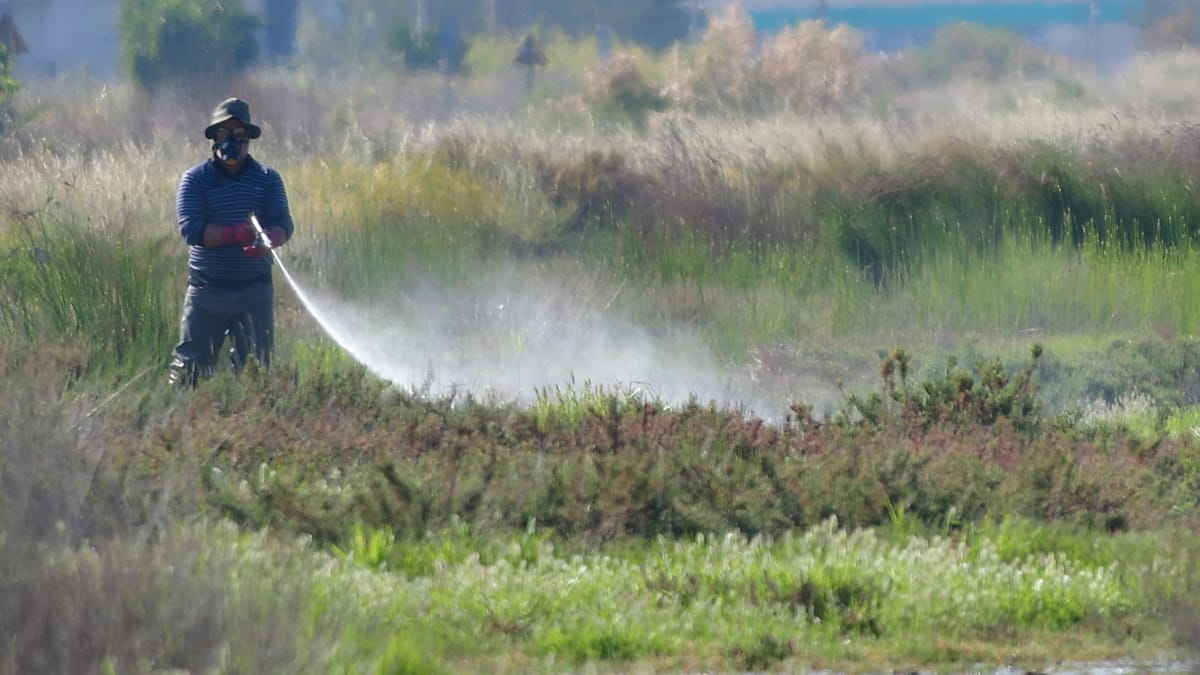
Authorities urge residents in affected and high-risk areas to take precautions against mosquito bites, such as using repellents and eliminating standing water. The coming weeks will be critical in determining whether the outbreak peaks or continues to escalate.