Nearly a decade after the African Continental Free Trade Area (AfCFTA) was launched, the vision of a unified market across the continent remains distant for many small businesses. While the agreement aims to boost intra-African trade, entrepreneurs continue to grapple with poor infrastructure, cumbersome border procedures, and limited access to trade finance. The gap between policy ambition and grassroots reality is stark.
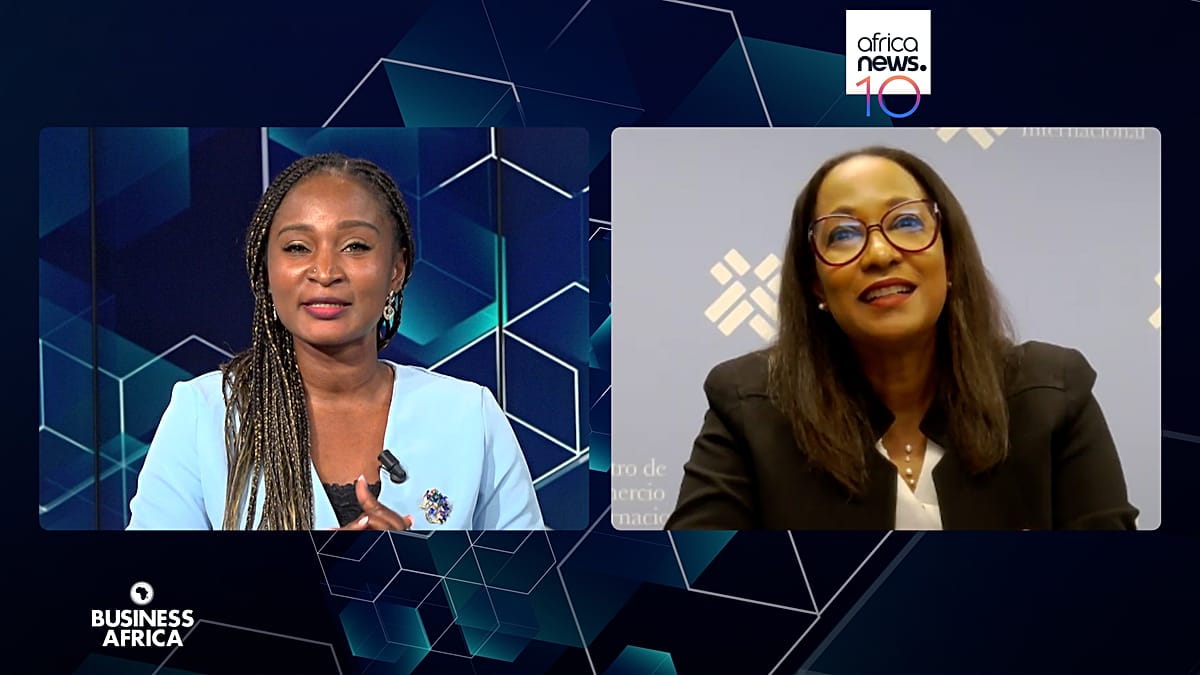
In an interview, International Trade Centre (ITC) Executive Director Pamela Coke-Hamilton highlighted that micro, small and medium-sized enterprises (MSMEs) have yet to feel the benefits of the AfCFTA, despite notable progress in its implementation. She pointed to economic diversification, green certifications, and expanded trade finance as key levers to help African businesses become more competitive in regional and global markets.
Local Initiatives Show Promise
Access to finance remains a critical obstacle. To address this, the ITC has partnered with Equity Group to expand trade finance for priority sectors while providing entrepreneurs—particularly young business owners—with greater access to market intelligence, business support services and regional networks. Such partnerships are essential to bridge the gap between policy and practice.
In Togo, a local company is assembling computers from imported components, aiming to strengthen the country's technology sector. The initiative not only boosts domestic IT manufacturing but also trains local engineers and creates skilled employment, supporting long-term industrial development. This mirrors broader trends where African nations seek to move up the value chain.
Meanwhile, Egypt's renowned informal recycling hub, "Garbage City," is experiencing a surge in demand. Disruptions to shipping through the Strait of Hormuz have limited imports of plastic raw materials, prompting manufacturers to turn to locally recycled plastics. This unexpected boost to the recycling industry underscores how global trade disruptions can create local opportunities.
These developments come as European policymakers watch closely. The EU has long supported the AfCFTA through technical assistance and trade facilitation programs, recognizing that a more integrated African market could benefit European businesses seeking new export destinations. However, challenges remain, as highlighted by recent EU trade negotiations with African partners.
For European readers, the AfCFTA's success matters. A prosperous Africa means more stable trade partners and reduced migration pressures. Yet the continent's fragmented infrastructure and regulatory hurdles require sustained investment—both from African governments and international partners. As the ITC's Coke-Hamilton noted, the path forward involves not just policy but practical support for the entrepreneurs who drive Africa's economies.