On the northernmost island of the Cyclades, Andros, a new digital tool is reshaping how visitors explore its neoclassical mansions, lush landscapes, and maritime heritage. Andros AI, launched by local company Hype² and its founder Ioannis Pitakidis, is the first artificial-intelligence guide created specifically for a Greek destination. It functions as a chat service where travellers and locals can ask questions about accommodation, beaches, transport, food, and the island's architectural landmarks.
Andros is known for its neoclassical mansions in Chora, built during the island's maritime boom roughly 130 to 140 years ago. These stately homes, with their pediments, symmetrical façades, marble balconies, and carved doors, chart the evolution of the island's society and economy. Architect and researcher Nikos Vasilopoulos explains that neoclassicism reached Andros at the end of the 19th century, transforming a Cycladic settlement into a new town. Shipowners and shipping circles drew inspiration from Syros, Piraeus, Athens, and cities abroad, bringing back models that defined Chora's character.
The Embirikos family, along with the Goulandris family, left an indelible mark on the island's cultural heritage. Vasilopoulos notes that the Embirikos family's vision for a fully fledged town is reflected in the main square, where they bought plots, laid out the square, and built a combined hospital and care home. The design, with railings instead of solid walls, ensures visual contact between those inside and outside, embodying a belief that the town would continue to grow.
Andros AI aims to reduce the need for phone calls, emails, and online searches. Pitakidis told Euronews that the service provides reliable, authoritative information for anyone planning a visit or already on the island. He believes artificial intelligence will play a significant role in changing tourism worldwide, and Greece, as a tourism-driven country, will need to adopt such technology to move forward.
This development aligns with broader trends in European tourism technology. For instance, Greece's PosoKanei app lets shoppers compare supermarket prices in real time, while invisible solar panels help heritage sites like Pompeii and Évora go green. Andros AI could set a course for other popular tourist destinations across Europe, from the Cyclades to the Mediterranean.
Beyond the Chat: A Model for Sustainable Tourism
Andros stands out for its lush vegetation, running water, and natural springs, a contrast to the typical Cycladic landscape. The island's maritime tradition and unique environment make it a compelling case for integrating AI into heritage tourism. As overtourism pressures mount in cities like Venice, where a €50 day-tripper fee has been proposed, tools like Andros AI can help distribute visitor information more efficiently, reducing strain on local resources.
The technology also reflects a broader European push toward digital innovation in cultural heritage. From the Parthenon's west façade, unveiled after two centuries of scaffolding, to AI debates at Paris's VivaTech, Europe is embracing tech to preserve and promote its past. Andros AI may be a small step, but it signals how artificial intelligence can enhance the visitor experience while respecting the integrity of historic sites.
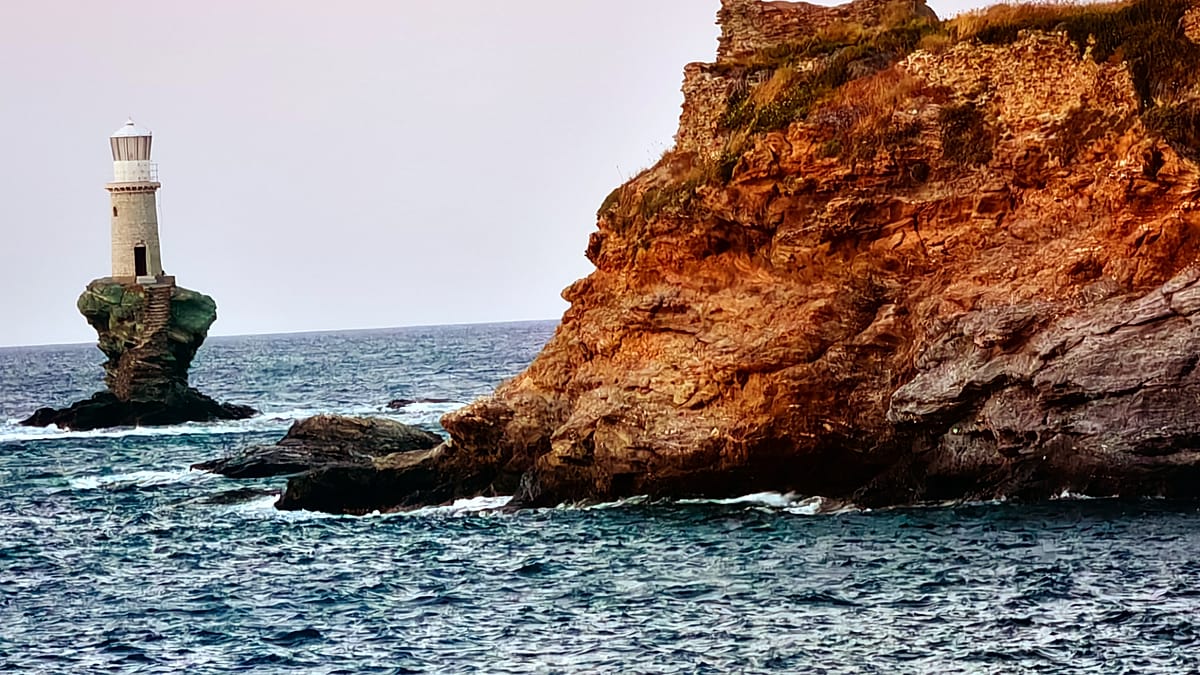
For now, the service is live, answering queries about Chora's neoclassical houses, the Tourlitis lighthouse, and beaches like Tis Grias to Pidima. As Pitakidis notes, the island is setting a course that others are likely to follow soon.