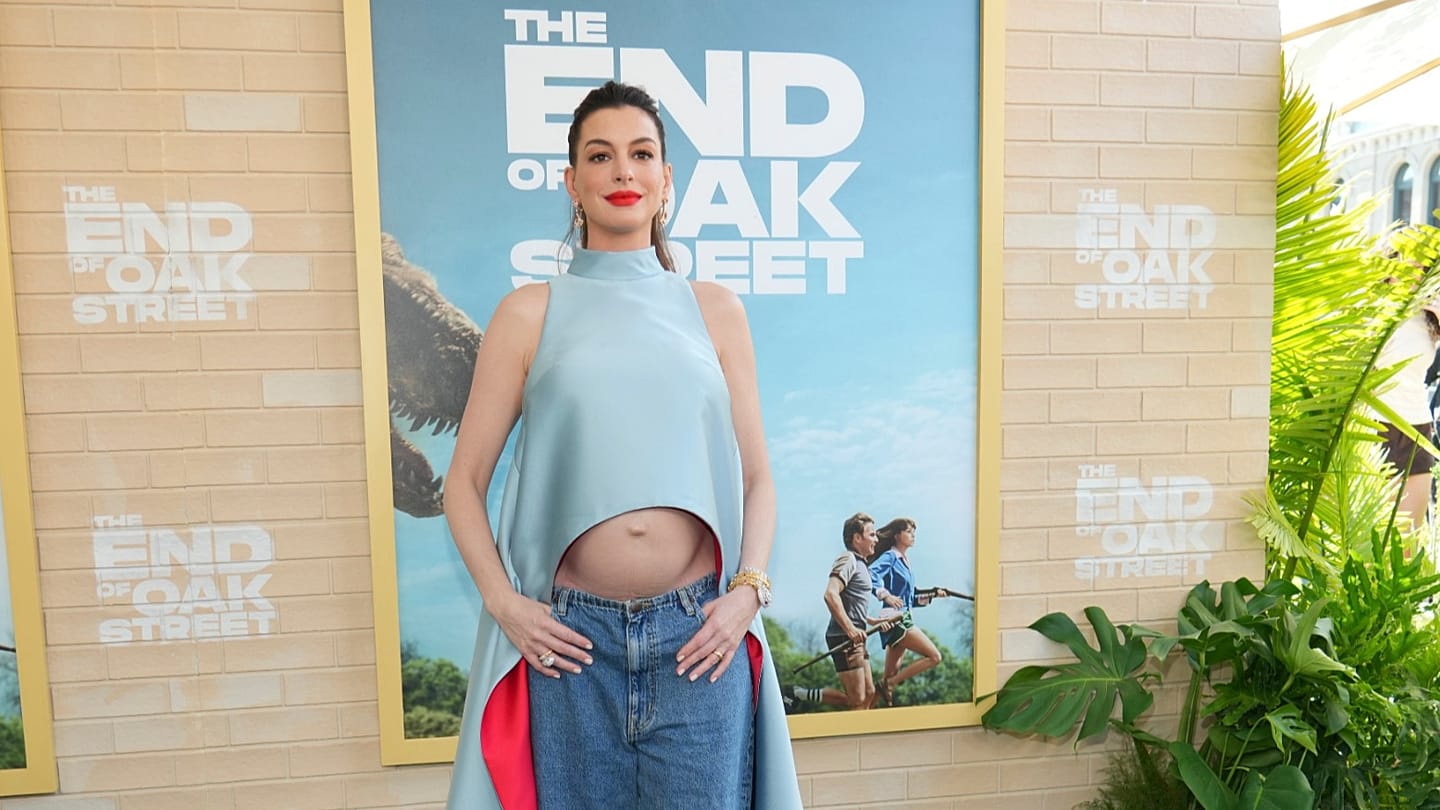
At the premiere of The End of Oak Street in Los Angeles, Anne Hathaway appeared on the red carpet with a visibly pregnant belly. Within hours, social media was ablaze with accusations that the bump was fake—a prosthetic or cleverly padded dress. The claims spread rapidly across X (formerly Twitter), TikTok, and Instagram, with users dissecting photos and videos for evidence of tampering.
Hathaway, who is expecting her third child, responded directly on her Instagram story, calling the allegations "ridiculous" and urging fans to focus on more meaningful issues. She wrote: "I can't believe I have to say this, but no, I am not wearing a fake belly. This is my real body, and I'm proud of it. The internet needs a hobby."
The anatomy of a baseless rumour
The rumour appears to have originated from a single tweet that compared a photo of Hathaway at the premiere with an older image, claiming the shape of the bump was inconsistent. From there, it snowballed into a full-blown conspiracy theory, with some users even suggesting the pregnancy itself was a publicity stunt for the film.
This is not the first time Hathaway has faced such scrutiny. In 2016, during her first pregnancy, similar accusations circulated online. The pattern is familiar: a celebrity's body becomes public property, and every detail is parsed for hidden meaning. The phenomenon is particularly acute for women in the public eye, who are often subjected to relentless physical scrutiny.
The episode also highlights a broader issue: the speed at which misinformation can spread on social media. A single unverified claim can reach millions within hours, and once it takes hold, it is difficult to correct. This is not just a celebrity problem—it has real-world consequences, as seen in other contexts. For instance, social media rumours recently triggered a mass surge on Spain's Ceuta border, illustrating how quickly false narratives can escalate.
Celebrity culture and the online mob
Hathaway's response has been met with widespread support from fans and fellow celebrities, many of whom have condemned the online pile-on. Actress Jessica Chastain tweeted: "Anne is a wonderful human being. Leave her alone." Others pointed out the irony that the same platforms that amplify such rumours also claim to combat misinformation.
The incident has also reignited debates about the ethics of celebrity journalism and the responsibility of social media platforms. Some commentators argue that the constant scrutiny of celebrities' bodies is a form of harassment, while others see it as an inevitable byproduct of fame. What is clear is that the line between public interest and invasion of privacy has become increasingly blurred.
In a broader sense, this story reflects a cultural moment where the internet's obsession with authenticity often leads to the opposite: a culture of suspicion and cynicism. As early social media use has been linked to lower grades in Italian students, the impact of these platforms on behaviour and perception is a growing concern across Europe and beyond.
Hathaway's case is a reminder that celebrities are human beings with real bodies and real emotions. While public figures inevitably invite some level of attention, there is a difference between legitimate curiosity and baseless speculation. As the actress herself put it, "Let's talk about the film, not my belly."
For now, Hathaway has chosen to rise above the noise, but the episode leaves a lingering question: how much longer will society tolerate this toxic cycle of online harassment? Perhaps it is time for a collective pause—a moment to reflect on the consequences of our digital behaviour. After all, as the saying goes, a lie can travel halfway around the world while the truth is still putting on its shoes.