Saudi oil giant Aramco posted a 34.6% jump in third-quarter net profit on Tuesday, as elevated crude prices and a one-off gain from a joint venture sale outweighed the impact of persistent attacks on the kingdom's energy infrastructure.
The company said net profit reached 135.9 billion riyals (€32.3bn) for the three months to September, compared with around 101 billion riyals (€24bn) in the same period last year. The result included a 25.9 billion riyal (€6.2bn) gain from selling its stake in the PRefChem refining and petrochemicals venture to Malaysia's Petronas.
Adjusted net income came in at nearly 117 billion riyals (€27.8bn), up 9% year-on-year but down about 7% from the second quarter. That beat the median forecast of $30.66 billion (€27.3bn) from 12 analysts, according to Reuters consensus estimates.
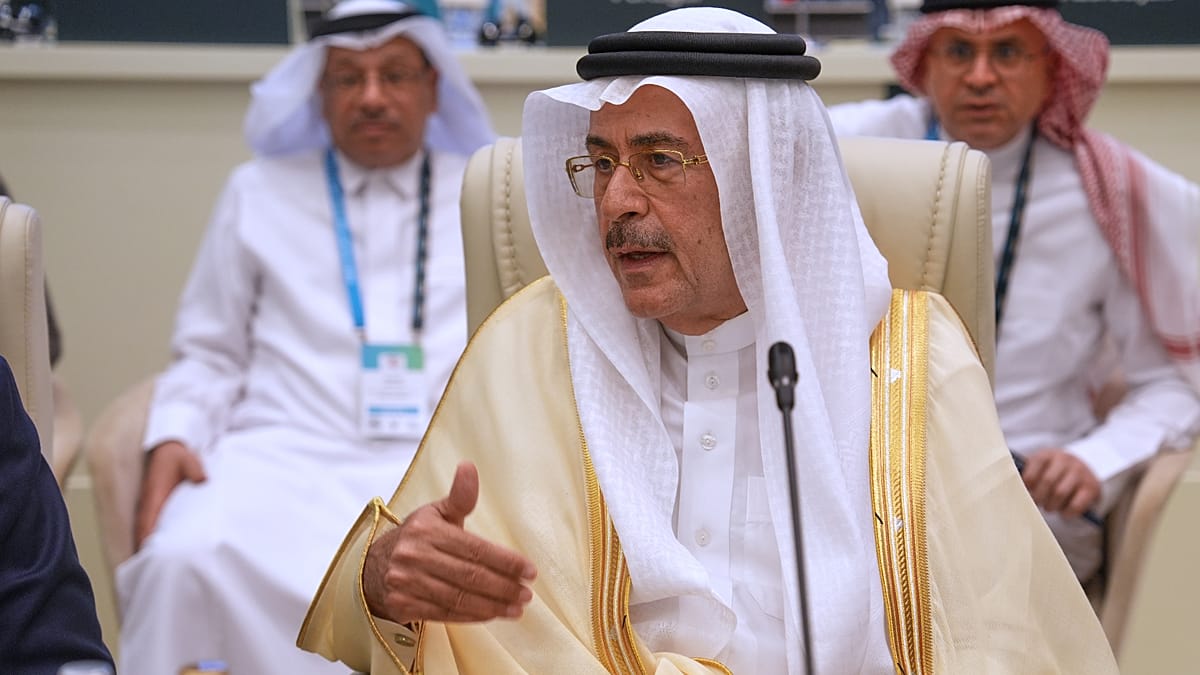
The earnings surge reflects a broader trend among energy majors, which have benefited from supply disruptions in the Middle East that have pushed up refining margins and prices. But Aramco's chief executive, Amin H. Nasser, warned that the conflict continues to weigh heavily on global energy security.
“Geopolitical uncertainty and attacks on key energy facilities continued to amplify the global energy supply crisis in the third quarter of 2026, with serious implications for global energy security,” Nasser said in a statement.
Houthi strikes and shipping disruptions
Yemen's Iran-backed Houthis have regularly targeted Saudi tankers, pipelines, storage facilities and refineries since hostilities resumed in July, with strikes intensifying in recent weeks. The group also claimed an attack on Aramco's headquarters in the kingdom's east last month, though Saudi officials said only a building in the area was hit.
Beyond direct attacks, the Houthis and Iran have hampered traffic through the straits of Bab al-Mandeb and Hormuz, complicating exports. The United States has provided naval support to help move millions of barrels of crude through the Strait of Hormuz each day, with US Central Command saying it facilitated the passage of more than 3,000 commercial vessels over the past six months.
Despite these efforts, oil markets remain volatile. On Monday, crude prices tumbled more than 7% on signs that Tehran and Washington were renewing dialogue, raising hopes of an end to the war. The conflict, which began on 28 February with US and Israeli strikes on Iran, has upended global energy markets, led to widespread drawdowns of strategic reserves and spurred inflation.
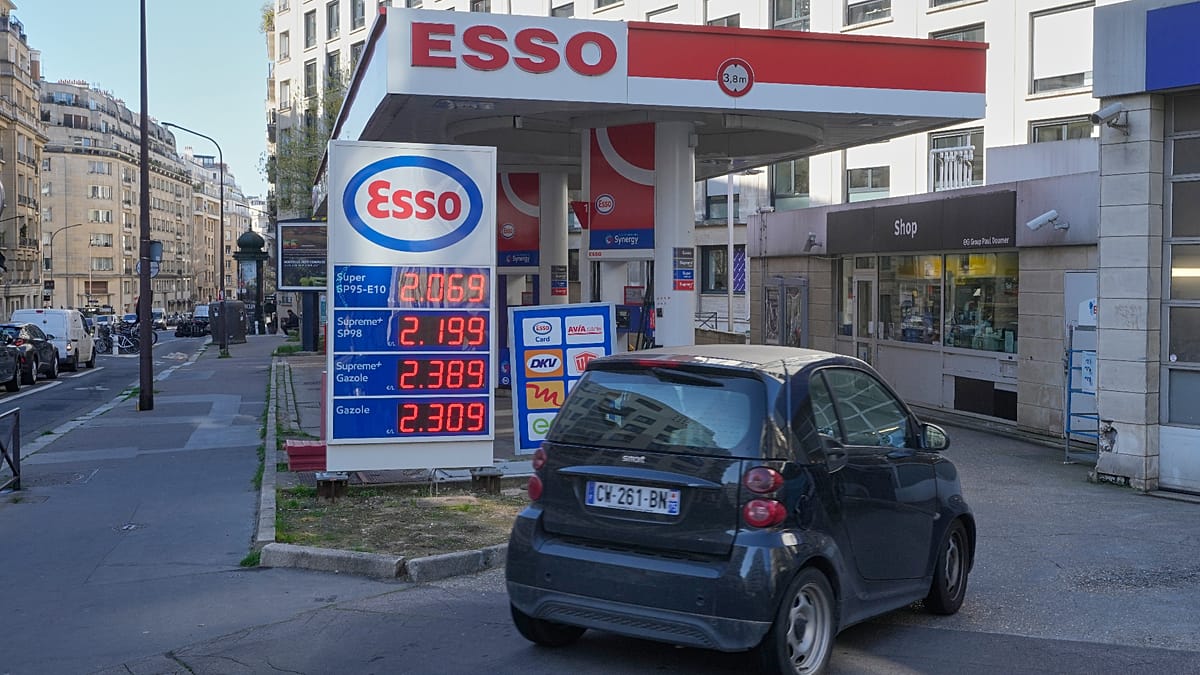
Meanwhile, Ukrainian drones have battered Russian energy infrastructure, prompting Moscow to restrict exports of fuels including petrol and diesel. These disruptions have kept European energy prices under pressure, with France tapping strategic diesel reserves as pump prices fall.
Economic strain at home
Despite the profit surge, the kingdom's economy faces headwinds. Saudi Arabia has revised up its projected budget deficit for 2026 to 245 billion riyals (€58.2bn), or 4.9% of GDP, from an initial forecast of 165 billion riyals (€39.2bn). Government spending is expected to exceed initial projections by 9.3%, while the finance ministry forecasts the economy will contract by 3.6% in 2026, driven by a 21.8% decline in oil-related activity.
The kingdom expects to reduce its deficit to 191 billion riyals (€45.4bn) in 2027, or 3.6% of GDP, while continuing to invest in economic diversification projects. Robert Mogielnicki, a research fellow at the Arab Gulf States Institute, noted that the earnings are “likely to be rosier compared (with) a year ago, when oil prices were much lower, but less promising relative to last quarter.”
For European observers, the situation underscores the fragility of global energy supplies. The recent dip in oil prices on Hormuz talks offers some relief, but the risk of further escalation remains. As European nations seek to diversify energy sources, the stability of Gulf exports remains a critical factor.