European attitudes toward autonomous mobility have shifted markedly this year. What began with a wave of national approvals for Tesla's Full Self-Driving (FSD) mode has quickly expanded into a continent-wide embrace of driverless technology, with regulators moving faster than many anticipated.
From Madrid to Munich: a wave of approvals
In Spain, the Region of Madrid has given the green light to Uber, WeRide, and AVOMO to begin mapping and testing autonomous passenger rides. The first trips are expected by the end of 2026. AVOMO, a subsidiary of the Spanish Moove Cars Group, is focusing on rolling out services in the US and now Europe.
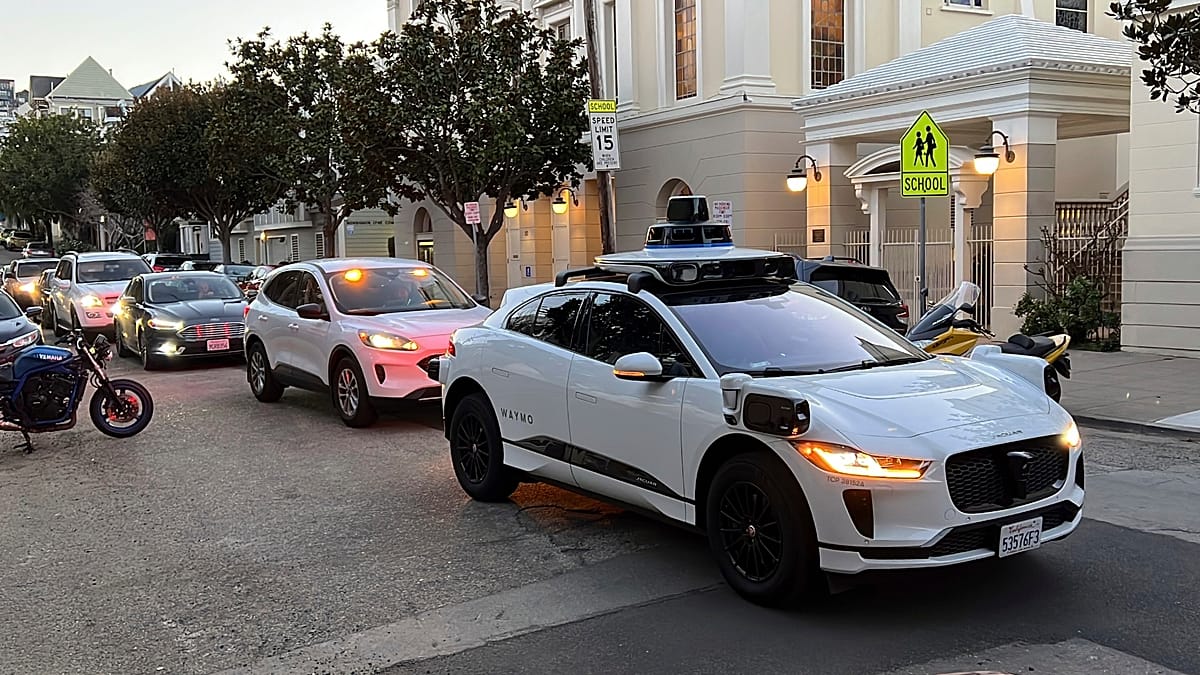
Germany, often seen as a cautious market, is also opening up. Google's Waymo has announced plans to launch its first EU operations in Munich by 2027. Meanwhile, the German Federal Motor Transport Authority (KBA) approved a Level 4 autonomous trucking pilot involving Swedish transport firm Einride and retail giant Lidl. From September 2026, driverless electric lorries will connect Lidl warehouses with stores, a move aimed at easing driver shortages and strengthening supply chains.
France has also signaled its openness, having recently cleared Tesla for self-driving tests following discussions with Elon Musk.
European innovation takes the wheel
European companies are not just spectators. Croatian firm Verne, a spin-off of Rimac, has partnered with Pony.ai to launch autonomous test drives from Zagreb Airport to the city's business district, using Nvidia-powered technology. The consortium plans a wider rollout in the Croatian capital soon.
In Switzerland, WeRide has secured a permit to operate driverless shuttle buses at Zurich Airport, transporting passengers between the terminal and remote aircraft positions.
These developments underscore that European players can compete at the highest level of autonomous driving technology, a point reinforced by the autonomous racing event at Imola earlier this year.
Safety and regulation: a turning point
The potential safety benefits are significant. According to EU Tech Loop, seven out of ten fatal accidents could be prevented by introducing driverless cars in the European Union, potentially saving up to 13,000 lives annually.
Germany's stringent road rules make its approval particularly notable. "This is a clear signal that European regulators are ready to embrace innovation on the road," said a spokesperson for Einride. "The technology is mature, and the regulatory environment is catching up."
While some remain cautious about the pace of change, the momentum is undeniable. From Madrid to Zagreb, autonomous vehicles are no longer a futuristic concept but a present reality, and the trend shows no sign of slowing.