As Azerbaijan seeks to reduce its economic reliance on hydrocarbons, public-private partnerships (PPPs) have emerged as a central tool in the government's strategy. By combining state oversight with private capital and expertise, Baku hopes to modernize key sectors and attract international investors who might otherwise be wary of the region's political and economic risks.
A widening scope of cooperation
The potential applications are broad. Beyond the obvious focus on renewable energy, the PPP framework is being extended to logistics, digital infrastructure, water and waste management, tourism, and even social infrastructure such as schools and hospitals. This reflects a deliberate effort to move beyond the traditional oil and gas sector and build a more resilient economy.
Speaking on the Business Horizons programme, Zamir Dibirov, head of the project management department at Azerbaijan's Ministry of Economy, underscored the role of PPPs in economic diversification. "These partnerships allow us to tap into private sector innovation and efficiency while maintaining public oversight," he said. "For investors, they offer a clear legal framework and a share of the risk."
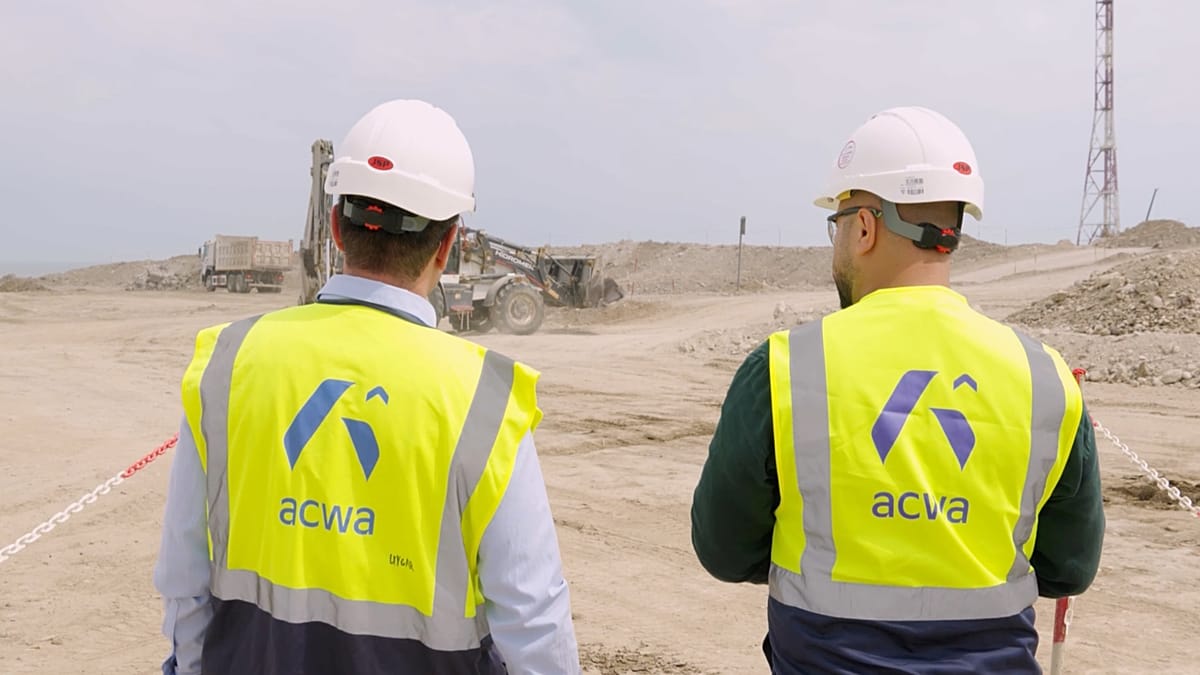
One notable example is the desalination project being developed by ACWA Power, the Saudi utility giant. Uygar Durgunay, the company's executive managing officer, stressed the importance of long-term cooperation and trust. "Our experience in Azerbaijan shows that a stable regulatory environment and a government willing to engage in genuine partnership are essential for large-scale infrastructure projects," he noted.
The desalination plant, located on the Caspian coast, is designed to address water scarcity in a region increasingly affected by climate change. It is one of several PPP initiatives that aim to improve public services while opening new avenues for private investment.
Analysts say the success of these projects could have ripple effects across the wider region. If Azerbaijan can demonstrate that PPPs work in a post-Soviet context, it may encourage similar models in neighbouring countries, from Georgia to Central Asia. The approach also aligns with broader European trends, where public-private collaboration is being used to finance everything from public spending pressures to green transitions.
However, challenges remain. Critics point to the need for transparent procurement processes and independent oversight to prevent corruption and ensure that projects deliver value for money. The government has said it is committed to international standards, and the involvement of firms like ACWA Power is seen as a positive signal.
For Azerbaijan, the stakes are high. The country's economy has long been dominated by oil and gas, but global energy transitions and fluctuating prices have underscored the urgency of diversification. PPPs offer a pragmatic path forward, one that leverages private sector dynamism without ceding strategic control.
As the programme expands, the government expects it to support investment, create jobs, and deliver new infrastructure. Whether it can sustain momentum will depend on the ability to build trust with both domestic and international partners. For now, the signs are cautiously optimistic.