Azerbaijan is repositioning itself as a key player in Europe's energy transition, moving beyond its traditional oil and gas exports. The state energy company's green arm, SOCAR Green, is spearheading a portfolio of renewable projects designed to link the Caspian region with European markets.
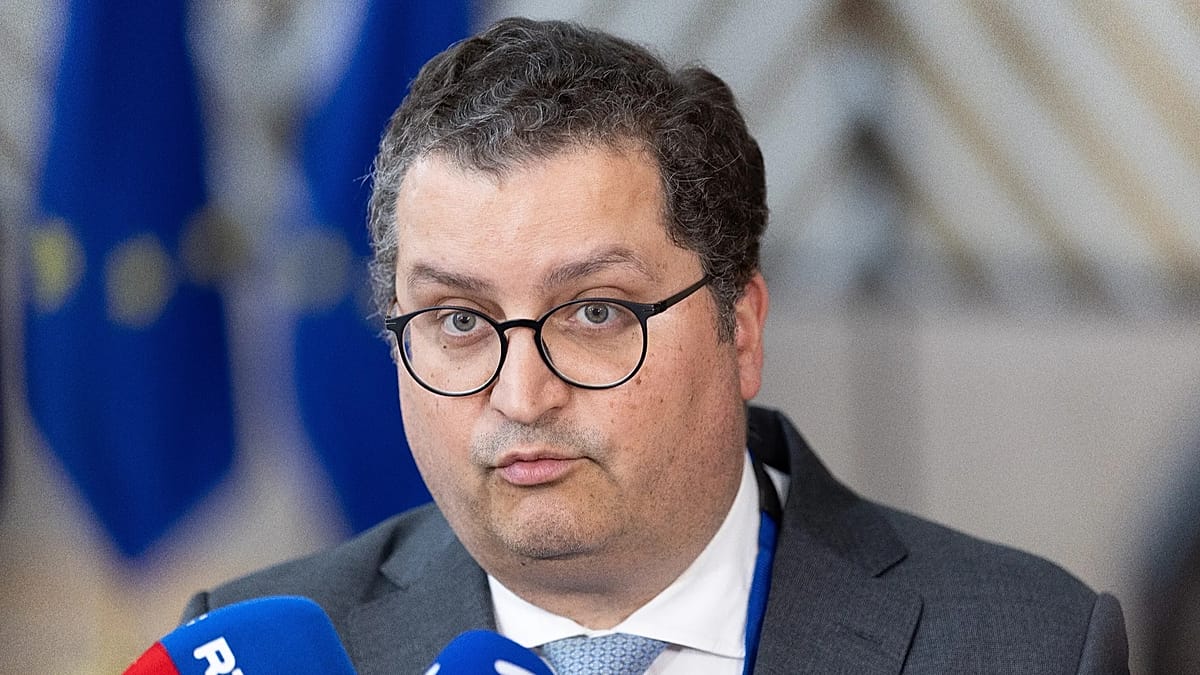
In a recent interview on Business Horizons, Elmir Musayev, General Director of SOCAR Green, outlined an ambitious pipeline exceeding 1.5 gigawatts of renewable capacity. The projects span solar and wind power, battery storage, and a pioneering submarine cable under the Black Sea.
Connecting continents through clean power
The Black Sea cable is a flagship initiative that would transmit green electricity from Azerbaijan, through Georgia, and across the sea to Romania and onward into the EU. This infrastructure is central to Baku's strategy of becoming a reliable electricity supplier to Europe, complementing its existing role as a gas exporter.
Musayev emphasized that the company is not merely building domestic capacity but is actively seeking strategic partnerships with European utilities and investors. "We are looking at joint ventures and co-investment models," he said, noting that several memoranda of understanding have been signed with companies in the EU.
The move comes as Brussels accelerates its push for energy diversification and decarbonisation. The European Commission has repeatedly highlighted the Southern Gas Corridor as a vital route, and now electricity is set to follow a similar path. This aligns with the EU's broader strategy to frame its COP31 agenda around energy security and the green transition.
Beyond hydrocarbons
Azerbaijan's pivot is also a pragmatic economic decision. With global pressure to reduce fossil fuel dependence, Baku is seeking to future-proof its economy. The country's recent investment forum in Baku attracted $10 billion in deals, signalling investor confidence in its diversification plans.
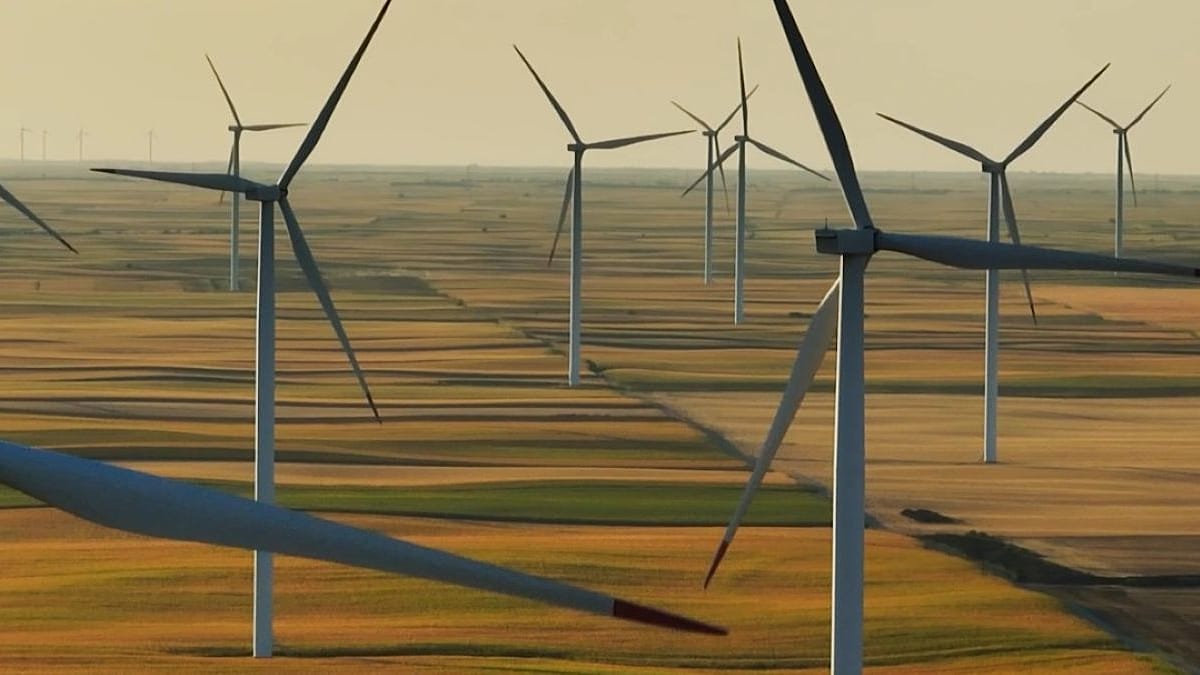
SOCAR Green's projects include utility-scale solar parks in the Absheron region and wind farms along the Caspian coast. Battery storage systems are also being developed to stabilise the grid and ensure a consistent supply for export.
Analysts note that the success of these ventures will depend on regulatory alignment with EU market rules and the timely completion of the submarine cable, which is technically complex. The cable is expected to be operational by the late 2020s, with a capacity of up to 1,000 megawatts initially.
For Europe, this represents an additional source of clean energy that can reduce reliance on Russian supplies and help meet climate targets. The project also has geopolitical significance, as it strengthens ties between the South Caucasus and the EU, a region already in the spotlight due to recent joint military drills involving Azerbaijan, Turkey, and Uzbekistan.
Musayev stressed that SOCAR Green is committed to international standards of transparency and environmental responsibility. "We are not just exporting energy; we are exporting a model of sustainable development," he said.
As Europe grapples with energy costs and the need to accelerate the green transition, Azerbaijan's offerings could become increasingly attractive. The country's location at the crossroads of East and West positions it as a natural bridge, and its investments in renewables are set to redefine its role in the continent's energy landscape.