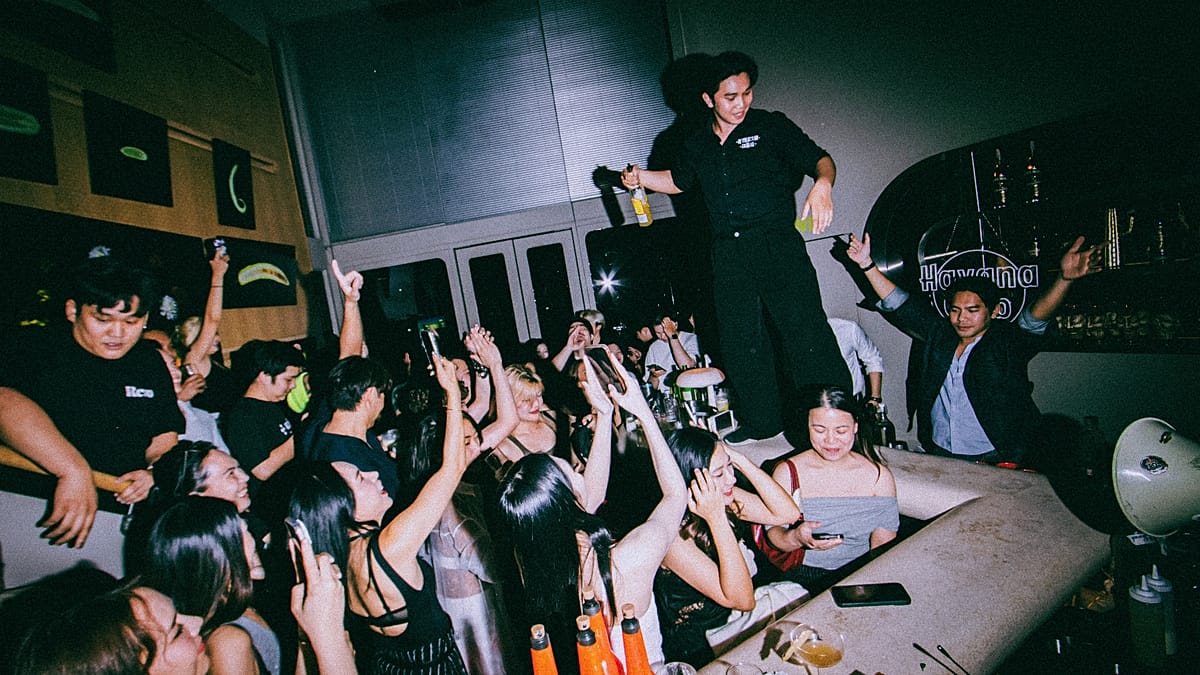
Bangkok has been crowned the world's best city for nightlife in Time Out's 2026 ranking, a survey of more than 24,000 residents across 150 cities. The Thai capital's eclectic mix of rooftop bars, dive bars, and street-side venues earned it the top spot, with 73% of locals rating their city's nightlife as good or amazing.
Europe's nightlife credentials are still strong, but only three cities from the continent made the top 10: Berlin, Brighton, and Amsterdam. Berlin, as expected, leads the European pack at second place overall, praised by Time Out for “continuing to set the benchmark for nightlife.” A remarkable 78% of Berliners gave their city's after-dark scene a thumbs-up, a testament to the German capital's legendary club culture.
Brighton, the UK's seaside resort, secured eighth place, while Amsterdam rounded out the list at tenth. Brighton stood out for its community spirit, with 84% of locals saying it's easy to meet people and feel part of the city. It also tied with New York for being described as both “lively” and “diverse and inclusive,” and was singled out for its vibrant LGBTQ+ scene.
Amsterdam's inclusion was bolstered by its bustling city-centre nightlife and the upcoming WorldPride 2026, which Time Out says cements the Dutch capital's reputation as “one of Europe's most welcoming and inclusive places to go out.” The city's canal-side bars and clubs continue to draw both locals and visitors.
Changing nightlife habits
Time Out's travel editor, Grace Beard, noted that the definition of a good night out is evolving. “A good night out is no longer defined by one type of venue; in 2026, street parties and rooftop raves are bigger than ever, while locals are no longer flocking to one or two big-name venues, instead heading to nightlife districts where bar-hopping is the name of the game,” she said.
Beard added that the cities on the list excel at adapting to these shifts, offering everything from over-30s parties to speakeasies and listening bars. “Every city offers unforgettable experiences for every kind of night out and every kind of person. That's exactly what great city life should look like,” she explained.
The ranking reflects a broader trend across Europe, where nightlife is increasingly about diverse districts rather than single mega-clubs. In Berlin, for instance, the scene extends beyond the famous techno temples to include neighbourhood bars and open-air events. Meanwhile, Brighton's compact size and strong community vibe make it a unique destination for those seeking a more intimate yet lively atmosphere.
For travellers planning a European city break, the results offer a useful guide. Berlin's nightlife is well-documented, but Brighton and Amsterdam provide distinct alternatives. Brighton's seafront pubs and clubs, coupled with its inclusive ethos, make it a standout choice. Amsterdam, with its mix of historic brown cafés and modern clubs, remains a perennial favourite.
Interestingly, the ranking also highlights the growing importance of affordability and safety in how residents perceive their nightlife. While Bangkok scored high on variety, European cities like Berlin and Amsterdam are often praised for their safety and accessibility, even if costs can be higher.
As the continent's nightlife continues to recover and reinvent itself post-pandemic, these three cities show that Europe still has plenty to offer after dark. Whether you're dancing until dawn in a Berlin warehouse or enjoying a quiet drink in a Brighton pub, the continent's nightlife scene remains as diverse as its cultures.