The political confrontation between Jordan Bardella and Emmanuel Macron escalated on Wednesday, with the National Rally leader rejecting the French president's condemnation of alleged antisemitic messages. Macron had called the reports "extremely serious and unacceptable" and demanded clarifications.
Bardella responded on X, pointing to his own record: "After October 7, 2023, I walked the streets of Paris and travelled to Israel. He did not." The retort underscores the sharp divide between the two men as France's presidential election approaches.
Macron's rebuke in Madrid
Speaking during a two-day state visit to Spain, Macron said France would "never tolerate antisemitic statements," describing the remarks attributed to Bardella as "appalling and unacceptable" and requiring "the most extreme condemnation." He also criticised the National Rally's "inflammatory language" directed at Mediapart, warning that such rhetoric leads to escalation.
Bardella, whom Marine Le Pen has said would be her prime minister if she wins the presidency next spring, has vigorously denied authorship of the messages. Investigative outlet Mediapart published the alleged exchanges on Monday, reporting that they contained comments about supposed Jewish banking monopolies and other antisemitic conspiracy theories.
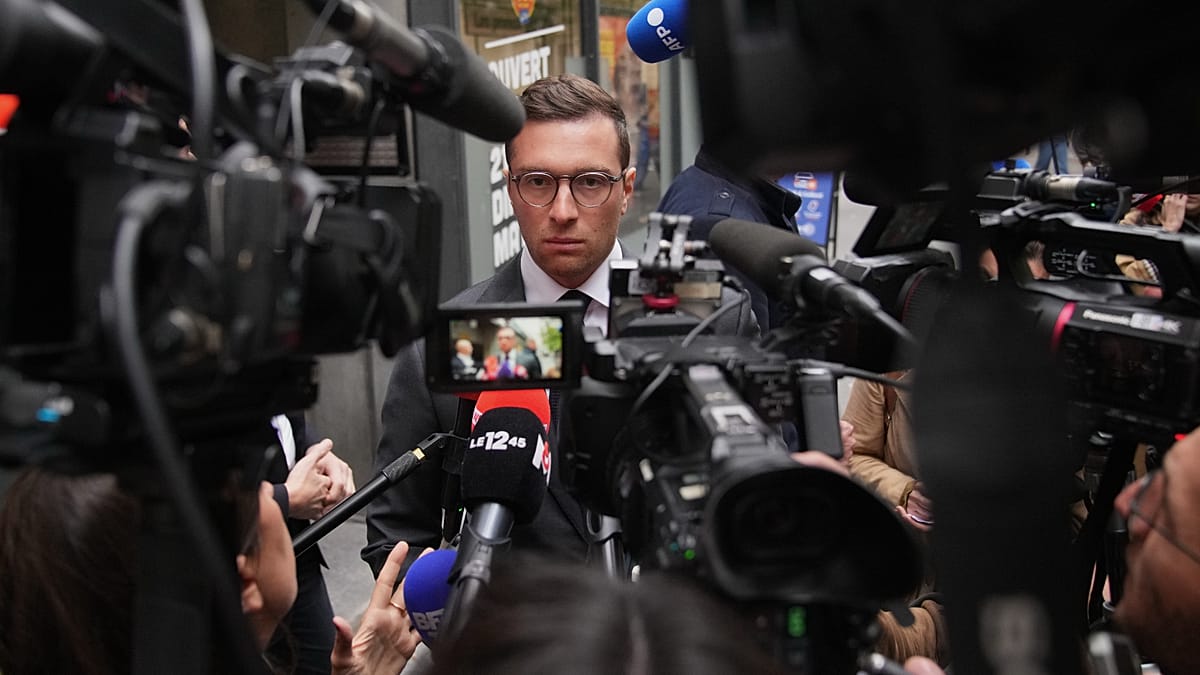
At a press conference on Tuesday, Bardella accused Mediapart of seeking "to kill his political career" and announced he would take legal action for defamation. Le Pen, sitting beside him, expressed "absolute confidence" in him.
Context and denials
According to Mediapart, the messages date from 2013 to 2015, when Bardella was a teenager and a member of the National Front, the party's predecessor. The outlet said the comments were drawn from private written exchanges but did not specify the format or detail how it authenticated them.
Bardella's past statements about Jean-Marie Le Pen, the party's founder and Marine Le Pen's father, have also drawn scrutiny. In 2023, he said he did not believe Le Pen was an antisemite, a remark he later called "clumsy." By May 2024, he declared that Le Pen was "eminently antisemitic."
The National Rally has sought to shed its extremist image, courting Jewish voters by positioning itself as a bulwark against Islamic extremism. Critics call this "de-demonisation," a process that accelerated after Marine Le Pen expelled her father in 2015 and rebranded the party in 2018.
Israel's Diaspora Affairs Minister Amichai Chikli defended Bardella on Tuesday, calling him "one of the clearest voices in Europe against Hamas" and denouncing France's left as "experts at character assassination."
The controversy comes as Macron has been urging Europe to resist nationalist resurgence, a theme that resonates across the continent. The French president's clash with Bardella also echoes broader tensions in European politics, where far-right parties are gaining ground in several countries.
Bardella's legal threat against Mediapart is likely to intensify the debate over press freedom and political accountability in France. The outcome of the defamation case could have significant implications for both the media outlet and the National Rally's campaign.
As the presidential election draws nearer, the exchange between Macron and Bardella highlights the deep polarisation in French politics. The allegations, if proven, could damage Bardella's credibility, but his denial and counterattack suggest he is prepared to fight back.