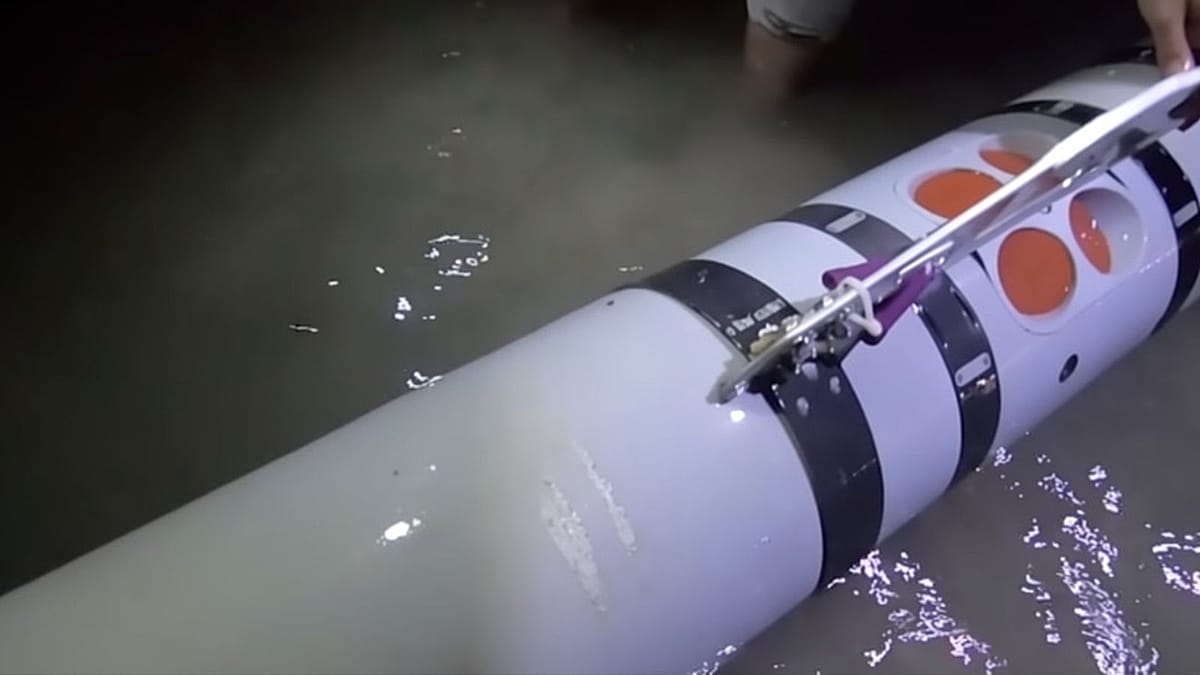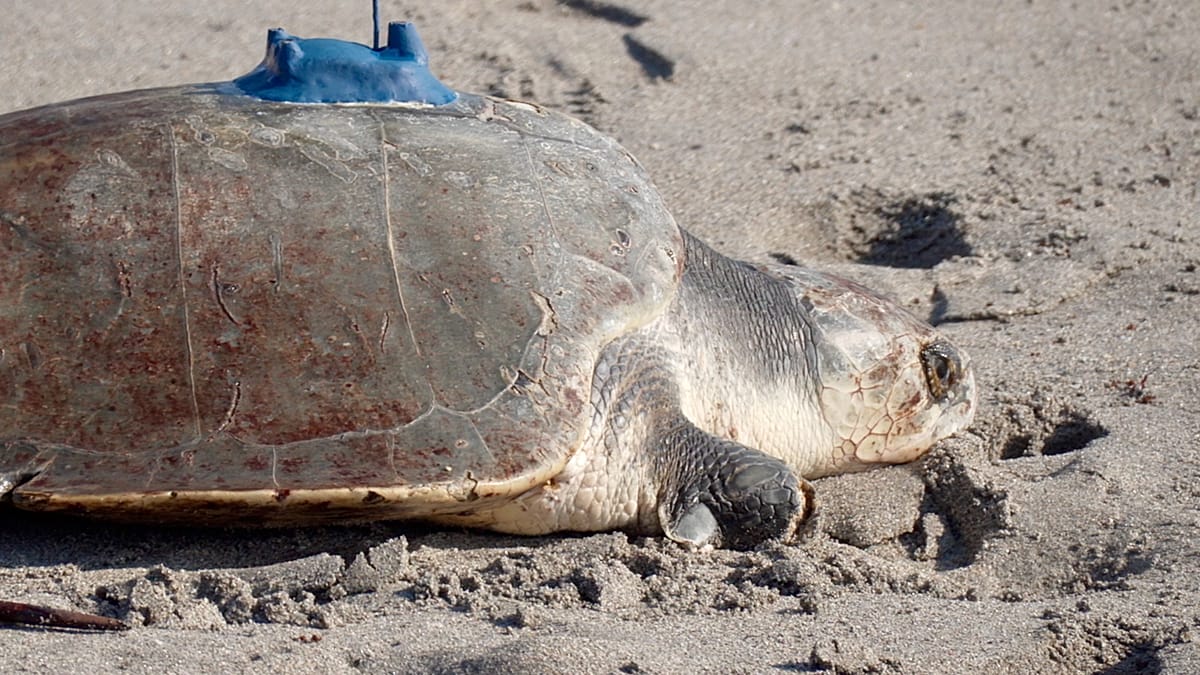
Beijing has levelled fresh accusations of espionage against unnamed foreign governments, claiming they are deploying sea turtles and other marine animals equipped with tracking devices to gather sensitive data along China's coastline. The allegations, posted on social media by China's Ministry of State Security, describe the discovery of "relatively large marine animals with sensors attached" in Chinese waters. The ministry stated that these creatures were "swimming in a specific area, collecting sensitive data about the marine environment such as water temperature, salinity and ocean current, transmitting it overseas via satellite."
The ministry warned that such data could be used to "identify weak points in China's coastal defences, posing a serious threat to China's national security." It urged fishers to report any unusual buoys or devices found at sea and called for proper security checks on equipment received from abroad. No specific country or agency was named in the statement, which was titled "spy turtles, spy fish."
Escalating Espionage Tensions with Europe
The claims come against a backdrop of rising espionage tensions between China and several European states. In May, German police arrested a married couple on charges of spying for China, accusing them of seeking information on advanced technology with military uses. In February, French authorities charged four individuals, including two Chinese nationals, with suspected interception of sensitive military data, according to Agence France-Presse. That same month, Greek military authorities arrested a colonel on suspicion of providing classified and top secret information to China, as reported by the General Staff of National Defence.
Beijing has also dismissed espionage convictions abroad as politically motivated. Last month, it denounced the convictions of two men in the United Kingdom for spying on Hong Kong dissidents as a "political farce," accusing the UK of "erroneous practices." These incidents highlight a broader pattern of mutual suspicion between China and European nations, particularly as the EU grapples with how to respond to Beijing's growing influence. As EPP Chief Weber warned, the EU must act decisively or risk seeing its industries crippled by Chinese competition.
The use of marine animals for espionage is not entirely new; during the Cold War, both the US and Soviet Union experimented with training dolphins and sea lions for military purposes. However, China's latest allegations appear to reflect a heightened sensitivity to any foreign surveillance near its shores, particularly as it invests heavily in naval modernization and coastal defense systems. The ministry's statement did not provide evidence for its claims, but it underscores the growing role of non-traditional espionage methods in an era of advanced sensors and satellite communications.
For European readers, the story resonates with ongoing debates about technological sovereignty and security. The EU has been increasingly vocal about the need to protect its own critical infrastructure from foreign interference, including from China. As Ursula von der Leyen's warning three years ago highlighted, the bloc faces a reckoning in its relationship with Beijing. The allegations also come at a time when the EU is pushing for greater integration in defense and intelligence sharing, as former Italian Prime Minister Enrico Letta argued that Europe must integrate or face subordination to both the US and China.
While the turtle espionage story may seem far-fetched, it reflects a real and growing concern among European policymakers about the security implications of Chinese activities. The EU's response to such allegations will likely shape the future of its economic and diplomatic ties with Beijing, particularly as it seeks to balance trade benefits with security risks. For now, the incident serves as a reminder of the complex and often opaque nature of modern espionage, where even sea creatures can become tools of statecraft.