The Mediterranean has long been Europe's summer playground, but the way travellers engage with its coasts and islands is undergoing a quiet transformation. The era of the fly-and-flop holiday—where the primary goal was to lie on a sunbed with a cocktail—is receding. In its place, a more intentional form of tourism is emerging, one that blends the restorative power of the sea with genuine cultural immersion.
This shift is particularly visible among visitors from northern European countries such as Germany, the Netherlands, and Scandinavia, who are increasingly choosing destinations that offer both coastal relaxation and meaningful local encounters. The concept of 'blue mind'—a term popularised by marine biologist Wallace J. Nichols to describe the meditative state induced by being near water—is gaining traction as a wellness driver for travel choices.
From Sunbeds to Sardine Fishing
In coastal towns from Cinque Terre to the Dalmatian coast, operators report a surge in demand for experiences that go beyond the beach. Cooking classes with nonnas in Puglia, guided foraging walks on the Algarve, and overnight stays with fishing families in the Cyclades are no longer niche offerings but mainstream attractions. The common thread is a desire for authenticity and a slower pace that allows travellers to connect with local rhythms.
This trend is also reshaping accommodation. Small, family-run agriturismi in Tuscany and boutique hotels in Ibiza's less-developed northern coast are thriving, while large all-inclusive resorts face pressure to diversify their offerings. In Mallorca, for instance, several resorts now partner with local artisans to offer pottery workshops and olive oil tastings, responding to guest demand for what the industry calls 'experiential travel'.
The shift is not merely anecdotal. Data from the European Travel Commission shows that in 2024, 62% of European travellers cited 'experiencing local culture' as a primary motivation for their holiday, up from 48% in 2019. The same survey found that 'wellness and relaxation' remains important, but increasingly travellers see the two as complementary rather than competing priorities.
Blue Mind as a Wellness Anchor
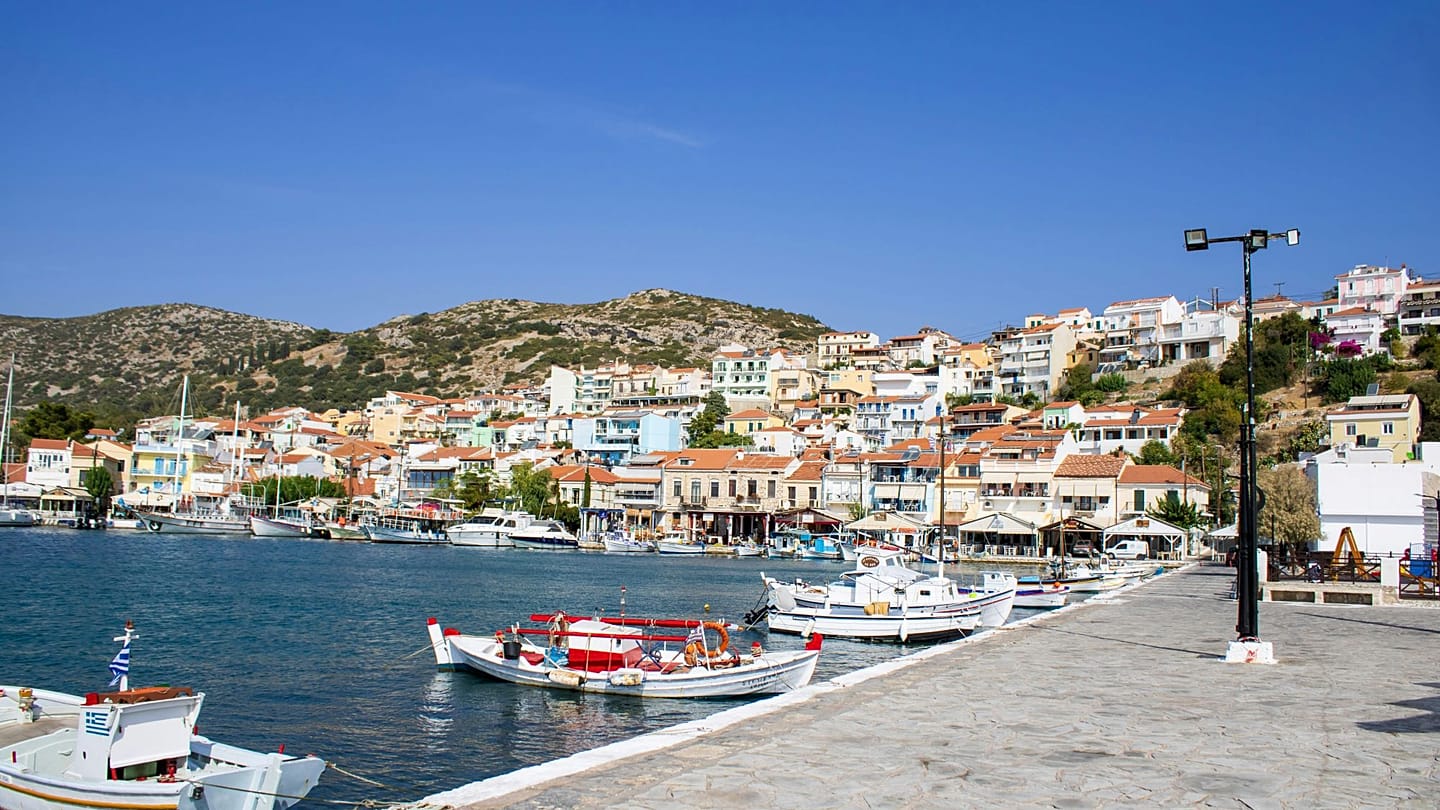
The 'blue mind' concept has found a natural home in Mediterranean destinations, where the sea is central to daily life. In Greece, the island of Hydra—which bans motor vehicles—has become a magnet for travellers seeking digital detox and coastal serenity. Similarly, Croatia's Kornati Islands, a national park of 89 uninhabited islets, offer sailing trips that combine physical activity with the calming effect of open water.
Wellness tourism in the region is evolving beyond spa treatments to include 'blue health' activities such as coastal hiking, stand-up paddleboarding at sunrise, and guided sea swimming. In Nice, the Promenade du Paillon now hosts free outdoor yoga sessions with views of the Baie des Anges, drawing both locals and tourists. The city's tourism office reports a 30% increase in wellness-related inquiries since 2022.
This trend also intersects with sustainability. Many travellers are choosing to extend their stays in fewer destinations, reducing their carbon footprint while deepening their engagement. The rise of slow travel—by train, ferry, or bicycle—is particularly evident along the Mediterranean coast. The Via Transilvanica in Romania offers a land-based alternative, but for coastal routes, the EuroVelo 8 cycle path from Cadiz to Athens is gaining popularity.
Local Culture as a Competitive Advantage
Destinations that invest in preserving and showcasing local culture are reaping the rewards. In Sicily, the town of Cefalù has seen a boom in visitors who come not just for its beach but for its Norman cathedral and the annual Settimana delle Culture festival. In Portugal's Algarve, once known primarily for golf and package holidays, the inland village of Monchique now attracts food tourists with its chestnut and medronho brandy traditions.
Even iconic cities are adapting. Barcelona, which has struggled with overtourism, is promoting neighbourhoods like Gràcia and Poble-sec, where visitors can explore local markets and independent galleries away from the crowds. The city's tourism board has launched a 'hidden Barcelona' campaign, encouraging travellers to spend at least one day outside the city centre.
For European travellers, the appeal of these experiences is partly practical. As British travellers continue to navigate post-Brexit entry rules, many are opting for longer, more immersive stays that justify the paperwork. Meanwhile, heatwave disruptions to rail services have prompted some to reconsider summer travel timing, favouring spring and autumn for their Mediterranean trips.
The Mediterranean's enduring appeal lies in its ability to offer both the restorative blue of the sea and the rich tapestry of local life. As travellers become more discerning, the region's future may depend on striking a balance between preserving what makes it special and adapting to what visitors now seek: not just a place to escape, but a place to belong, even if only for a week.