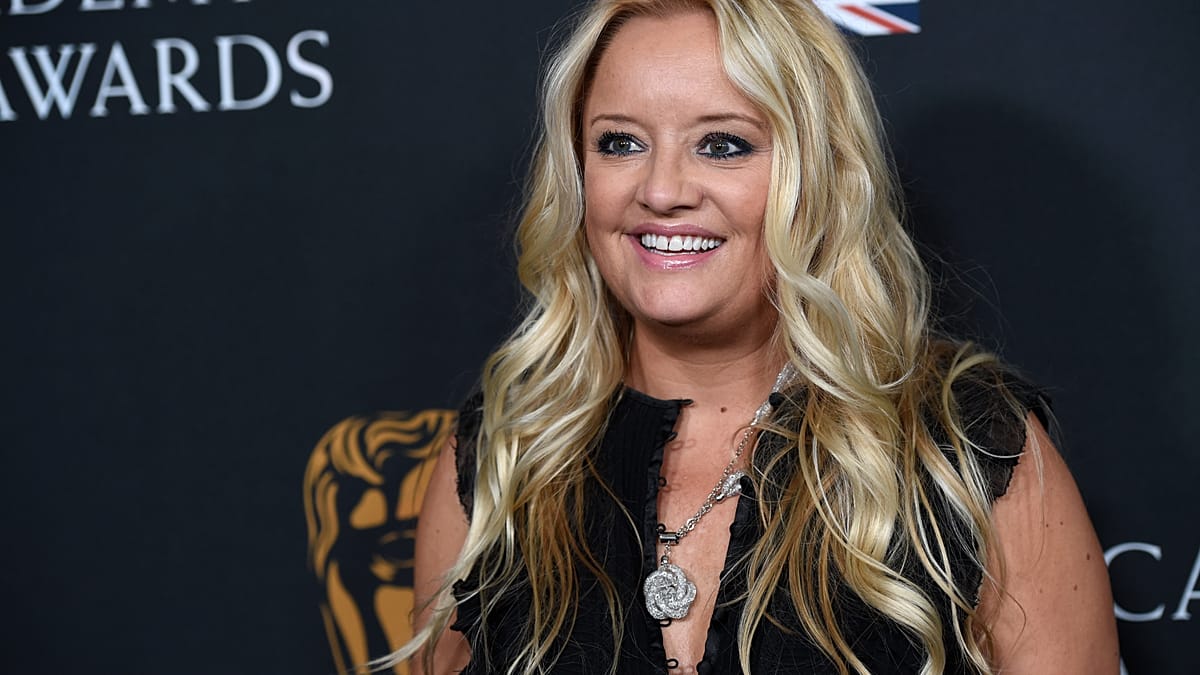
Lucy Davis, the British actor celebrated for her role as Dawn Tinsley in the original The Office and for appearances in films such as Shaun of the Dead, Wonder Woman, and Chilling Adventures of Sabrina, has announced that she is living with incurable cancer. The 53-year-old shared the news in a lengthy Instagram post, describing her diagnosis and the quiet way it came to light.
Davis explained that the first sign was not an obvious lump but a very small hard spot that she almost decided not to have checked. That decision, she said, proved crucial. Further tests revealed that the cancer had spread to her bones, including her spine, right hip, and ribs, and that chemotherapy was no longer a viable option.
A message of peace and resilience
In her post, Davis struck a tone of acceptance rather than fear. She said she is not afraid of what comes next and feels at peace with her situation. However, she acknowledged that the prospect of her death is harder for her family than for her, noting that any grieving is “for my family.”
The actor also expressed a desire to continue working, describing acting as one of the biggest joys in her life. Her career has spanned both British and international productions, from the mockumentary style of The Office to the superhero spectacle of Wonder Woman and the supernatural world of Chilling Adventures of Sabrina.
Davis’s announcement has drawn an outpouring of support from colleagues and fans across Europe and beyond. Her openness about her condition resonates in a continent where cancer remains a leading cause of death, and where conversations about end-of-life care and patient autonomy are increasingly prominent.
While Davis’s story is deeply personal, it also touches on broader themes that European audiences may find relevant: the importance of early detection, the emotional toll on families, and the resilience of individuals facing terminal illness. Her decision to speak publicly reflects a growing trend among public figures to share their health journeys, fostering dialogue and reducing stigma.
As she navigates this new chapter, Davis’s message is one of gratitude and presence. She has not detailed specific treatment plans but emphasized her intention to live fully in the time she has. Her words serve as a reminder of the fragility of life and the strength found in acceptance.