The European Commission is pressing China for concrete results in their trade dialogue, following a video call between EU Trade Commissioner Maroš Šefčovič and his Chinese counterpart, Wang Wentao. The hour-long conversation on Thursday was meant to lay the groundwork for the second session of the EU-China Trade and Investment Council, scheduled for October in Beijing.
In a statement after the call, the Commission stressed that while engagement remains a priority, "it is equally important that first concrete outcomes are delivered" at the October meeting. "That outcome needs to be credible," the statement added, signalling that Brussels is moving from rhetoric to results.
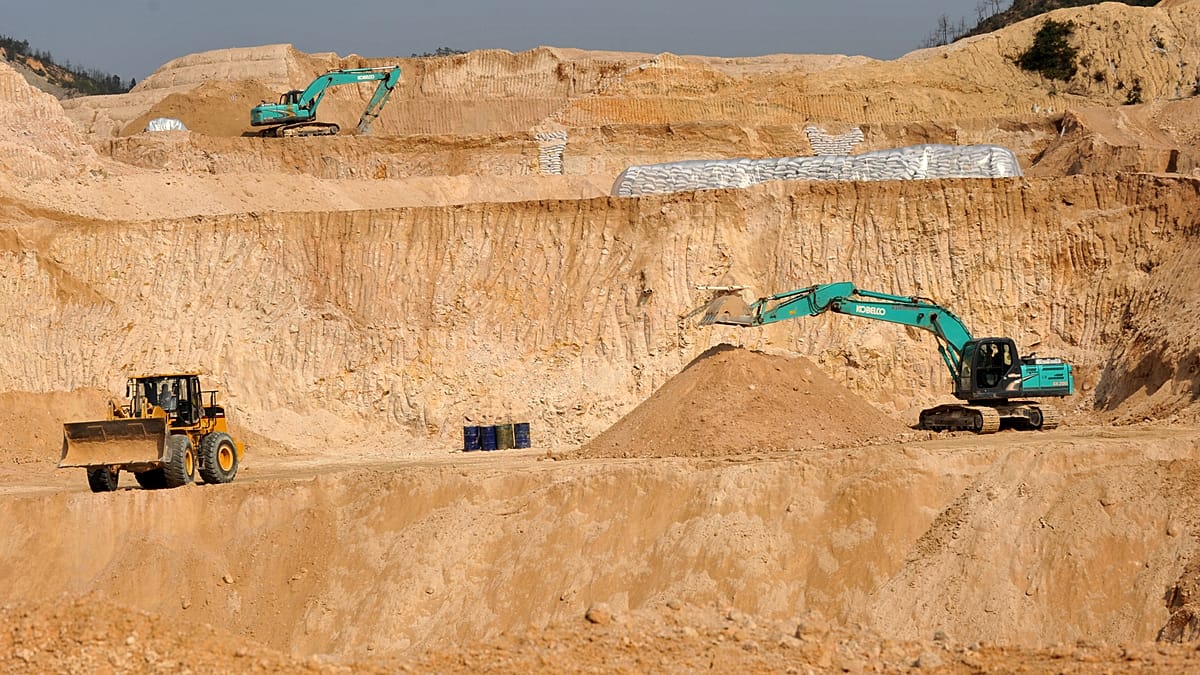
The EU's trade deficit with China has been widening by roughly €1 billion a day, a trend that has alarmed European policymakers. The Commission wants Beijing to curb its exports to the EU and to extend a truce on rare earth exports, which China blocked a year ago amid its trade war with the United States. Rare earths are critical for Europe's green technology, defence, and automotive sectors, and China holds a near-monopoly on their production and processing.
Beijing, for its part, is seeking better access to the EU's market of 450 million consumers and has resisted European calls to reduce its exports. The EU is also seeking assurances that China will not halt rare earth exports again, and that European businesses will be able to obtain the necessary export licences.
Leaders demand action
The coming weeks will be decisive. EU officials are expected to make another technical trip to China before Šefčovič travels to Beijing on 8–9 October. In her State of the Union address to the European Parliament on Wednesday, Commission President Ursula von der Leyen made clear that the EU is ready to use all its trade defence instruments if talks fail. "Words are good. But deeds are better," she said.
China is also set to be a major topic when EU leaders meet in October. They have tasked the Commission with securing tangible results from the dialogue. In an interview with Euronews, Šefčovič warned that without a "deliverable" to present to leaders, "the political interest would be to look for the solution through other instruments."
The EU has several trade defence tools at its disposal, including anti-dumping duties and tariffs against unfair subsidies. A diversification tool is also in the pipeline, aimed at helping European firms reduce their reliance on Chinese critical minerals for strategic technologies by diversifying their sources of supply.
Relations between Brussels and Beijing remain strained. The Commission has introduced several legislative proposals to protect the EU market, including one that would give preference to European-made products. China has threatened retaliatory measures in response.
The outcome of the October talks will be closely watched, not least because of the broader geopolitical context. The EU is also navigating its relationship with the United States, which has imposed tariffs on Chinese goods and is pressuring allies to take a tougher line. Meanwhile, Germany has been pushing for tougher tariffs as Chinese car sales approach one million in Europe, adding to the pressure on Brussels to act.
For now, the Commission is walking a tightrope: it wants to maintain a constructive dialogue with Beijing while showing European leaders and voters that it can defend the bloc's economic interests. The credibility of the EU's trade policy may well hinge on the outcome of Šefčovič's visit.