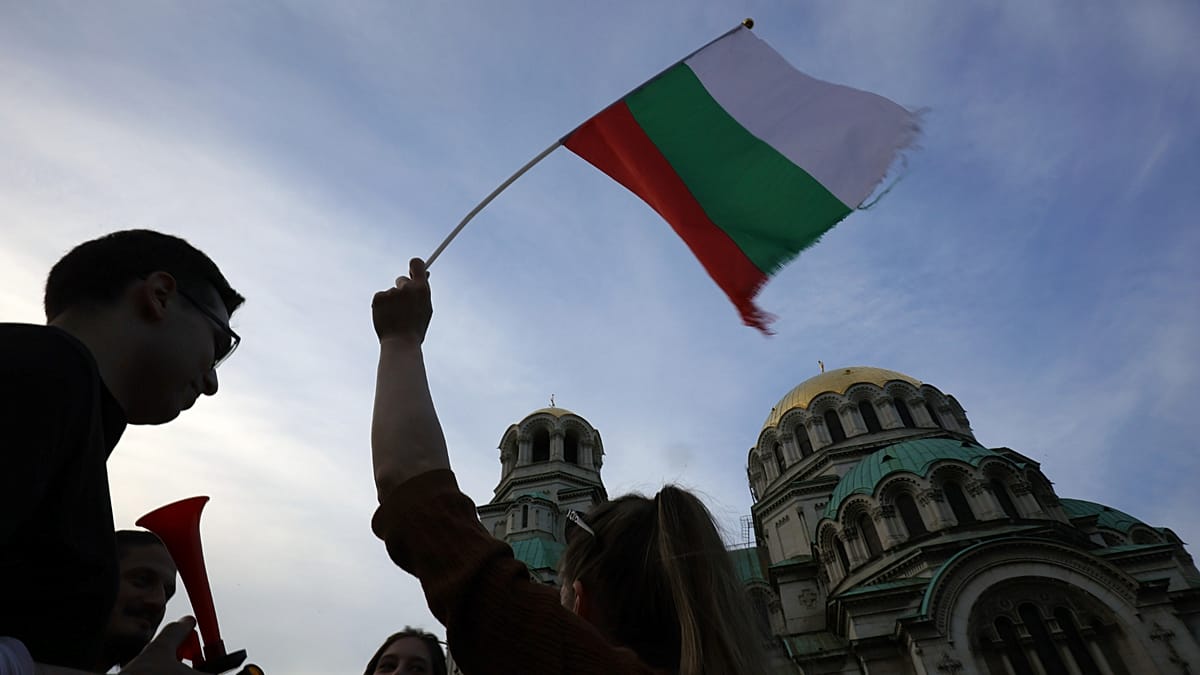
As Bulgaria heads toward snap parliamentary elections on 19 April—the country's eighth vote in five years—authorities in Sofia are scrambling to defend the democratic process against a sophisticated wave of disinformation. The government has formally requested assistance from the European External Action Service and activated the rapid alert system under the bloc's Digital Services Act (DSA), a mechanism designed to connect platforms, fact-checkers, and civil society to identify and restrict electoral interference.
The move comes amid stark warnings from researchers. The Sofia-based Center for the Study of Democracy (CSD) stated in March that Bulgaria possesses "one of the most permissive information environments for non-democratic malign manipulation in the EU" and one of the least prepared institutional responses, despite some progress.
A Perfect Storm of Vulnerability
According to CSD analyst Svetoslav Malinov, Bulgaria's situation is not typical. "It combines prolonged political instability, weak regulators, and low public trust with a really strong domestic network that spreads and amplifies this type of information," he told European Pulse. This confluence creates fertile ground for false narratives to take root and spread, even at an institutional level, a phenomenon that becomes acutely visible during election periods.
The political landscape is fragmented, with Moscow-friendly former president Rumen Radev, from the Progressive Bulgaria party, currently leading in polls ahead of former Prime Minister Boyko Borissov's conservative GERB party. This instability is being actively exploited.
Narratives Gaining Traction
Malinov identified several key narratives that have gained dangerous potency. "Claims about voting machine hacks and rigging have triggered emergency amendments to the electoral code," he said, highlighting how disinformation is directly shaping policy. Furthermore, narratives around energy and the euro have taken on "explosive new potency" since Bulgaria joined the eurozone in January 2024.
"Often the rationale is that because we're in the eurozone, the energy prices are even worse, and we're paying even more money," Malinov explained. This taps into broader European anxieties, as noted by the EU's energy chief who has warned of prolonged price hikes from global conflicts.
The pro-Russian extremist Vazrazhdane (Revival) party has been a principal actor in disseminating these claims. In February, its members attempted to storm the EU's mission headquarters in Sofia during a protest against eurozone accession—an act European Commission President Ursula von der Leyen labelled "outrageous."
The Pro-Kremlin Amplification Network
The CSD has tracked a network of Bulgarian websites at the centre of operations spreading pro-Kremlin content. A key outlet is Pogled Info, which systematically repurposes material from sanctioned Russian entities like Vzglyad and RIA Novosti, as well as Chinese state-controlled sources such as China Radio International.
"This type of infrastructure is like an amplification network," Malinov said. "You can trace an article published in an EU-sanctioned Russian outlet, which is then republished and stripped—the author's name is removed—and republished on Pogled." This laundering process gives Kremlin-aligned narratives a domestic, Bulgarian veneer, making them more palatable to local audiences.
The challenge underscores a wider European dilemma: balancing open information spaces with protective measures, a tension also seen in debates over social media bans and age verification tools.
Bulgaria's experience serves as a critical test case for the EU's evolving digital defence toolkit. The activation of the DSA's rapid response system represents a proactive, Brussels-backed effort to safeguard a national election. Its effectiveness in countering the blend of domestic political instability and foreign malign influence will be closely watched across the continent, particularly in other states facing similar hybrid threats. The outcome will offer crucial lessons for protecting democratic processes not just in Sofia, but in every European capital.