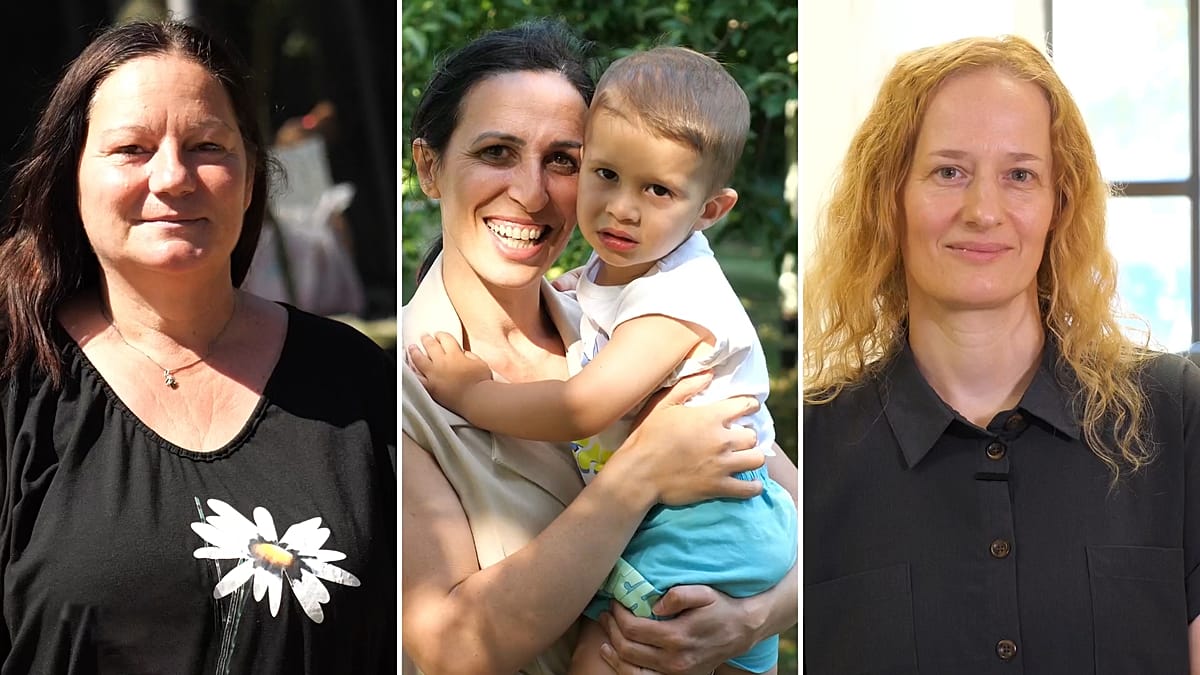
Single mother Kristina Ruzhdanova spent three months searching for reliable childcare before finding a solution through Bulgaria's Parents in Employment project. She signed a contract with childcarer Galina Ilieva, who now looks after her son full time while Ruzhdanova works as an accountant. The arrangement, backed by the European Social Fund Plus, is part of a broader effort to address two persistent labour market problems: a shortage of affordable childcare and high unemployment among certain groups.
Low early education enrolment in Bulgaria
Only 22% of Bulgarian children under three are enrolled in early education and care, compared with an EU average of 40%. This gap forces many parents—especially mothers—to reduce their working hours or leave the workforce entirely. The €33.5 million project, which receives €28 million from the European Social Fund Plus, offers eight hours of free daily childcare to eligible families. Vetted jobseekers are carefully matched with parents, ensuring that both sides benefit from the arrangement.
Since its launch in 2023, the scheme has found childcare solutions for 3,400 families and hired 3,500 carers. The initiative is part of the European Pillar of Social Rights, which was renewed on 22 July 2026. The pillar aims to promote fair and well-functioning labour markets across the EU, and Bulgaria's project is one of several national experiments testing how to reconcile work and family life.
The scheme also helps address the broader mismatch between available jobs and workers' skills that persists across Europe. By turning unemployed individuals into childcare providers, the project creates a new category of workers who can fill a clear demand, rather than leaving jobseekers to compete for positions that do not match their qualifications.
Bulgaria's approach is not unique. Several EU member states have introduced similar programmes, but the scale of Bulgaria's challenge is particularly acute. The country has one of the lowest rates of formal childcare for young children in the bloc, and its female labour force participation rate remains below the EU average. The Parents in Employment project is designed to tackle both issues simultaneously, offering a practical solution that other countries with comparable demographics might study.
Critics, however, note that the scheme relies on jobseekers who may lack formal childcare training. The project includes vetting and matching procedures, but long-term quality assurance remains a concern. Proponents argue that the programme's flexibility—allowing parents to choose a carer they trust—outweighs these risks, especially in a country where formal childcare options are scarce.
The project also has implications for transatlantic labour market trends. While the US has seen a recent hiring slowdown, the eurozone's unemployment rate remains at a record low. Bulgaria's scheme demonstrates how targeted social investment can help maintain low unemployment while addressing specific demographic bottlenecks. If successful, it could serve as a model for other European countries struggling with similar childcare gaps.
For now, the project's immediate impact is clear: families like Ruzhdanova's can work without worrying about childcare costs, and jobseekers like Ilieva gain stable employment. The European Commission will evaluate the programme's long-term effects as part of its broader assessment of the European Pillar of Social Rights. Whether the scheme can be scaled up to cover the remaining 78% of Bulgarian under-threes who lack formal care remains an open question.