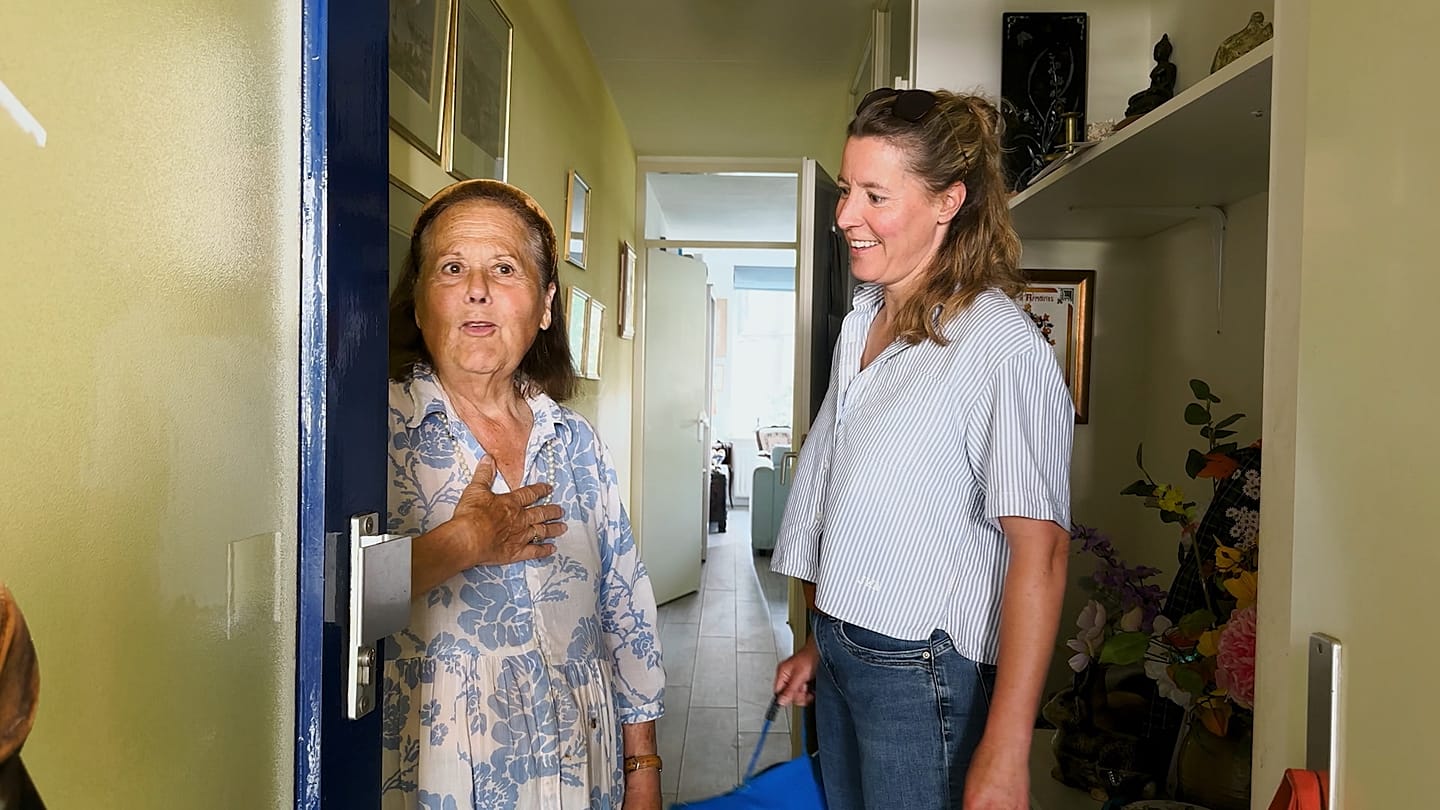
In the Netherlands, a quiet revolution in home care has been unfolding for nearly two decades, challenging conventional healthcare models and attracting attention from policymakers across Europe. Buurtzorg, which translates to "neighborhood care," was founded in 2006 by nurse Jos de Blok. Its core innovation is simple yet radical: small, self-managed teams of nurses provide comprehensive, holistic care to older adults and people with chronic conditions in their own homes, fostering independence and dignity.
Unlike traditional home care agencies that rely on hierarchical management and rigid task lists, Buurtzorg teams of ten to twelve nurses operate autonomously. They manage their own schedules, budgets, and patient caseloads, with minimal administrative overhead. This flat structure eliminates layers of middle management, allowing nurses to spend more time with patients and less on paperwork. The result is higher job satisfaction, lower turnover, and significantly better patient outcomes.
A Model That Prioritizes Human Connection
Buurtzorg's approach goes beyond medical tasks. Nurses are trained to assess not just a patient's physical health but also their social environment, mental well-being, and daily living needs. They coordinate with family members, general practitioners, and local social services to create a support network that helps people remain in their homes longer. This holistic perspective reduces hospital readmissions and delays the need for institutional care, which is both cost-effective and humane.
The model has proven remarkably efficient. Studies show that Buurtzorg's care costs about 30 to 40 percent less than traditional home care in the Netherlands, while achieving higher patient satisfaction scores. The Dutch government has taken notice, and the model has been replicated in several other European countries, including Sweden, Norway, and the United Kingdom. In Belgium, pilot projects have adapted the concept to local healthcare systems, with promising early results.
Buurtzorg's success also highlights a broader shift in European healthcare toward community-based, patient-centered models. As populations age across the continent, the pressure on healthcare systems to provide cost-effective, high-quality care intensifies. The EU Health Ministers' recent agreement on the Biotech Act Directive reflects a similar push to modernize rules and encourage innovation in health services.
Challenges and Scalability
Despite its success, Buurtzorg is not without challenges. Scaling the model beyond the Netherlands requires adapting to different regulatory environments, funding mechanisms, and cultural expectations. In some countries, resistance from established healthcare providers and unions has slowed adoption. Moreover, the model relies heavily on the skills and autonomy of nurses, which demands robust training and support systems.
Yet the evidence is compelling. A 2023 study published in the European Journal of Public Health found that Buurtzorg patients had lower rates of emergency department visits and hospitalizations compared to those receiving traditional home care. The study also noted improved mental health outcomes, a critical factor given the mental health crisis among Europe's rare disease patients and the broader population.
Buurtzorg's influence extends beyond home care. Its principles of self-management and holistic care have inspired innovations in other areas, such as mental health services and chronic disease management. The model demonstrates that empowering frontline healthcare workers can lead to better outcomes for patients and lower costs for society.
As Europe grapples with the dual challenges of aging populations and strained healthcare budgets, Buurtzorg offers a proven blueprint. It is a reminder that sometimes the most effective solutions are not high-tech or expensive, but rooted in human connection and professional autonomy. The Dutch neighborhood care revolution may well be a model for the future of healthcare across the continent.