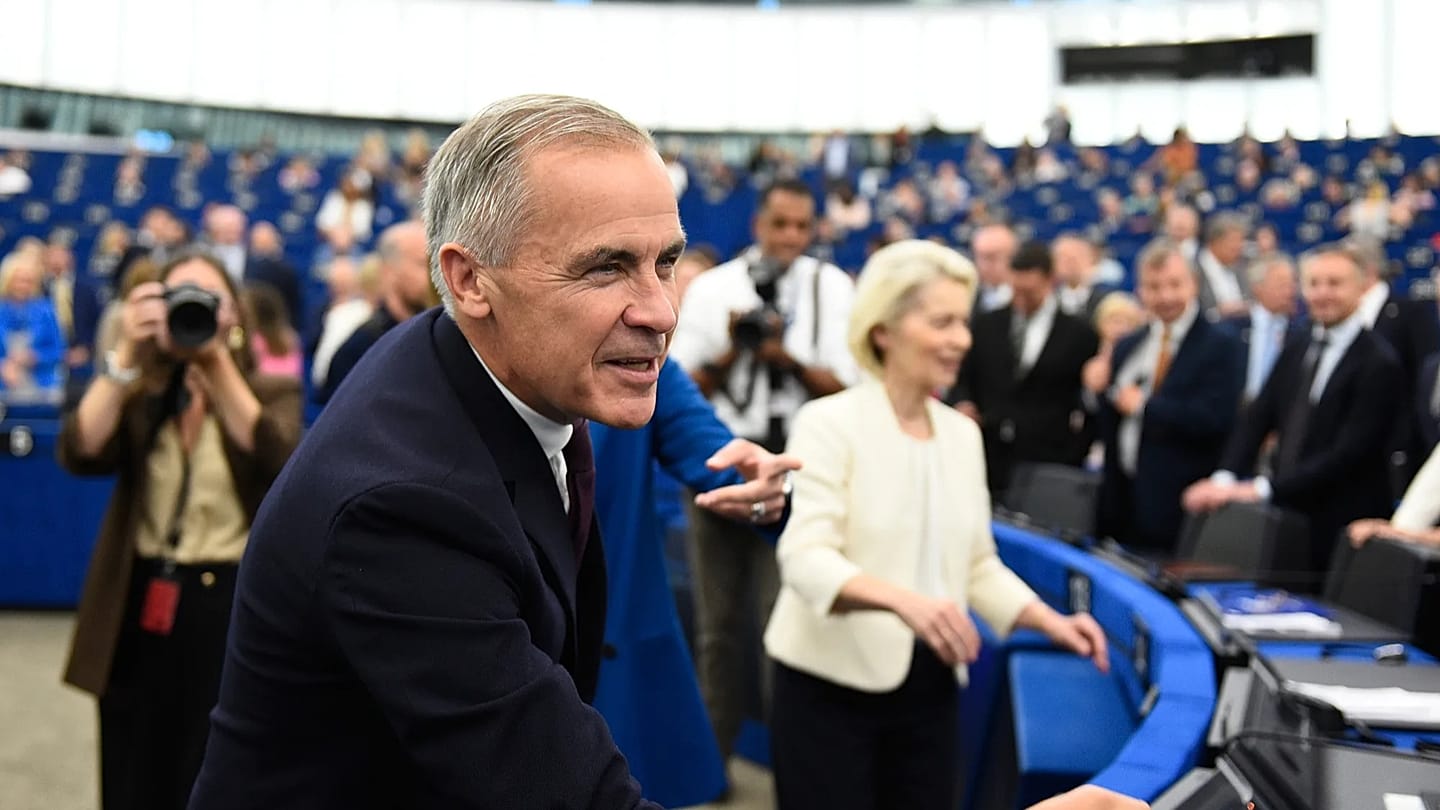
In a move that could reshape the European Union's external partnerships, European Commission President Ursula von der Leyen announced that Canada is set to become the bloc's first 'associate member'. The declaration came during her annual State of the Union address in Strasbourg, where she outlined a new framework for cooperation with Ottawa.
The associate membership status is an entirely new category, distinct from the existing models of EU membership, candidate status, or the European Economic Area. Von der Leyen did not provide a detailed roadmap, leaving diplomats and legal experts to speculate on the precise rights and obligations it would entail. The announcement signals a deepening of ties between Brussels and a like-minded partner at a time of global uncertainty.
A new alliance beyond trade
Alongside the associate membership, von der Leyen proposed a comprehensive alliance with Canada covering several strategic sectors. These include technology, critical raw materials, energy, and defence. The initiative reflects a broader European effort to secure supply chains and reduce dependencies on rival powers, particularly in the wake of recent geopolitical tensions.
The choice of Canada is no accident. Ottawa has long been one of the EU's most reliable partners, sharing democratic values and a commitment to multilateralism. The Comprehensive Economic and Trade Agreement (CETA), in force provisionally since 2017, has already eliminated most tariffs and fostered closer economic integration. The new status would build on that foundation, potentially granting Canada a more formal role in EU policy discussions.
Von der Leyen's proposal comes as the EU seeks to strengthen its global posture. In her speech, she also touched on other pressing issues, including climate change and artificial intelligence. The State of the Union address was widely seen as a defining moment for the bloc, with migration, defence, and Ukraine dominating the agenda.
The associate membership idea has been met with cautious optimism in Brussels. Some officials see it as a way to engage non-EU countries without offering full membership, which would require treaty changes and unanimous approval. Others question the legal basis and the potential for confusion with existing agreements, such as the European Economic Area or the Customs Union.
For Canada, the move aligns with its recent diplomatic push to diversify partnerships. Prime Minister Mark Carney has been reassuring the United States of Canada's partnership amid trade tensions, while also courting European allies. The EU's offer could provide Ottawa with a new platform to influence European policy, particularly in areas like technology regulation and defence procurement.
The details of the associate membership are still to be negotiated. Key questions include whether Canada would participate in EU decision-making, contribute to the EU budget, or have access to EU programmes such as Horizon Europe or the European Defence Fund. Legal experts note that the EU has no existing mechanism for associate membership, so the proposal would require innovative institutional arrangements.
Von der Leyen's announcement also comes against the backdrop of her broader agenda. She has recently urged the EU to slow frontier AI development, and her Strasbourg address placed climate, AI, and China at the centre of the EU's strategic priorities. The Canada alliance would complement these efforts, particularly in the realm of critical raw materials, where Canada holds significant reserves of lithium, cobalt, and rare earths.
The proposal has yet to be formally tabled to the European Council or the European Parliament. If approved, it would mark a significant evolution in the EU's external relations, setting a precedent for other like-minded countries such as Australia, Japan, or South Korea. For now, the concept remains a bold vision, with the details to be filled in over the coming months.
As the EU navigates a complex geopolitical landscape, the associate membership offer to Canada represents a pragmatic step towards building a network of trusted partners. Whether it will become a reality depends on the political will of both sides and the ability to craft a legal framework that satisfies all parties. For European Pulse readers, this is a story to watch closely.