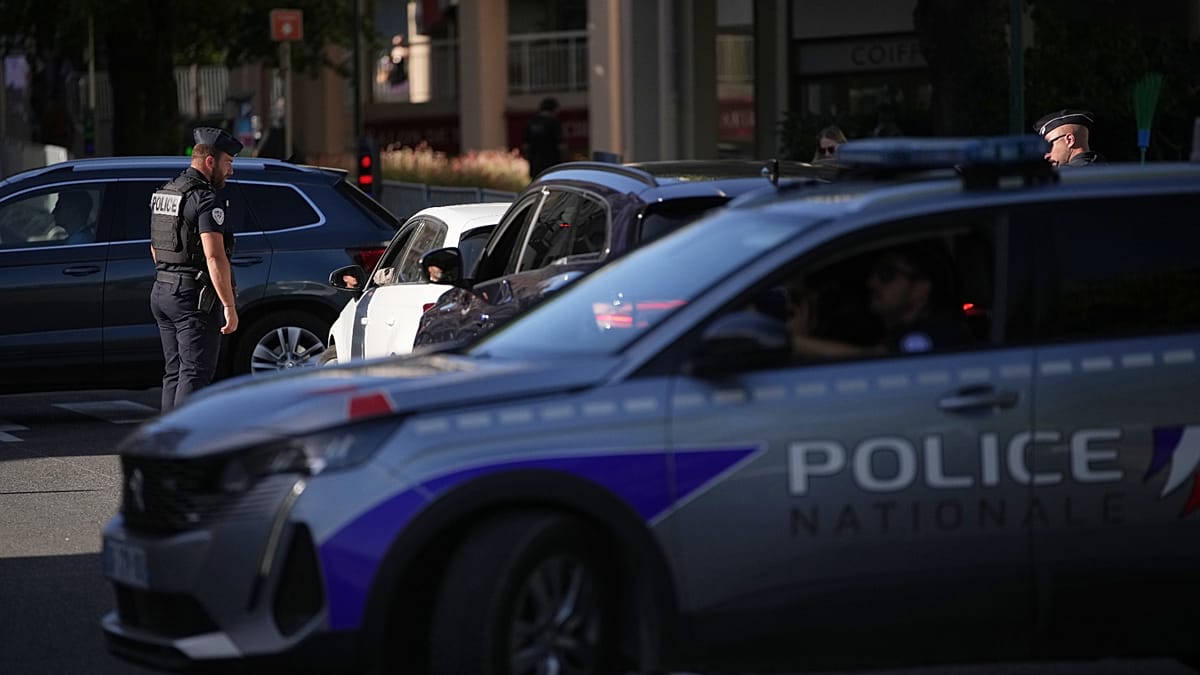
At around 10:15 pm on Monday, a car ploughed into a group of pedestrians waiting near a tram stop outside the Gare de Caen in Normandy, killing two people and injuring seven others. The prefect of Calvados, David Clavière, said the vehicle "deliberately drove into pedestrians in the street opposite the station."
The attack occurred after an altercation, according to the deputy public prosecutor, who said that "for the time being, we are not considering a terrorist motive, but the investigation is only just beginning." The suspect, a 26-year-old man born in Russia, was not known to intelligence services but had a police record for traffic offences, the prefect added.
Seven people are in critical condition, and three others sustained minor injuries, Clavière said. All victims are believed to be men aged between 17 and 40, most of them foreign nationals, according to Bruno Coutanceau, a senior security official in Caen.
The driver fled the scene and was arrested later in Ouistreham, a coastal town about 20 kilometres from Caen. The area around the station was sealed off, and an investigation has been opened for murder and aggravated intentional assault.
Local reaction and broader context
The mayor of Caen, Aristide Olivier, described the incident as an "absolute tragedy" on ICI Normandie radio, praising "the extremely rapid response of the emergency and security services tonight." The attack has shaken the city, which is not accustomed to such violence.
This incident comes amid heightened scrutiny of public safety in France, where authorities have repeatedly dealt with vehicle attacks and other security threats. While the motive remains unclear, the case echoes other deliberate rammings in Europe, such as the 2016 attack in Nice and the 2018 incident in Liège, though those were linked to terrorism.
The suspect's Russian origin adds a layer of complexity, though officials stress that no terrorist link has been established. The investigation will likely focus on the altercation that preceded the attack, as well as the suspect's mental state and any possible radicalisation.
France has been on alert for various security threats, and this incident will prompt renewed debate about public safety measures in transport hubs. The country's political discourse has often intertwined security with other policy areas, and this tragedy may influence local and national conversations.
Meanwhile, the victims' nationalities and identities have not yet been released, and consular services are likely to be involved. The injured are being treated in hospitals in Caen and nearby towns.
As the investigation unfolds, the people of Caen are left to grapple with the shock of a sudden, violent act in their midst. The city's mayor has called for calm and solidarity, urging residents to cooperate with authorities.
This attack is a stark reminder of the vulnerabilities that exist in public spaces across Europe, even in mid-sized cities like Caen. It also highlights the importance of rapid emergency response, which officials say helped limit the toll.
Further details are expected as the judicial inquiry progresses, and authorities have appealed for witnesses to come forward.