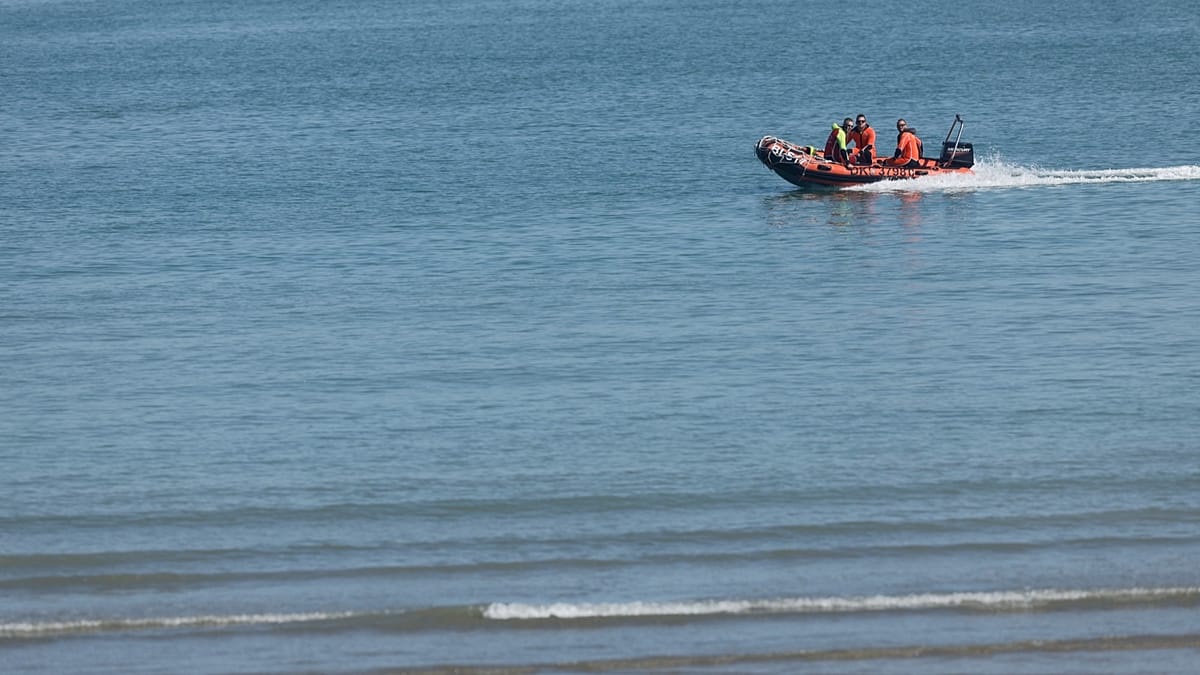
A large-scale rescue operation unfolded on Tuesday after an inflatable boat carrying more than 170 people caught fire in the English Channel, prompting a coordinated response from French and British authorities. The vessel, which had departed from the Normandy village of Veules-les-Roses around 6 am, was still in French waters when its engine ignited, causing the craft to break apart and forcing occupants into the sea.
The maritime prefecture for the Channel and the North Sea said the boat was under surveillance from the moment it set off. French rescue services dispatched two vessels, a navy helicopter, and medical teams, while the Royal National Lifeboat Institution (RNLI) and the UK Border Force also joined the effort. All 157 people were brought ashore at the port of Boulogne-sur-Mer, where they received medical care and assistance. No deaths were reported.
Rescue challenges and rising risks
French maritime authorities noted that migrants in makeshift, overloaded boats often refuse rescue unless they face immediate danger. Rescuers avoid forcing people off the vessels because of the risk of capsizing, which could prove fatal. The average number of passengers per boat has climbed from 26 in 2021 to 65 this year, and recent weeks have seen larger vessels—around 12 metres long—compared with the usual eight to ten metres.
Last week, four people died in two separate crossing attempts, and at least 14 have lost their lives this year, according to an AFP tally based on official sources. The previous year saw at least 29 fatalities.
The incident underscores the persistent dangers of irregular migration across one of the world's busiest shipping lanes. While the UK and France have intensified cooperation, the humanitarian toll remains high.
Sharp decline in crossings
UK Prime Minister Andy Burnham said the government is showing "unwavering determination" to address the issue, noting that "progress is being made, but we are not letting our guard down." He highlighted a 50% reduction in crossings compared with the same period in 2025, with July recording the lowest monthly number in six years.
French Interior Minister Laurent Nuñez reported that around 10,000 migrants have crossed from France to Britain since January, down from 24,000 in the same period last year. Successful crossing attempts have fallen to 160, compared with 413 previously.
The decline follows a multi-million-euro agreement between London and Paris, which includes reinforced police patrols and surveillance along France's northern coast. New technologies are being deployed to target "taxi boats"—small inflatable craft used by smugglers to ferry migrants from the shore.
Burnham stressed that the issue should not become a partisan battleground, saying, "We must address this problem rather than turn it into a matter of party politics." He added that he wants to "take back control of the situation" and implement changes that reassure the public.
The Channel crossings have become a prominent political issue across Europe, with far-right parties in several countries capitalising on public concern. In the UK, Nigel Farage's Reform UK has seen support rise, partly due to its tough stance on immigration. The party has even pledged naval patrols to halt the crossings, a proposal that has drawn both criticism and support.
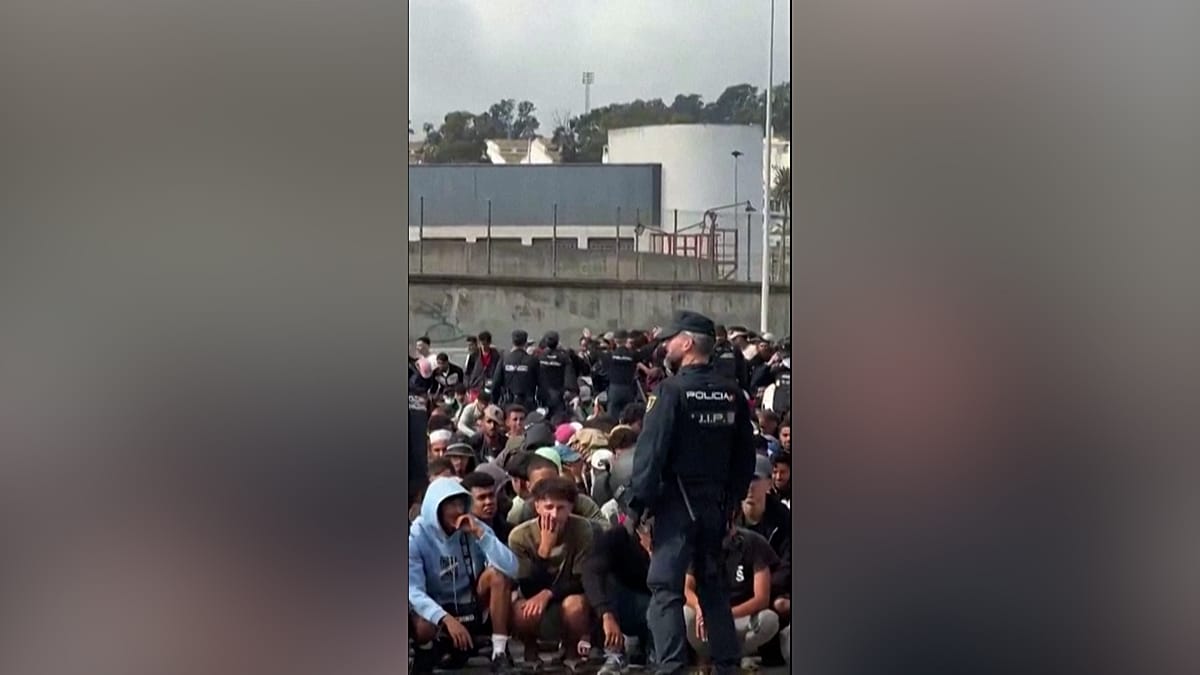
Meanwhile, other European nations face similar challenges. Spain, for instance, has dealt with surges at its Ceuta enclave, where the EU has backed Spain's response as ministers seek a common approach. Smuggling networks are also shifting migrants from Ceuta to Spain by sea, reflecting the broader regional dynamics.
As European governments grapple with irregular migration, the Channel remains a focal point. The latest rescue, while successful, serves as a stark reminder of the perils faced by those seeking to reach the UK. Authorities on both sides of the Channel continue to monitor the situation closely, balancing enforcement with humanitarian obligations.