Genetic analysis of mummified remains from northern Chile has yielded the oldest smallpox virus genome ever recovered from the Americas, providing direct molecular proof that European colonisation introduced the disease to the New World.
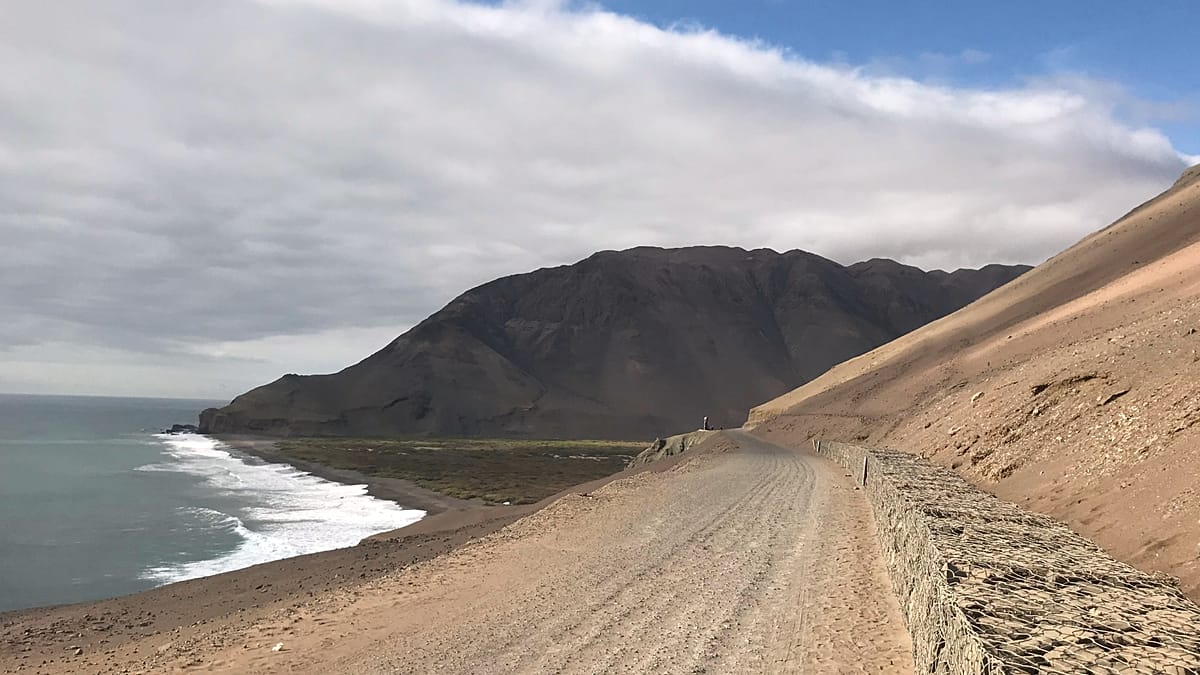
The study, published in Science, examined bone fragments from 13 individuals buried at an archaeological site near Camarones, a coastal valley in the Atacama Desert. In two of them—an adult man and woman aged 18 to 35—researchers identified traces of Variola, the virus that causes smallpox. Radiocarbon dating and viral DNA analysis placed their deaths between 1492 and 1631, a period that brackets the first waves of European contact.
Smallpox was one of humanity's most lethal afflictions before its global eradication in 1980. It killed roughly one in three of those infected and left survivors with permanent scars. In the Americas, the first recorded outbreak occurred in 1518 in the Spanish Caribbean, after which the disease swept through Indigenous populations who had no immunity, killing millions and reshaping the continent's demographic and political landscape.
The new findings offer the strongest genetic link yet between American smallpox strains and those circulating in Europe at the time. By comparing the recovered genome with known variants, the team found it fell neatly between medieval European strains and later 17th-century forms—strong evidence that the virus descended from European lineages.
“Nobody would ever question that smallpox came to this hemisphere from colonisation, but this proves it,” said Patricia Foster, a biologist at Indiana University who was not involved in the study.
A remote corner of the empire
The Camarones site lies far from the main colonial hubs of the Andes, and no historical records mention smallpox there. That raises intriguing questions about how the virus reached such a remote area. The authors suggest it may have travelled along pre-Columbian Indigenous trade networks that connected the Pacific coast with highland communities—routes that existed long before Europeans arrived.
Exactly which human population carried the virus across the Atlantic remains unclear. Spanish and Portuguese colonisers arrived in successive waves after Christopher Columbus's 1492 landing in the Caribbean and Amerigo Vespucci's voyages along the South American coast a decade later. The transatlantic slave trade, which brought enslaved Africans to the Americas from the early 16th century, could also have played a role.
The study also sheds light on how the virus evolved. By comparing the ancient genome with later strains, scientists identified genes that had been lost or inactivated over time—changes that may reflect adaptation to human hosts. Such evolutionary insights could inform modern understanding of viral emergence, even though smallpox itself is extinct.
For co-author Constanza de la Fuente Castro, a biological anthropologist at the University of Chile, the discovery underscores the scale of the catastrophe. “It wasn't just cultural or demographic. It's literally written into biological evidence that we can still recover and read today,” she said.
The findings add to a growing body of ancient DNA research that is rewriting the history of infectious disease. Similar techniques have been used to trace the origins of plague, tuberculosis, and other pathogens. In Europe, projects like the deciphering of the Herculaneum scrolls show how ancient materials can yield unexpected insights, though the Chilean mummies offer a more sombre lesson about the costs of contact.
As scientists continue to recover genetic material from the past, the story of smallpox in the Americas becomes clearer: a virus that evolved in the Old World, crossed the ocean with colonisers, and then devastated populations that had never encountered it. The mummies of Camarones are a silent testament to that history—one that, as de la Fuente Castro notes, is now readable in the very bones of its victims.