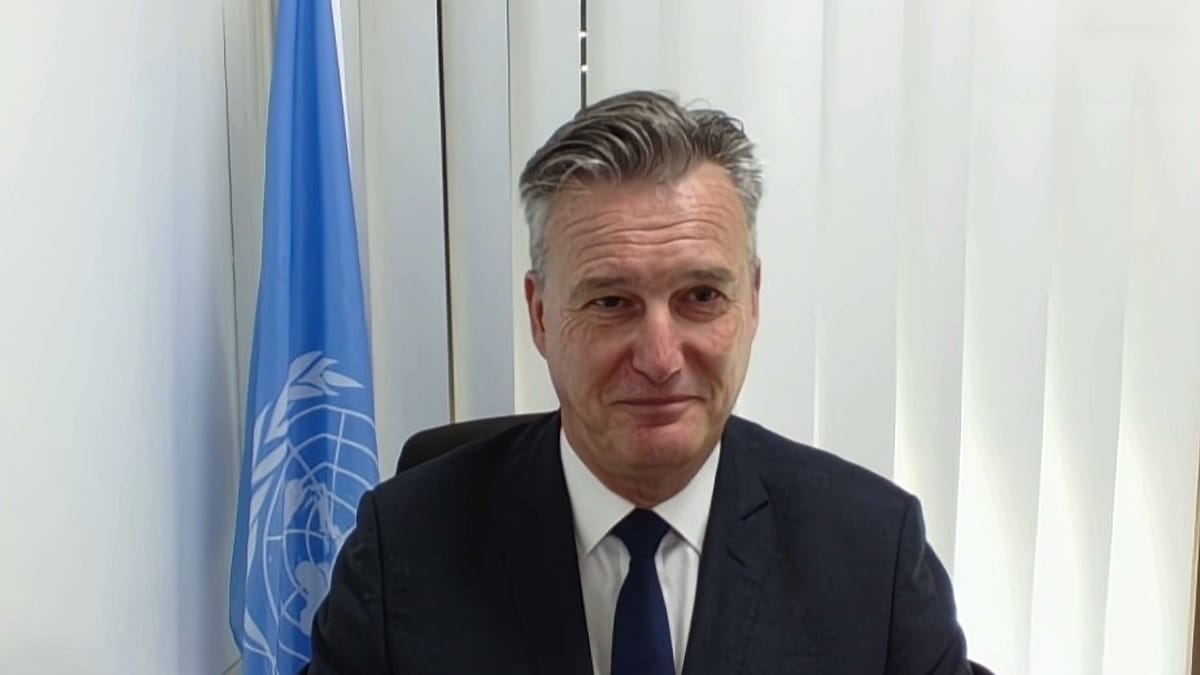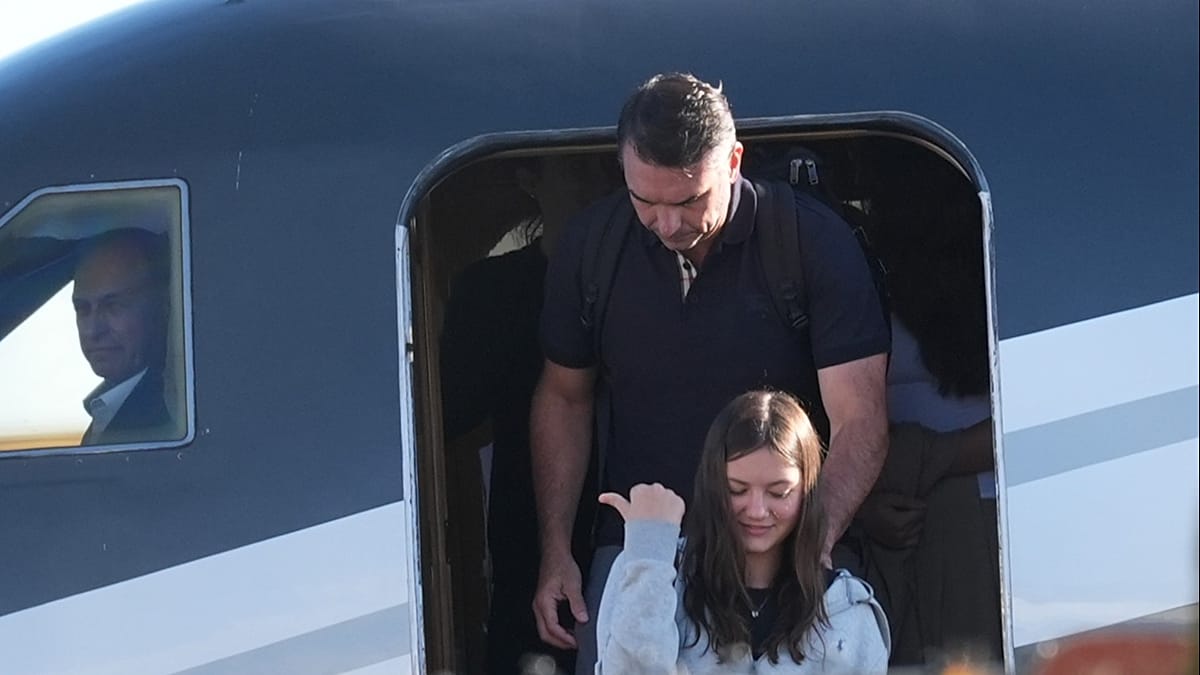
Flávio Bolsonaro, the defeated right-wing candidate in Brazil's presidential election, has arrived in the United States and immediately declared himself the country's rightful leader, vowing to lead the opposition from exile. His defiant statement, posted on his X account upon landing in Florida, underscores the deep political rift that continues to unsettle Brazil after Sunday's runoff vote, which saw leftist Luiz Inácio Lula da Silva reclaim the presidency.
In a message that mixed defiance with unsubstantiated accusations, Bolsonaro claimed, "I am the elected president, and the criminals who stole Brazil's election are part of a criminal organization that has established a tyranny." He went on to denounce "electoral fraud," though no evidence of such fraud has been presented. In a subsequent post, he softened his language, referring to himself as the "leader" rather than the "president," but the core message remained unchanged: he does not recognize Lula's victory.
A controversial arrival in Florida
Bolsonaro touched down at Opa-Locka Executive Airport near Miami in a private jet, accompanied by his wife and daughters. The details of his journey remain murky, but reports suggest he traveled via Argentina and Ecuador, bypassing Brazil's order to surrender his passports. He is under investigation in Brazil for alleged corruption and money laundering, and his parliamentary immunity is set to expire, making his departure a calculated move to avoid legal scrutiny at home.
The former president's son has found a receptive audience in the Trump administration, which has maintained close ties with the Bolsonaro family. President Donald Trump, who has repeatedly questioned the integrity of Brazil's election without providing evidence, reiterated his skepticism but stopped short of endorsing Bolsonaro's claim to the presidency. "I won't get involved," Trump told reporters, though his administration's questioning of the vote's legitimacy has already fueled doubts among Bolsonaro's supporters.
Bolsonaro's arrival in the US comes just days after the State Department granted him a visa, a decision that has raised eyebrows given his pending legal troubles in Brazil. The move has also drawn criticism from European observers, who see it as another example of Washington's willingness to harbor political figures accused of undermining democratic processes.
European perspective on Brazil's democratic test
For Europe, the situation in Brazil is more than a distant political drama. Brazil is a key partner for the European Union on trade, climate, and multilateral issues, and the return of Lula—who has pledged to protect the Amazon and re-engage with global institutions—has been welcomed in Brussels and many European capitals. The EU has a vested interest in a stable, democratic Brazil, and the ongoing efforts by Bolsonaro and his allies to delegitimize the election are being watched with concern.
European leaders have largely congratulated Lula on his victory, with Ursula von der Leyen, President of the European Commission, expressing hope for a renewed partnership. The contrast with Washington's stance is stark: while the Trump administration has cast doubt on the election, European institutions have reaffirmed their confidence in Brazil's democratic institutions.
Bolsonaro's self-imposed exile in the US may provide him a platform, but it also isolates him from the political realities in Brazil. His father, Jair Bolsonaro, remains under house arrest for his role in attempting to overturn the 2022 election, a reminder of the consequences of challenging democratic outcomes. Flávio's claims of electoral fraud echo his father's tactics, but without evidence, they are unlikely to gain traction beyond his loyal base.
As Brazil's new government settles in, the international community—including Europe—will be watching to see whether Lula can unite a deeply divided nation. The end of the conservative wave in Latin America has been a central theme of this election, and Lula's victory has been seen as a reprieve for progressive forces across the region. For now, Bolsonaro's rhetoric from Florida is a reminder that the battle for Brazil's political future is far from over.
Meanwhile, Brazilian police are investigating the circumstances of Bolsonaro's escape, including the role of intermediaries in Argentina and Ecuador. The case has drawn parallels to other political exiles in the region, such as Venezuela's María Corina Machado, who recently returned from exile to seek dialogue. Whether Bolsonaro will follow a similar path remains uncertain, but his immediate focus is on rallying opposition from abroad.
For Europe, the episode serves as a reminder of the fragility of democratic norms, even in established democracies. The EU's commitment to supporting democratic institutions worldwide is likely to be tested as it navigates its relationship with a Brazil that is both a partner and a potential source of instability.