Europe could slash electricity system costs by as much as 40 per cent over the next decade if solar generation and battery storage are rolled out in a coordinated way, according to a new analysis presented at the UN climate summit in Istanbul.
The report, from the Schneider Electric Research Institute (SERI), modelled 40,500 combinations of solar, battery and grid costs to assess whether the rapid growth of distributed energy resources (DERs) – rooftop panels, home batteries, electric vehicles and smart appliances – will ultimately push power prices up or down.
The conclusion is clear: when deployment is aligned with electrification, the overall cost of running the electricity system could fall by up to 40 per cent by the 2030s. That would translate into an extra 0.8 per cent of GDP for the global economy, the researchers estimate.
But the margin for error is narrow. If battery durations are mismatched across different asset types, total system costs could climb to 35 per cent above today's benchmark. The warning comes as Europe's solar boom faces its first dark, windless test of the season, highlighting the urgency of storage.
Solar's savings and the storage gap
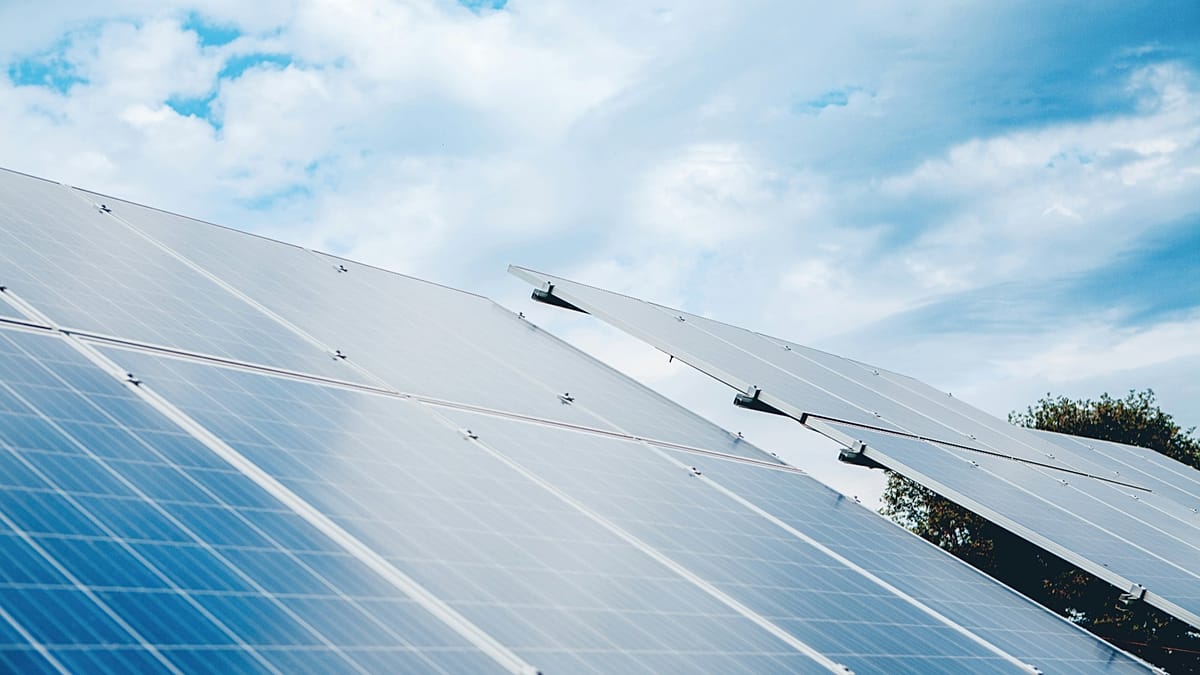
Solar has already delivered substantial savings for the EU. According to the Solar Power Europe association, sunlight-based generation has avoided €43.7 billion in gas imports since the beginning of the US-led conflict with Iran in 2026. Yet the rapid expansion of solar has exposed a critical weakness: when generation outstrips demand, clean power is wasted unless it can be stored.
Battery storage is the missing piece. The SERI report identifies battery deployment as one of the most significant variables affecting total system costs, because it relieves pressure during peak demand periods and allows surplus solar to be used later.
Laurent Bataille, SERI's executive vice president for Europe, put it succinctly: “Solar is the fuel, the battery is the power plant. Ultimately, batteries are making solar much more interesting. But the whole system only becomes cheaper if these work in harmony with one another. That also means building the electricity demand to use them, not just focusing on adding supply.”
That demand-side focus is central to the electrification debate at COP31. Türkiye, co-host of the summit, has pledged to raise the global share of energy demand met by electricity to 35 per cent by 2035, up from around 23 per cent today. A study published on 12 November found that an electrified world would waste 61 per cent less energy while delivering the same services, largely because fossil fuel combustion loses much of its energy as waste heat.
But critics warn that the pledge, as currently worded, could allow governments to count expanded gas-fired generation as progress towards electrification targets – a move they say would “seriously undermine climate goals”. The final text must specify that the electricity must come from clean sources, they argue.
For Europe, the path forward is clear. Coordinated investment in batteries and grid infrastructure, alongside policies that encourage electrification of transport, heating and industry, could unlock the full potential of solar. The alternative – uncoordinated growth – risks higher costs and wasted energy.
As the continent navigates its energy transition, the lesson from SERI is that technology alone is not enough. The pieces must fit together.