The latest round of UN talks on desertification drew to a close in Ulaanbaatar with a pledge of $1.3 billion for 23 projects spanning five continents. The summit, formally the 17th session of the Conference of the Parties to the UN Convention to Combat Desertification (UNCCD), brought together representatives from 197 signatory countries, international financial institutions, and, for the first time, a coalition of city mayors demanding a seat at the table.
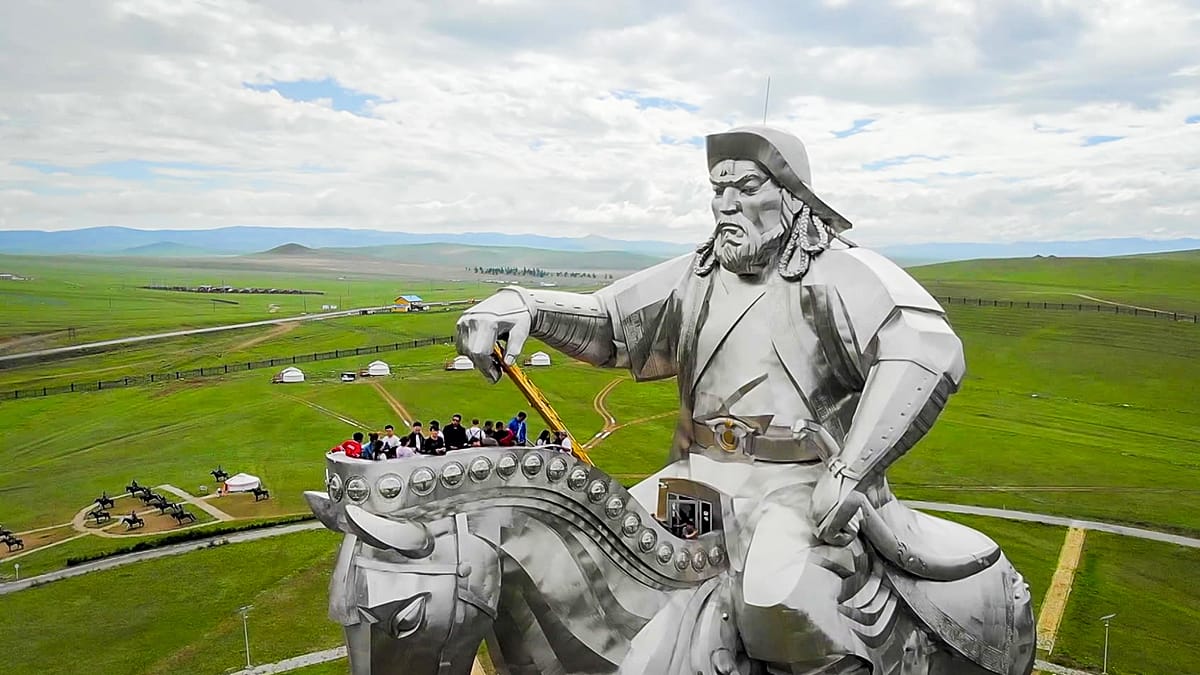
Host nation Mongolia is among the hardest hit by land degradation: 77% of its territory is already affected, and the Gobi Desert continues to expand. The choice of venue was deliberate, according to organisers, who urged delegations to move beyond rhetoric and commit to concrete financing for restoration programmes.
From pledges to projects
The $1.3 billion package, negotiated during the conference with input from the World Bank Group and regional development banks in Asia and Africa, will fund projects aimed at reversing desertification, restoring soil health, and supporting sustainable land management. While the sum is modest compared to global climate finance flows, it marks a step toward the kind of catalytic funding that experts say is needed to tackle a crisis affecting 40% of the planet's land and 3.2 billion people.
One of the most significant outcomes was the creation of the world's first global catalytic financing platform dedicated to drought resilience. The initiative aims to mobilise up to $400 million to shift countries from reactive emergency responses to proactive preparedness. This is particularly relevant for southern Europe, where prolonged dry spells have become more frequent, and for the Sahel, where desertification fuels migration and conflict.
Another notable development was the first formal meeting of mayors within the UNCCD framework. City leaders from across the globe, including several from European municipalities, called for greater involvement in implementing land restoration solutions. They argued that urban areas, often overlooked in desertification talks, are both victims and drivers of land degradation through supply chains and water consumption.
The conference also highlighted the link between land health and broader geopolitical stability. As Kazakh President Kassym-Jomart Tokayev recently urged at the Shanghai Cooperation Organisation, turning pledges into concrete projects is a challenge that extends beyond environmental policy. In Europe, the issue resonates with ongoing debates about the EU's financial commitments to resilience in the face of multiple crises.
For European observers, the summit's outcomes carry particular weight. The EU has its own ambitious soil strategy, and several member states, including Spain, Italy, and Greece, face severe desertification risks. The new drought resilience platform could complement existing EU mechanisms, such as the Common Agricultural Policy's eco-schemes, by providing additional funding for nature-based solutions.
However, some delegates expressed caution about the pace of implementation. "We have the tools and the science," said one European negotiator, speaking on condition of anonymity. "What we lack is the political will to scale up financing and enforce commitments. The $1.3 billion is a start, but it is a fraction of what is needed."
The summit's final declaration called on governments to integrate land restoration into national climate plans ahead of the next UN climate conference. It also urged private sector engagement, noting that every dollar invested in land restoration can yield up to $30 in ecosystem services.
As the delegates left Ulaanbaatar, the focus now shifts to implementation. The mayors' initiative, the new financing platform, and the project pipeline will be tested in the coming years. For Mongolia, the host, the summit was an opportunity to showcase its own struggles and successes in combating desertification, including community-based reforestation efforts and sustainable grazing practices.
The next COP session is expected to take place in 2026, with a review of progress on the pledges made here. Until then, the onus is on governments, financial institutions, and local communities to turn the paper commitments into visible change on the ground.