As COP31 draws to a close in Antalya, the familiar fault lines of UN climate diplomacy are once again in the spotlight. Oil and gas producers, including Saudi Arabia, have pushed back against stronger language on phasing out fossil fuels. At the same time, a coalition of more than 130 developing countries is pressing wealthy nations to cut emissions faster and to provide climate finance as grants rather than loans, to avoid burdening poorer states with debt.
Yet beneath the political wrangling, the summit has produced a steady stream of concrete initiatives, funding pledges and new alliances. From protecting Pacific island nations to restoring degraded peatlands and tackling global food waste, here are 23 reasons for cautious optimism.
Food, agriculture and health
23. Cutting food waste – The IKEA Foundation announced a €40 million, four-year programme to scale up proven solutions such as improved cold storage, converting food waste into organic fertiliser or animal feed, and redistributing surplus food. The aim is to reduce food loss across supply chains and keep edible food out of landfills.
22. Tackling food and water insecurity – The UN Food and Agriculture Organization launched the Turquoise Nexus Initiative to help countries facing water shortages and food insecurity improve irrigation, prepare for droughts and develop more water-efficient crops.
21. Funding climate and health research – The European Commission, the UK’s Wellcome Trust and public funders from five continents created the first global alliance dedicated to research on climate change and human health.
20. Protecting conflict-affected communities – Germany’s International Climate Initiative announced grants of €7–15 million per project to address the links between climate change and conflict, such as competition over dwindling water supplies and agricultural land.
Clean energy and technology
19. Clean energy in Africa – Italy and the UN Development Programme will commit €10 million to support clean energy projects in Africa, potentially including biogas in Kenyan schools and digital electricity networks in Uganda.
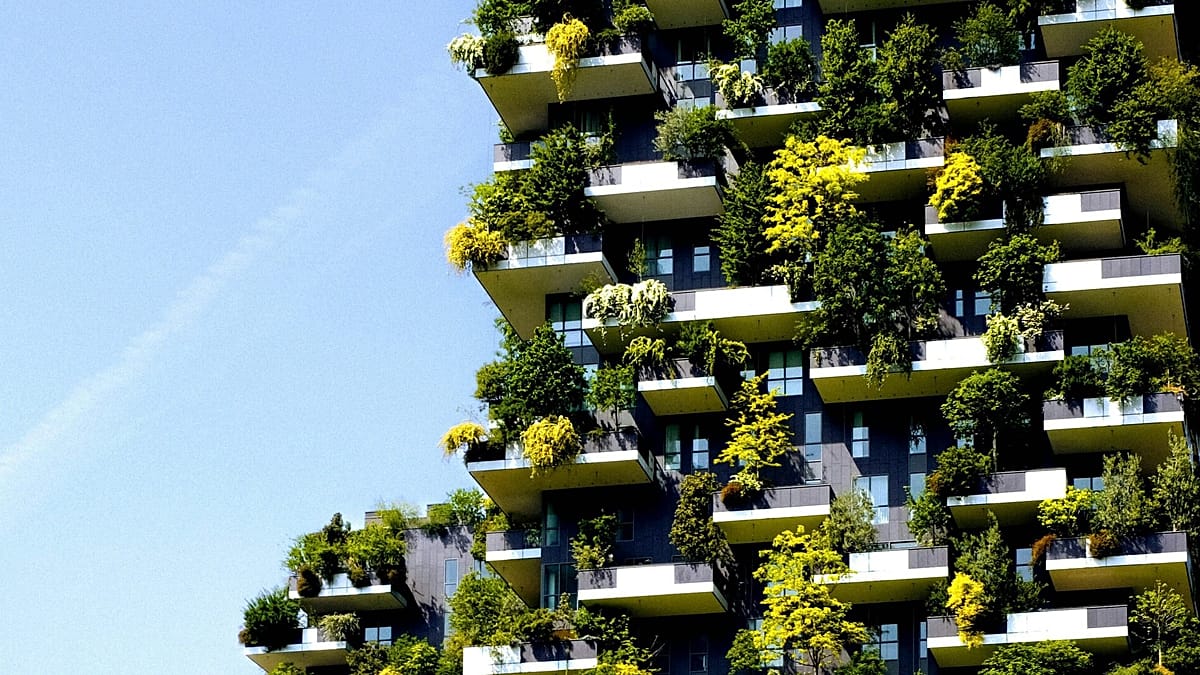
18. Sustainable buildings recognised – Through the International Sustainable Buildings Competition, COP31 and the UN Environment Programme honoured nine projects with measurable emissions cuts, including a Bangladeshi garment factory that reduced operational emissions by 78% and an Irish university building that cut energy consumption by 40.5%.
17. Energy-efficient cooling – Italy, Switzerland and several charitable organisations pledged more than €15 million to improve access to energy-efficient cooling and protect communities in Southeast Asia, South Asia and the Horn of Africa from extreme heat.
16. Combating climate misinformation – A UN-backed initiative released recommendations for tackling AI-generated climate misinformation and a charter to prevent advertisers from funding climate disinformation. This follows a recent UNESCO report warning that AI chatbots often bend climate facts under pressure.
Climate finance and adaptation
15. Funds for environmental protection – Belgium, Denmark, Germany and South Korea pledged more than €180 million to Global Environment Facility funds supporting environmental protection and climate adaptation.
14. Protecting Pacific island nations – The Asian Development Bank spearheaded a programme aiming to raise about €1 billion to protect 14 Pacific island countries from rising seas and extreme weather.
13. Early warning systems – Canada announced up to €6.5 million for the Climate Risk and Early Warning Systems initiative, which helps vulnerable countries prepare for extreme weather.
12. Cleaning up the Mediterranean – An EU-funded programme called Interreg NEXT MED officially launched 49 projects worth more than €120 million in 15 Mediterranean countries – including Italy, Spain, Egypt and Lebanon – addressing water management, biodiversity, clean energy and waste reduction.
Oceans, nature and biodiversity
11. Ghana’s emissions cuts recognised – Ghana received 6.57 million carbon credits for reducing emissions from deforestation and forest degradation, expected to be worth about €40 million. Issued under the Architecture for REDD+ Transactions (ART) and its TREES standard, Ghana is the first African country to receive these credits.
10. Hope for degraded peatlands – A new initiative called the Peatland Breakthrough aims to restore 30 million hectares of degraded peatlands and raise about €90 billion for conservation and climate action.
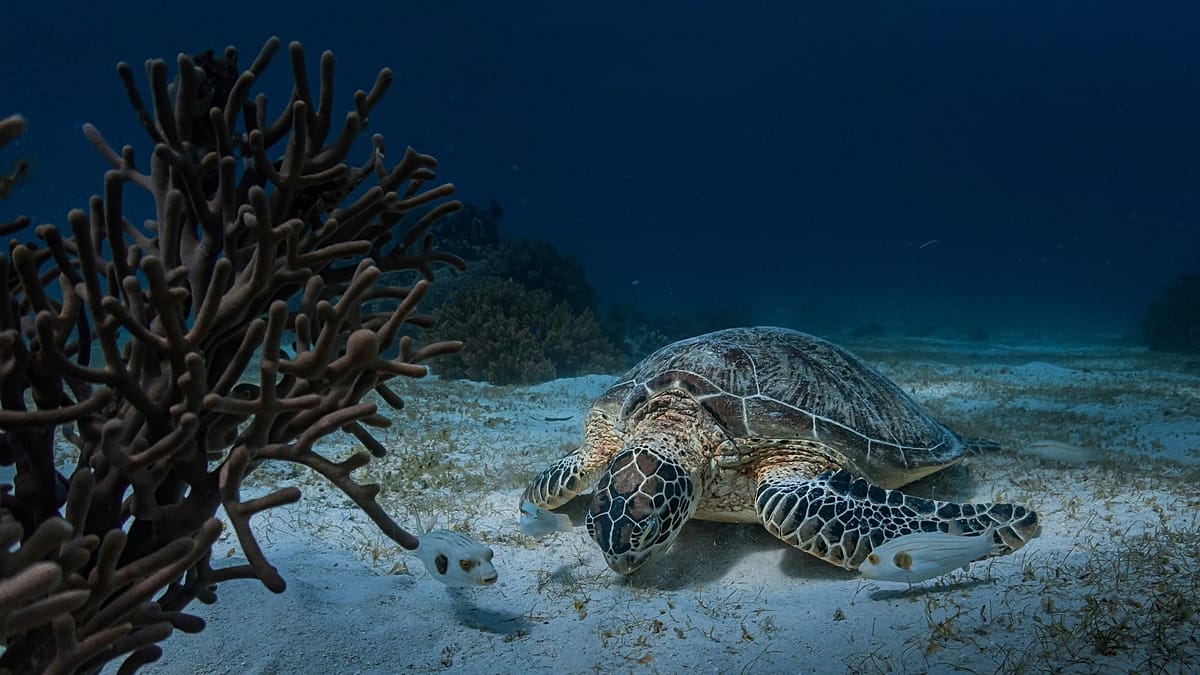
9. Reef conservation fund – The UN-backed Global Fund for Coral Reefs announced more than €27 million for reef conservation projects in 22 developing countries, including Mexico, Belize, Guatemala, Honduras, Indonesia, the Philippines and Tanzania.
8. Green initiatives at sea – A coalition of 27 countries launched the Blue NDC Implementation Taskforce to help secure funding and technical support for projects such as cleaner shipping, offshore renewable energy and marine conservation. The EU also joined the Blue NDC Challenge, an initiative led by France and Brazil to help countries put ocean commitments in their climate plans into practice.
7. Millions for coastal protection – (Details of this item were not provided in the original excerpt, but the summit saw several pledges for coastal resilience, including support for mangrove restoration and sea-wall construction in vulnerable regions.)
6. Funding for local environmental initiatives – Germany opened a new funding round offering grants of €60,000–€200,000 for local organisations in developing nations working to cut emissions, protect biodiversity and help communities adapt to climate change.
5. Support for small-scale fishers – The European Commission and partner organisations announced new support for small-scale fishers in developing countries, helping them adapt to changing ocean conditions and secure sustainable livelihoods.
These initiatives, while modest in the face of the global challenge, show that progress is possible even when headlines focus on discord. As the summit concludes, the real test will be whether these pledges translate into action on the ground. For a deeper look at the political dynamics, see our analysis of the final stretch and the scrutiny over climate finance. The atmosphere in Antalya has been a mix of adrenaline and alliance-building, and the coming months will show whether these seeds of hope take root.